
Blog
When Your Plymouth Garage Door Predates the Insulation Code
Plymouth homes built 1957-2007 often carry garage doors from before insulation codes tightened, which matters for cold-weather repair and replacement.
How Local Conditions Play In
Plymouth sits in a severe cold climate band, and that matters more for a garage door than for almost anything else on the house. A single-layer steel door with no foam core doesn't just let heat out - it lets the cold radiate straight through the panel, which is why an attached garage here can sit 15 to 20 degrees colder than the house on a hard January week. That's fine if the garage is just for the car. It's a problem if the laundry, a workshop, or a finished room sits on the other side of that wall.
Most of the housing stock across this area went up between 1957 and 2007, with the median build year landing around 1982, and the bulk of the 58 named neighborhoods here carry stock from the 1980s and 90s specifically. That's the exact window before insulated doors became a standard builder spec rather than an upgrade. If your house falls in that range, there's a decent chance the door currently on the opening is either original or a like-for-like replacement that copied the same uninsulated panel.
We don't guess at your door's R-value from the street. But if the house was built in that window and nobody's swapped the door since, cold is doing real work on your energy bill and on the hardware - cold steel flexes more, and cold grease on rollers and hinges thickens up and fights the opener.
The Situation
Here's the pattern we see on these older openings: a single-layer door, often with a torsion spring sized for a lighter panel than what's actually hanging, hardware that hasn't been lubricated since the house changed hands, and weatherstripping that's cracked or missing entirely. None of that shows up as an emergency until a cold morning when the spring that's been working harder than it should snaps, or the opener strains against a door gone stiff with cold and the gears inside finally give out.
With 151,285 owner-occupied houses across this service area, a lot of them are carrying the same builder-grade door from the same two decades, which means the same failure points show up again and again - not because the door is old in general, but because it's old in this specific, insulation-rule-predating way.
The fix isn't always a full replacement. Sometimes it's weatherstripping and a spring correctly sized for the panel weight. Sometimes the door itself is too far gone - warped, rusted at the bottom panel, or simply built with no insulation layer to add - and patching it just delays the real cost. We'll tell you which one you're looking at rather than defaulting to the bigger job.
Doing Nothing For Now
If the door still opens and closes and the spring hasn't failed, you can wait. That's the honest answer. A door that's uninsulated but mechanically sound isn't dangerous, it's just inefficient, and inefficiency doesn't need a same-week fix.
What doesn't wait well is a spring already showing wear - frayed cable strands, visible gaps in the coil, or a door that's gotten noticeably heavier to lift by hand. On a cold morning, a spring at the end of its life is more likely to go, and a door built before insulation rules is already carrying extra stress from cold-stiffened hardware. Putting off a spring replacement on one of these older doors is a different bet than putting off a cosmetic upgrade.
One limitation worth saying plainly: we don't manufacture insulated replacement panels on-site, so if your exact door profile is discontinued, a full door swap sometimes beats trying to source a matching insulated panel. We'll tell you if that's where you've landed instead of chasing parts that don't exist anymore.
What You Pay
We don't have a flat number to hand you here, because what you pay depends on whether you need a spring, a panel, weatherstripping, or a full door, and that depends on which part of the 1957-2007 window your house falls into and what's already been replaced.
What we can say: at a median household income of $112,220 across this area, most owners here are in a position to choose full replacement with an insulated door rather than repeatedly patching a panel that was never built to hold heat in the first place. That's a choice, not a requirement - a sound uninsulated door with a good spring and tight weatherstripping can still do its job for years.
We'll give you the actual number for your door after we've looked at it, not before. Ask about it directly on the call page.
Questions
Common questions
How do I know if my garage door predates insulation rules
If your house was built between 1957 and 2007 and the garage door is original or an exact replacement, there's a good chance it's a single uninsulated steel layer. Look at the panel edge: insulated doors are noticeably thicker, usually an inch and a half or more, with a visible foam or polystyrene core instead of a flat steel back.
Is it worth insulating an old door instead of replacing it
Sometimes. Retrofit insulation kits exist for sound panels, but they don't fix a worn spring, bad weatherstripping, or a warped bottom section. If the door is mechanically healthy and just cold, a kit can help. If it's also showing age elsewhere, replacement usually makes more sense.
Why did my spring break on a cold morning
Cold steel is less forgiving, and a spring already worn from years of cycling is more likely to fail exactly when it's stressed hardest. On an older, uninsulated door, the hardware is often original too, which stacks the odds against it on the coldest days of the year.
Recommendation
You Might Also Like
More garage door guides for Plymouth homeowners.
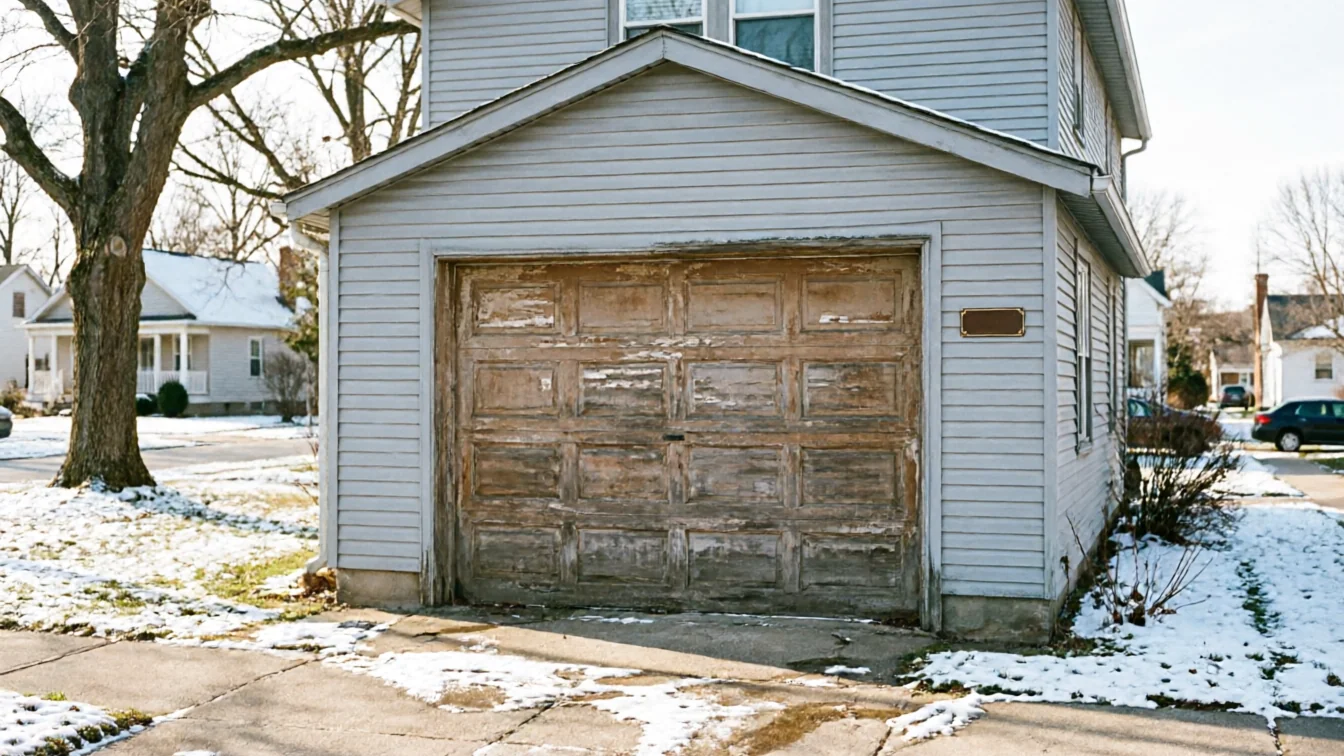
What That Garage Door Noise Is Actually Telling You
Plymouth homes built 1957-2007 carry hardware that ages in cold-climate cycles.
Read guide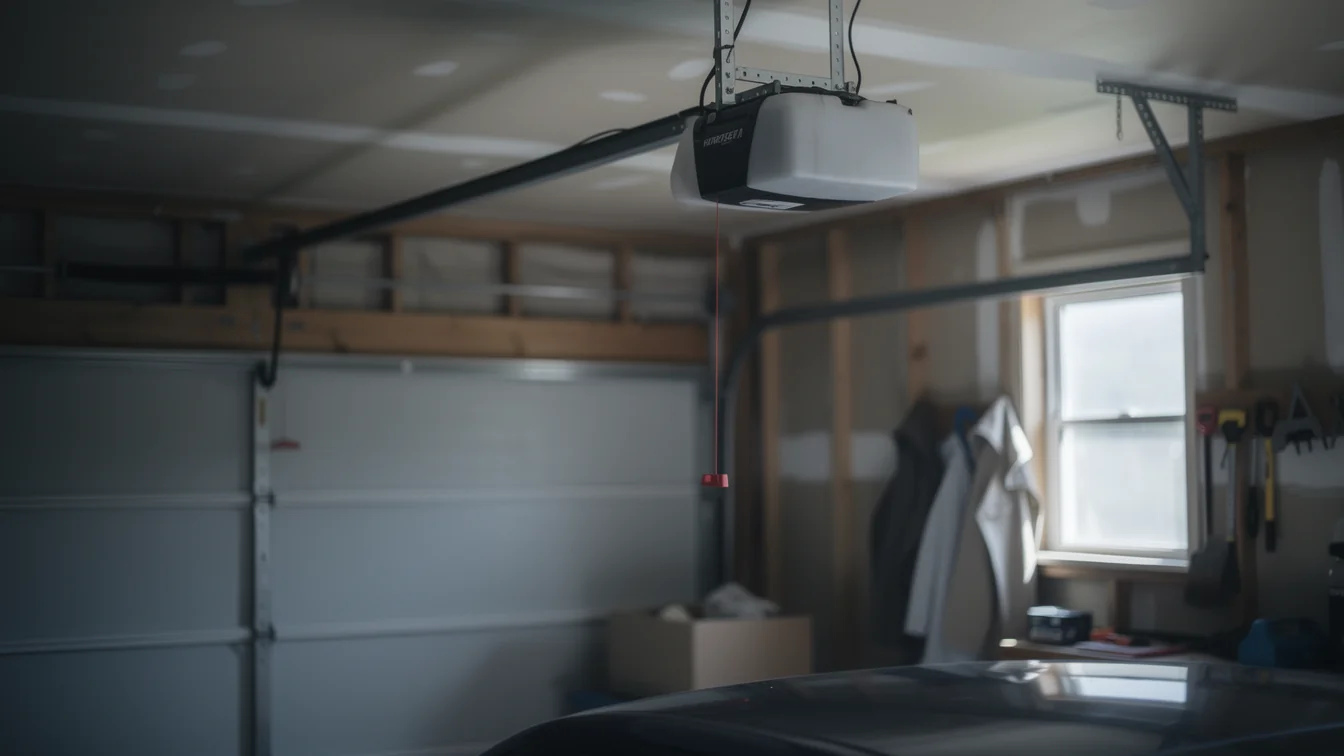
Wind and the Wide Door: A Plymouth Problem
Plymouth homes built 1957-2007 often carry 16-foot double doors never braced for open, cold-climate wind.
Read guide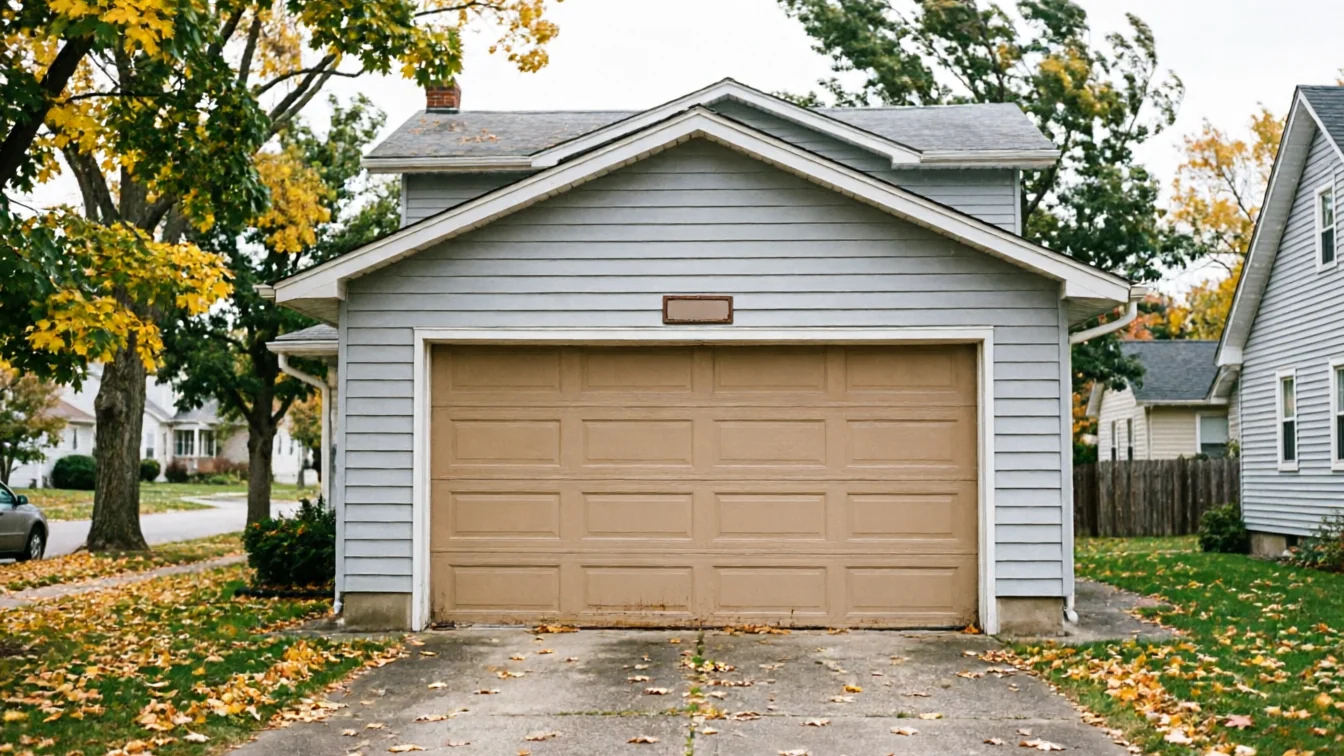
When the Opener Dies: Power Cuts and Plymouth Garage Doors
Plymouth homes built between 1957 and 2007 lose opener power differently depending on the circuit and the cold.
Read guideReady when you are
Need a garage door sorted in Plymouth?
Plymouth Garage Door Pros repairs and installs garage doors, springs and openers in Plymouth, MN and the surrounding area.