
Blog
When a Spring Goes in Cold Weather in Plymouth
Plymouth's 1957-2007 housing stock and severe cold winters put real strain on torsion springs. Here's what that means for your door and your wallet.
How Local Conditions Play In
Plymouth sits in a severe cold climate band, and that matters more for garage doors than most people think. Steel torsion springs lose flexibility as temperatures drop, and the metal fatigues faster through repeated freeze-thaw cycles than it would in a milder climate. Most houses here were built between 1957 and 2007, with the bulk of the stock going up in the 1980s and 90s across the area's named neighborhoods. That means a lot of doors are running original or first-replacement springs that are now thirty-plus years old, sized for a door that's been cycled through decades of Minnesota winters. A spring that's already near the end of its wind count doesn't need much to finish the job - a cold morning and one more open-close cycle can be enough. Garages that aren't insulated, which describes plenty of homes from that era, see bigger temperature swings between the house side and the driveway side of the door. That swing is exactly the kind of stress that cracks a spring at the coil, usually on the first hard cold snap of the season rather than mid-winter.
The Situation
When a torsion spring breaks in cold weather, the door gets heavy fast - sometimes too heavy to lift by hand, especially on a two-car door. You'll usually hear a bang, sometimes loud enough that it sounds like something hit the house. The opener may still run, but it's not built to lift the door's full weight once the spring's tension is gone, and trying to force it through a few cycles can burn out the motor or strip the gear. On older doors from the 1980s and 90s builds common across Plymouth and nearby Hamel, New Hope, and Crystal, the springs and the drums they sit on are often original hardware, which means a broken spring is rarely a quick swap - it's sometimes a case of matching parts that haven't been made the same way in years. That's the honest limitation here: if your spring is original to a house built in that window, we may need to adjust the whole torsion assembly rather than drop in a single replacement part.
Doing Nothing For Now
Leaving a broken spring alone through a cold stretch isn't a neutral choice. A door with no spring tension sits on the cables and the opener alone, and in a severe cold climate, cold-stiffened cables and a strained opener gear are a bad combination for stress fractures you won't see until the next failure. If you park in the garage overnight, you're also looking at a door that won't close, which in a Minnesota winter means a garage that stays at outdoor temperature - rough on anything else stored in there, and rough on pipes if your water heater or laundry hookups share that space. The door isn't going to fix itself by spring. Waiting a week or two to schedule a repair is reasonable; using the opener to force the door through that stretch usually turns a spring job into a spring-and-opener job.
What You Pay
We don't have a fixed number to quote here without seeing the door - spring size depends on door weight, which depends on whether it's a single or double, insulated or not, and how many wind turns the drum needs. What we can tell you is that incomes across this service area run higher than a lot of the Twin Cities suburbs, with a median household income around $112,220 across roughly 291,693 households and 151,285 owner-occupied houses, and most garage door jobs here get paid for and done in a single visit rather than financed or drawn out over weeks. If your spring broke overnight and the door won't move, that's the kind of call that gets a same-day look rather than a scheduled slot a week out.
Questions
Common questions
Why did my spring break overnight instead of during the day?
Overnight is usually the coldest stretch, and steel contracts and stiffens as it cools. A spring that's already fatigued from years of cycling is more likely to crack during that overnight temperature drop than during a warmer afternoon. It's a timing coincidence tied to the cold, not a sign something else is wrong with the door.
Can I just use the opener to force the door open with a broken spring?
You can, but you shouldn't. With the spring gone, the opener is lifting the full weight of the door on its own, which it isn't built for. A few cycles like that can strip the gear or burn the motor, turning a spring repair into an opener replacement as well.
Is it worth replacing both springs if only one broke?
On a lot of doors from the 1980s and 90s building boom here, both springs were wound and installed at the same time, so if one has failed from age and cold fatigue, the other is usually close behind. We'll look at the wear on both before recommending it, but it's a common call on original hardware this old.
Will my garage stay this cold until the door is fixed?
If the door won't close, yes - the garage will sit close to outdoor temperature, which in a severe cold winter is hard on anything stored in there, including plumbing if your water heater or laundry lines run through that space. That's part of why we treat a broken spring that leaves the door open as a priority call.
Recommendation
You Might Also Like
More garage door guides for Plymouth homeowners.
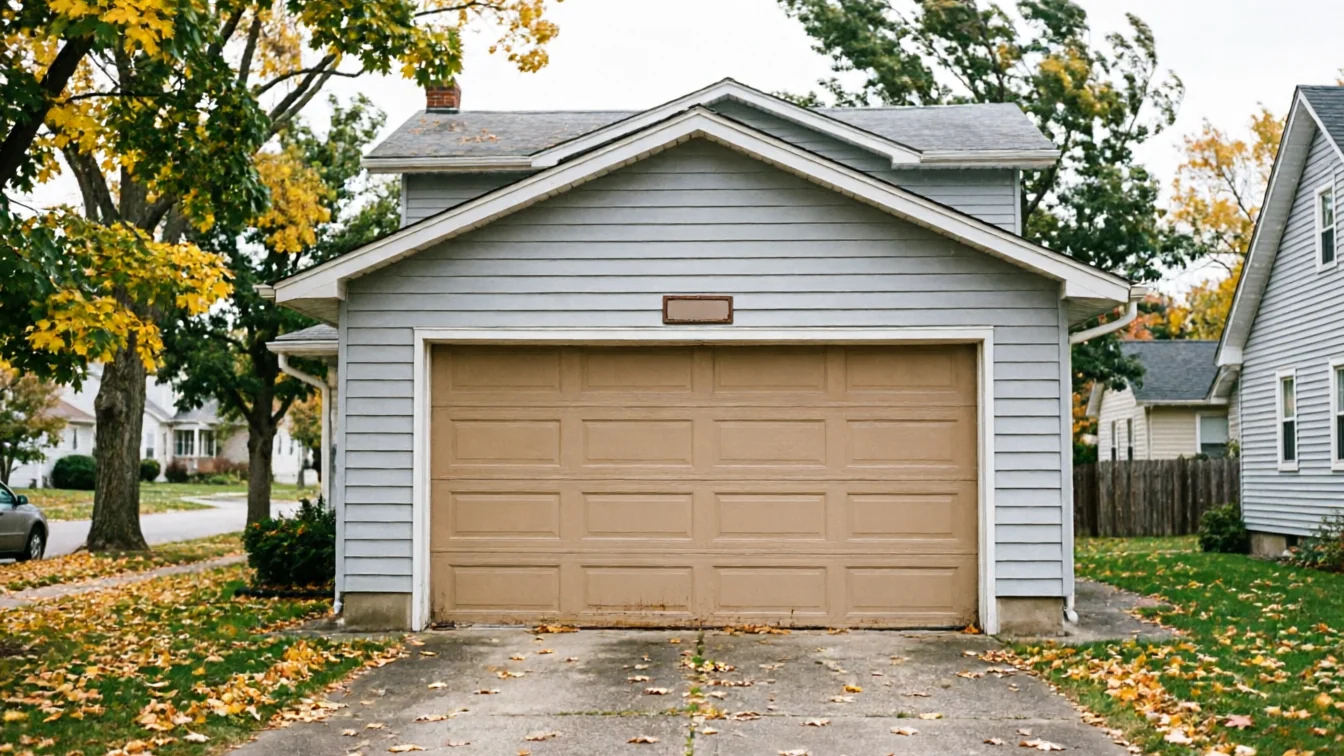
What Replacing a Garage Door Actually Looks Like in Plymouth
Plymouth homes mostly date 1957-2007, and winters here run cold and severe.
Read guide
Weather Seals and Draughts: What Plymouth's Older Doors Need
Plymouth's housing stock dates mostly to the 1980s and 90s, and original door seals weren't built for this cold.
Read guide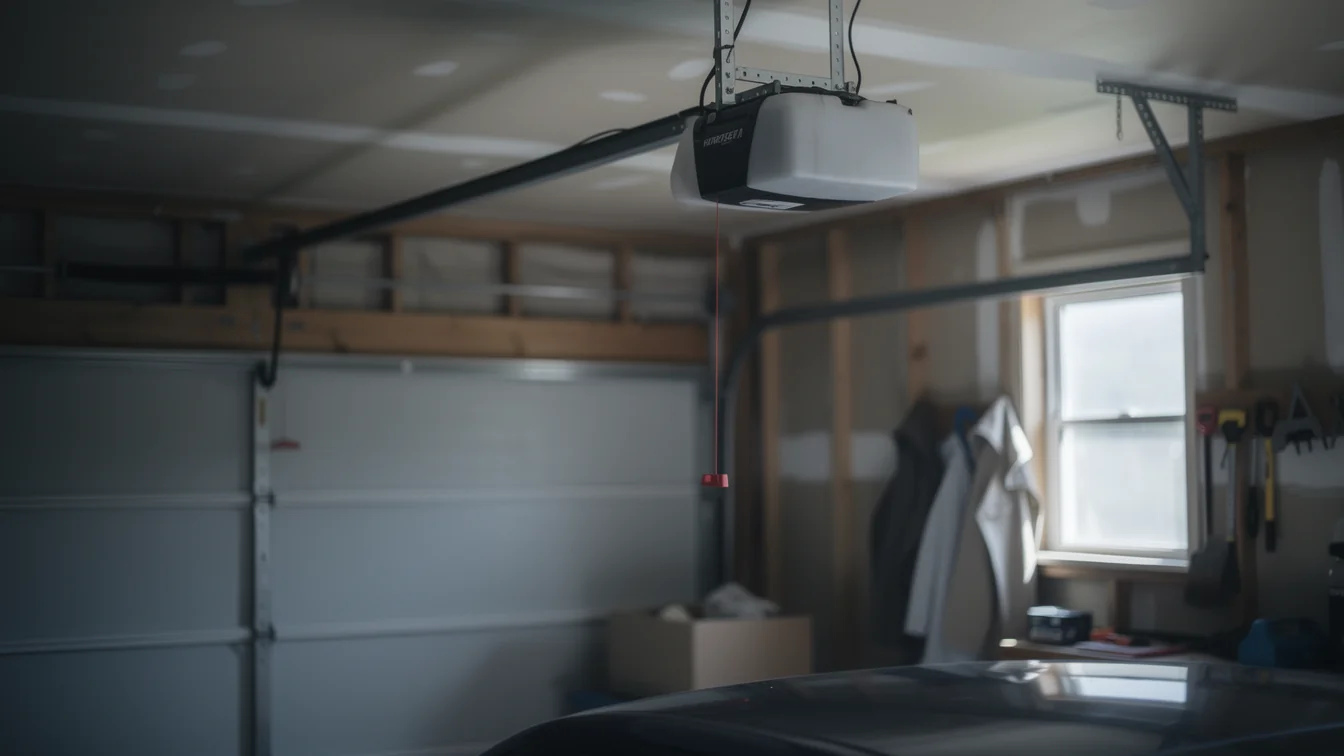
What We Look At First on a Plymouth Service Call
In Plymouth, most garage doors date to the 1980s and sit through severe Minnesota cold winters.
Read guideReady when you are
Need a garage door sorted in Plymouth?
Plymouth Garage Door Pros repairs and installs garage doors, springs and openers in Plymouth, MN and the surrounding area.