
Blog
What a Service Call Actually Covers in Plymouth
A breakdown of what a Plymouth garage door service call includes, tied to the city's 1957-2007 housing stock and cold-climate hardware wear.
How Local Conditions Play In
Plymouth's housing went up mostly between 1957 and 2007, with the bulk of it from the 1980s and 90s, spread across the dozens of named developments that make up this city. That matters on a service call because a tech walking into a 1970s split-level is looking at different hardware than one walking into a 1990s two-car garage, and both are common here. Springs, tracks, and opener mounts from that whole span are still in daily use.
The bigger factor is the climate band this area sits in: cold and severe. That means freeze-thaw cycling on the slab, condensation on steel panels, and lubricant that gums up or stiffens depending on the month. A spring rated for a mild climate works differently once grease thickens at 10 below, and nylon rollers crack faster here than they do two climate zones south. A service call in Plymouth has to account for that from the first look, not as an afterthought once something's already failed.
The Situation
Most calls start the same way: a door that won't open, won't close all the way, or is making a noise that wasn't there last month. The first thing a tech does is figure out whether it's a spring problem, a track or roller problem, an opener problem, or some combination - because on a door that's 20 to 40 years old, it's often more than one.
Given the age spread in Plymouth's housing stock, a lot of what shows up is original hardware nearing the end of its rated cycle count, or hardware that was replaced once already and is now aging out a second time. Torsion springs on doors from the 1980s and 90s are a common failure point, especially on houses that haven't had a spring adjustment since they were built. Track misalignment from slab settling is another, tied to this area's freeze-thaw pattern rather than any one bad install.
The tech's job on-site is to diagnose first, not swap parts on a guess. That means checking spring tension, cable wear, hinge and roller condition, and opener travel limits before quoting anything, because fixing the wrong part doesn't fix the door.
Doing Nothing For Now
Sometimes the honest answer is to wait. A door that's stiff in cold weather but still opens and closes fully, with no visible cable fraying and no grinding from the springs, can usually run another season without intervention - that's a real option here, not a stall tactic. Lubrication and a tension check can buy time on hardware that's aging but not yet failing.
What we don't recommend waiting on is a spring that's already showing uneven coil gaps, or cables with visible strand separation. In a cold-severe climate, a spring under stress and also under thermal load tends to fail at a bad moment, usually a cold morning when you need the door to work. If a door is from the earlier end of Plymouth's 1957-2007 build range and has never had the springs replaced, that's worth a look even if nothing's wrong yet, simply because of cycle count.
One limitation worth saying plainly: we don't replace parts that aren't failed just to be thorough. If a 1990s opener is still running within spec, we won't talk you into a new one.
What You Pay
We don't post flat prices here because the honest range depends on what's actually wrong - a cable adjustment and a full torsion spring replacement on a double door are not the same job, and quoting one number for both would be a guess dressed up as a fact. What we do is diagnose on-site, tell you what we found, and quote before any work starts.
What we can tell you is how the diagnosis shapes the number: parts that are climate-rated for cold-severe conditions cost more than generic hardware, but they last longer here, which matters given how long people tend to keep houses in this area. Given the median household income in this service area sits above $112,000, we don't assume every customer wants the cheapest fix - we'll tell you both the patch option and the replace option when both are real choices, and let you pick.
No trip charge surprises, no pressure to decide on the spot. If the fix can wait, we'll say so even if it costs us the upsell.
Questions
Common questions
Do you service areas outside Plymouth itself?
We work the Plymouth area and nearby communities within roughly a 10-12 mile radius, including places like New Hope, Golden Valley, and Wayzata. If you're farther out, ask - service area depends on the day's schedule, not a hard boundary.
Why does my spring keep failing in winter?
This area sits in a cold-severe climate band, and springs under tension behave differently when metal contracts and lubricant stiffens. A spring that's near the end of its cycle count is more likely to snap on a cold morning than a mild one, which is why winter failures cluster the way they do.
My house is from the 1980s - is that a problem for parts?
Not usually. A lot of Plymouth housing dates from the 1980s and 90s, so techs here see that era of hardware constantly. The more common issue is original springs or rollers that have simply run out their rated cycles, not a parts-availability problem.
Recommendation
You Might Also Like
More garage door guides for Plymouth homeowners.
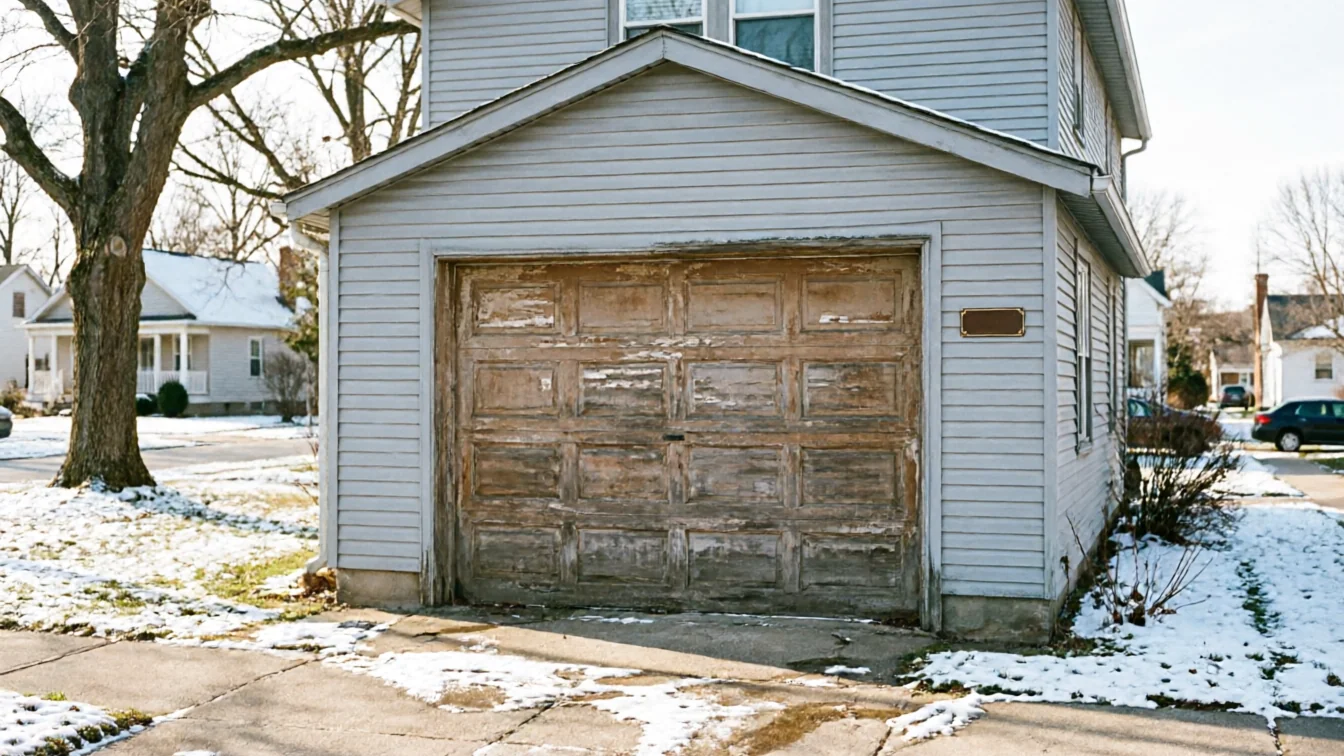
What That Garage Door Noise Is Actually Telling You
Plymouth homes built 1957-2007 carry hardware that ages in cold-climate cycles.
Read guide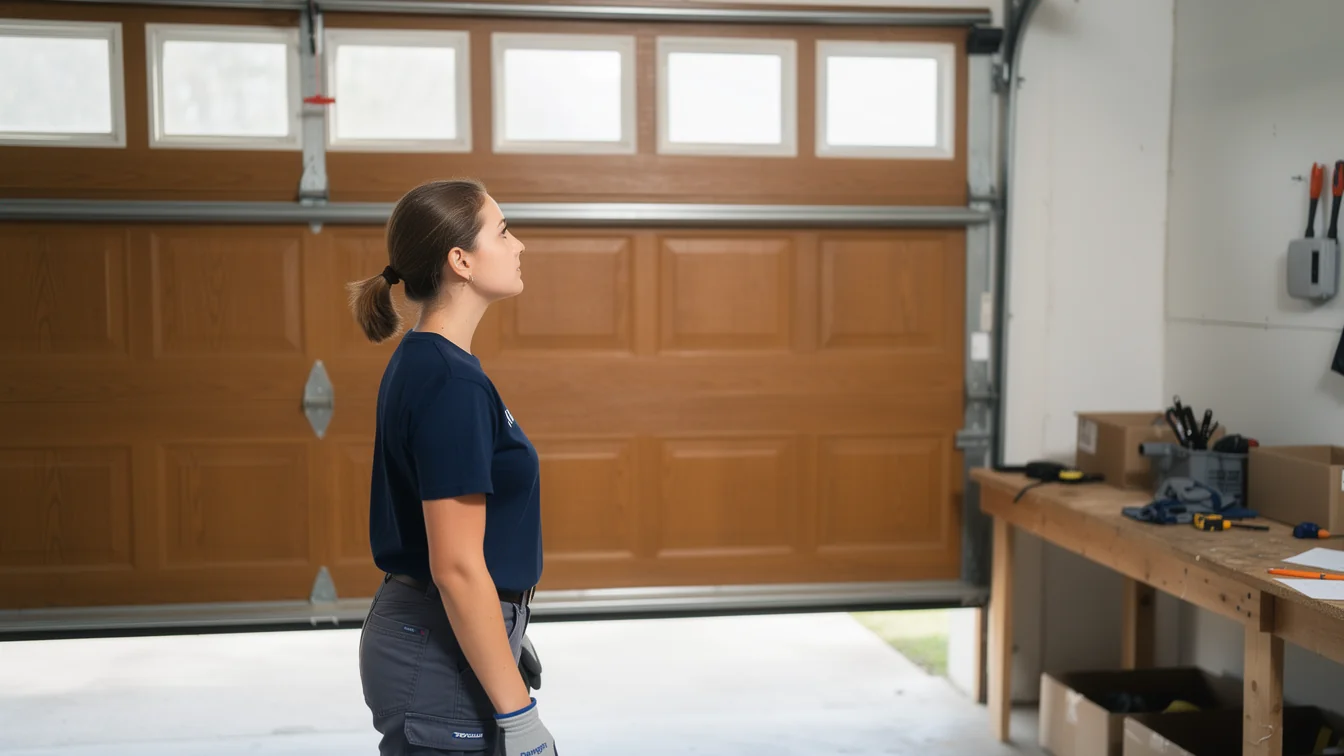
Knowing When Repair Stops Paying Off in Plymouth
A Plymouth homeowner's guide to knowing when a garage door repair stops making sense, based on this area's 1957-2007 housing stock and cold climate.
Read guide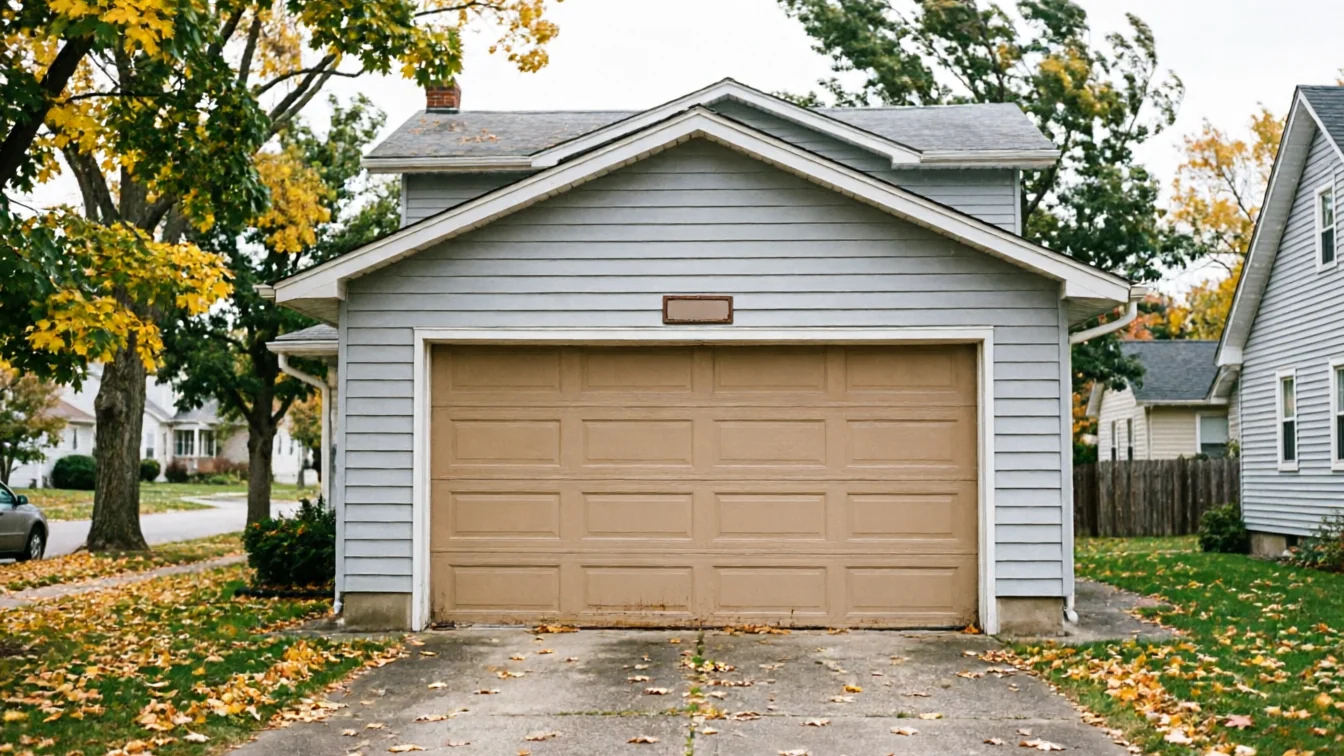
Weather Seals and Draughts: What Plymouth's Older Doors Need
Plymouth's housing stock dates mostly to the 1980s and 90s, and original door seals weren't built for this cold.
Read guideReady when you are
Need a garage door sorted in Plymouth?
Plymouth Garage Door Pros repairs and installs garage doors, springs and openers in Plymouth, MN and the surrounding area.