
Blog
Weather Seals and Draughts: What Plymouth's Older Doors Need
Plymouth's housing stock dates mostly to the 1980s and 90s, and original door seals weren't built for this cold. What draughts cost and when to fix them.
How Local Conditions Play In
Plymouth sits in a cold-climate band with severe winter conditions, and most houses in the area were built between 1957 and 2007, with the bulk going up in the 1980s and 90s. That matters for weather seals and draughts because the vinyl and rubber gaskets installed when those doors were new were only ever rated for so many freeze-thaw cycles before they crack, shrink, and pull away from the track. A door put in during the median build year, 1982, is now well past the point where the bottom seal and the side stop moulding are doing their job. Across the 58 named areas that make up this part of the west metro, the pattern repeats: same era of construction, same seal material, same failure mode showing up house after house. If you're closer to Hamel, three miles out, or out toward New Hope and Wayzata, four miles each way, the same 1980s-era stock shows up in every one of those pockets too. Cold doesn't just make a draughty door uncomfortable here, it makes the seal fail faster than it would somewhere with a milder winter, because the rubber contracts hard every night and expands again every afternoon the sun hits the slab.
The Situation
What you'll notice first is cold air at floor level along the bottom panel, sometimes with a visible frost line where warm garage air meets the cold slab through a gap that used to be sealed. On a windy day you'll feel it move, not just sit there. The side stop moulding, the strip that runs up each jamb, is usually the second thing to go; once it pulls loose at the bottom corners, cold air tracks in along the whole side of the door rather than just underneath. On a door built in that 1980s-to-90s window, the weatherstrip channel itself can be the original aluminum retainer, which holds a thinner bulb seal than what's made now, so even a straight swap doesn't always seat right without some adjustment. None of this is dramatic. It shows up as a cold floor near the door, a higher heating bill than the room should need, and sometimes a line of frost or condensation where the air meets the slab overnight. It's rarely the spring or the opener at this stage. It's the rubber, the track gap, and the age of the house doing what rubber and thirty-to-forty-year-old gaps do in this climate.
Doing Nothing For Now
A worn seal on its own won't strand your car or wreck the opener, so there's no hard rule that says fix it this week. If the draught is minor and the floor near the door isn't your main living space, you can reasonably wait a season. Where it stops being reasonable is when the bottom seal has pulled away enough that water or slush tracks in with it, because that moisture sitting against a wood jamb or a steel panel's bottom edge over a Plymouth winter does more damage than the cold air alone. Here's the honest limit on our end: a seal replacement only fixes a seal problem. If the track is out of plumb or the slab has settled and the door no longer sits level on the floor, a new bottom seal will still leak at one corner no matter how good the rubber is, and that's a different job. With a median household income of $112,220 across roughly 291,693 households in the service area, most owners here can afford to get ahead of it rather than let a draught run up the heating bill all winter, but there's no penalty for waiting a few weeks to get it done right instead of fast.
What You Pay
We don't have a flat number to put on this page, and we'd rather tell you that than guess. What drives the cost on a seal and draught job is mostly which parts are worn: a bottom seal alone is a different job than bottom seal plus both side stops plus a new vinyl retainer because the old aluminum one is bent or corroded. On a door from the 1980s-to-2000s building era that's common across this part of the metro, it's common to need all three at once simply because they were installed together and have aged together. The other variable is whether the track or threshold needs attention first - if the door isn't sealing because it's out of alignment, putting money into rubber before fixing that is money that doesn't hold. Ask for a number specific to your door and your garage floor, not a quote based on square footage or door size alone, since two doors built the same year in this area can need very different work depending on how the slab and track have held up.
Questions
Common questions
Why does my garage door let in cold air even though it closes all the way?
On houses in this area built from the 1980s through the early 2000s, the original bottom seal and side stop moulding are often original to the house. Rubber that old shrinks and cracks in repeated freeze-thaw cycles, so the door can close fully and still leave a gap along the bottom or sides that cold air moves through freely.
Is a draughty door something I need to deal with right away?
Not usually. A worn seal is a comfort and energy-cost issue, not a safety one, so waiting a season is reasonable if the gap is small and water isn't tracking in with the cold air. It becomes urgent once melting slush is getting past the seal and sitting against the bottom panel or jamb.
Will a new bottom seal fix the draught on its own?
Only if the seal is the actual problem. If the slab has settled or the track has shifted so the door doesn't sit level on the floor, a new seal will still gap at one corner no matter how new the rubber is. Worth checking the door's alignment before buying parts.
Recommendation
You Might Also Like
More garage door guides for Plymouth homeowners.
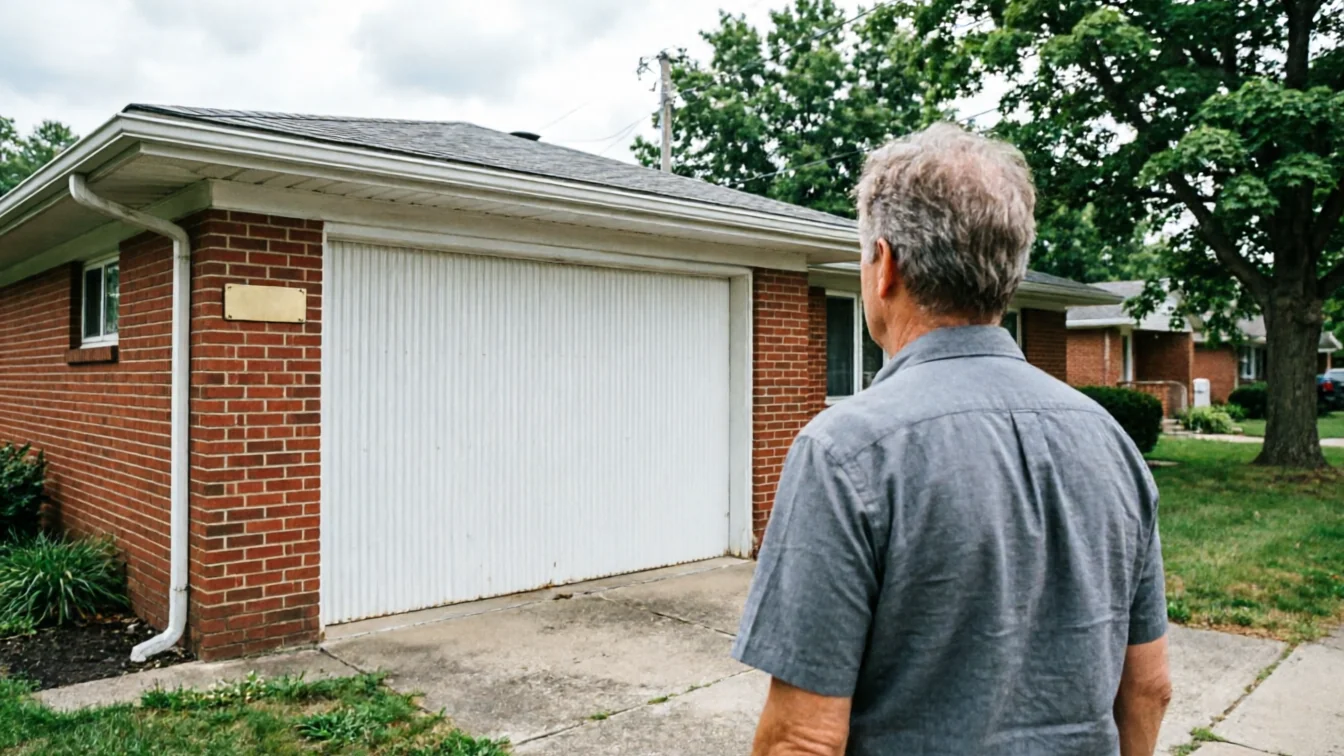
When a Spring Goes in Cold Weather in Plymouth
Plymouth's 1957-2007 housing stock and severe cold winters put real strain on torsion springs.
Read guide
Why Your Garage Door Setup Depends on Detached or Attached in Plymouth
Plymouth's housing dates mostly to 1957-2007, median 1982, and that build era decides whether your garage door problem is an attached-garage issue or a detached one.
Read guide
When Your Plymouth Garage Door Predates the Insulation Code
Plymouth homes built 1957-2007 often carry garage doors from before insulation codes tightened, which matters for cold-weather repair and replacement.
Read guideReady when you are
Need a garage door sorted in Plymouth?
Plymouth Garage Door Pros repairs and installs garage doors, springs and openers in Plymouth, MN and the surrounding area.