
Stripped chain drive gear
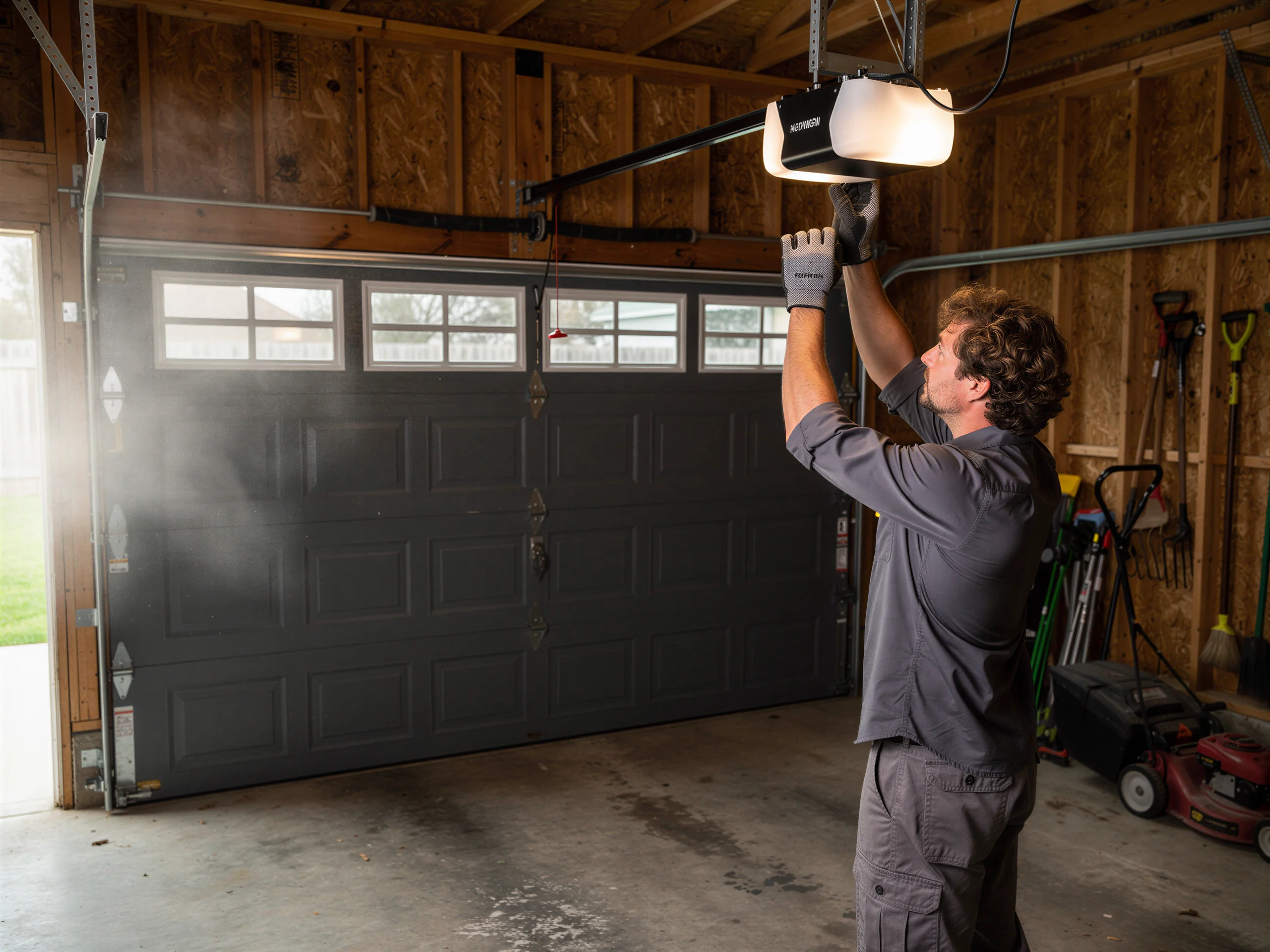
On older chain-drive units built into houses from the 1960s through the 1980s, the symptom is usually a stripped gear or a worn drive chain that's finally given out after years of carrying a door it was never sized for.
Plymouth, MN
Opener installs for Plymouth homes built 1957-2007, matched to cold-climate loads and the chain, belt, or jackshaft hardware your door actually needs.
Symptoms
The opener hums but the door doesn't move, or it moves a few inches and reverses. Sometimes the light flashes a code and nothing else happens.
On older chain-drive units built into houses from the 1960s through the 1980s, the symptom is usually a stripped gear or a worn drive chain that's finally given out after years of carrying a door it was never sized for.
On newer belt-drive units installed during remodels, it's more often a failing logic board or a safety sensor knocked out of alignment. Either way, the opener itself is rarely worth chasing a third or fourth repair on once the motor housing is original to the house.
A circuit board swap on a fifteen-year-old unit often costs close to half of a new opener, and the rest of the unit is aging right along with it. We look at the actual failure before recommending a replacement - a dead capacitor is a different conversation than a cracked gear housing, and we'll tell you which one you have instead of defaulting to a new install.
Downtime
A straightforward opener swap, where the rail, motor, and mounting all match up to what's already there, is a same-visit job. Where it runs longer is when the existing bracket, header mount, or wiring doesn't match the new unit - common in houses built before garage door openers were standard equipment, where the opener was added later and the framing wasn't planned around it. Homes from the 1957-2007 build range across this area show both setups, so the header behind your door might be original framing or a retrofit from whenever the first opener went in. We check that before we quote the job, not after we've started it, so you're not standing in a half-finished garage waiting on a part we didn't know we needed. If a header needs reinforcing for a heavier belt-drive unit, that adds time. We'll say so up front rather than discover it with your door apart.
Local causes
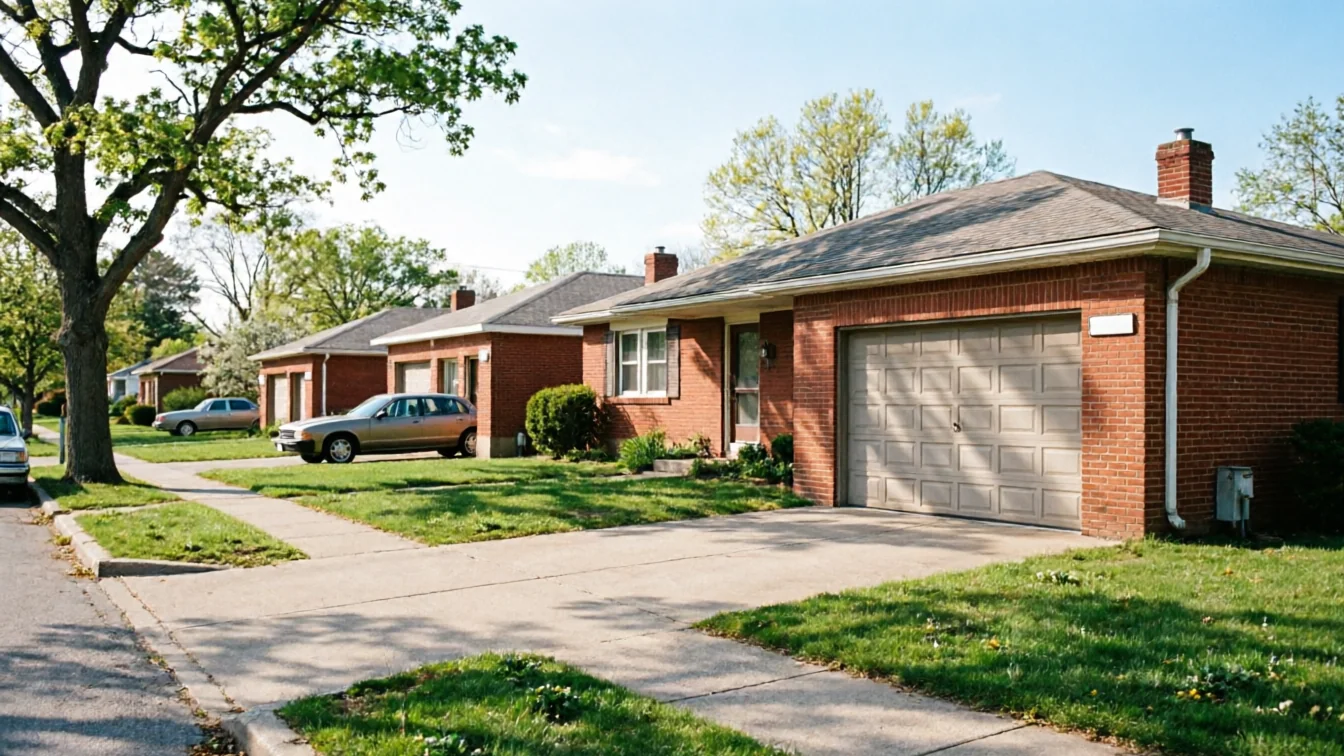
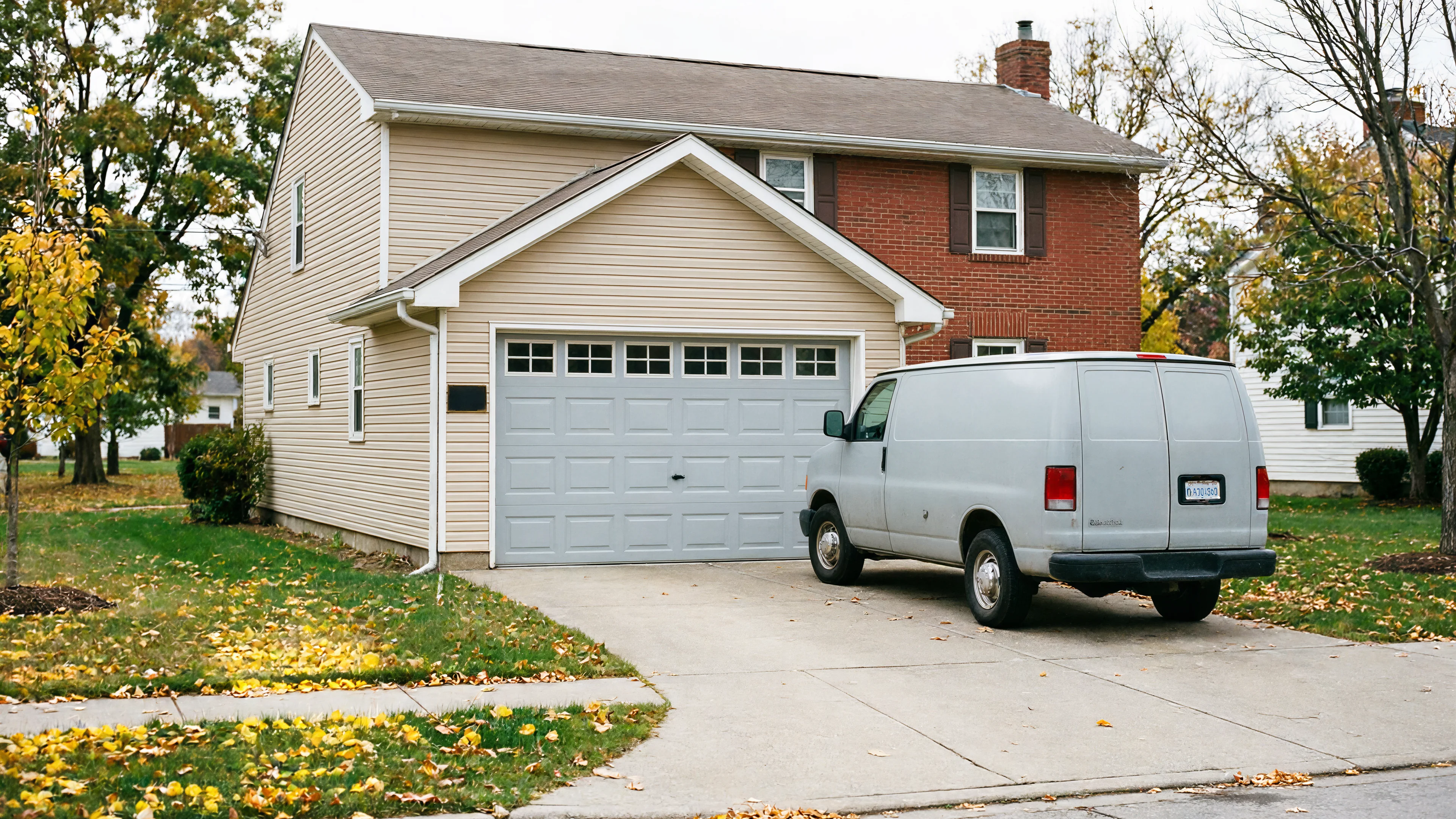
This area sits in a cold-severe climate band, and that matters more for openers than most homeowners expect. Cold doesn't just slow the motor down - it stiffens grease in the drive mechanism, shrinks belt tension, and puts extra draw on a capacitor that's already marginal from age. An opener that limped through a mild fall often fails outright on the first hard cold snap, because the motor is drawing more current than the aging electronics can reliably supply. Housing stock across the area runs mostly 1980s and 90s construction, with the broader range spanning 1957 to 2007, which means a lot of garages were built with a single-car-rated opener now lifting a heavier insulated door added in a later upgrade. That mismatch - an old motor paired with a newer, heavier door - shows up as grinding, slow travel, or an opener that trips its own safety reverse for no obvious reason. It's a hardware mismatch more than a defect, and it's specific to how these houses got built and later updated, not a universal garage door problem.
Pricing
We don't have a flat number to quote here because it depends on the drive type you want, the horsepower your door actually needs, and whether your header and wiring are ready for it or need work first.
What we can tell you is what drives the cost on our end: chain-drive units cost less than belt or jackshaft, and heavier insulated doors - more common where owners have upgraded original doors for the cold - need a higher-torque motor than the builder-grade unit that may have come with the house.
We'll walk your garage, check the door weight and header condition, and give you a number before any work starts, not an estimate that moves once we're inside the wall.
One limitation worth saying plainly: if your opener is still working but just old, we won't push a replacement on you - we'll tell you what to watch for instead.
Questions
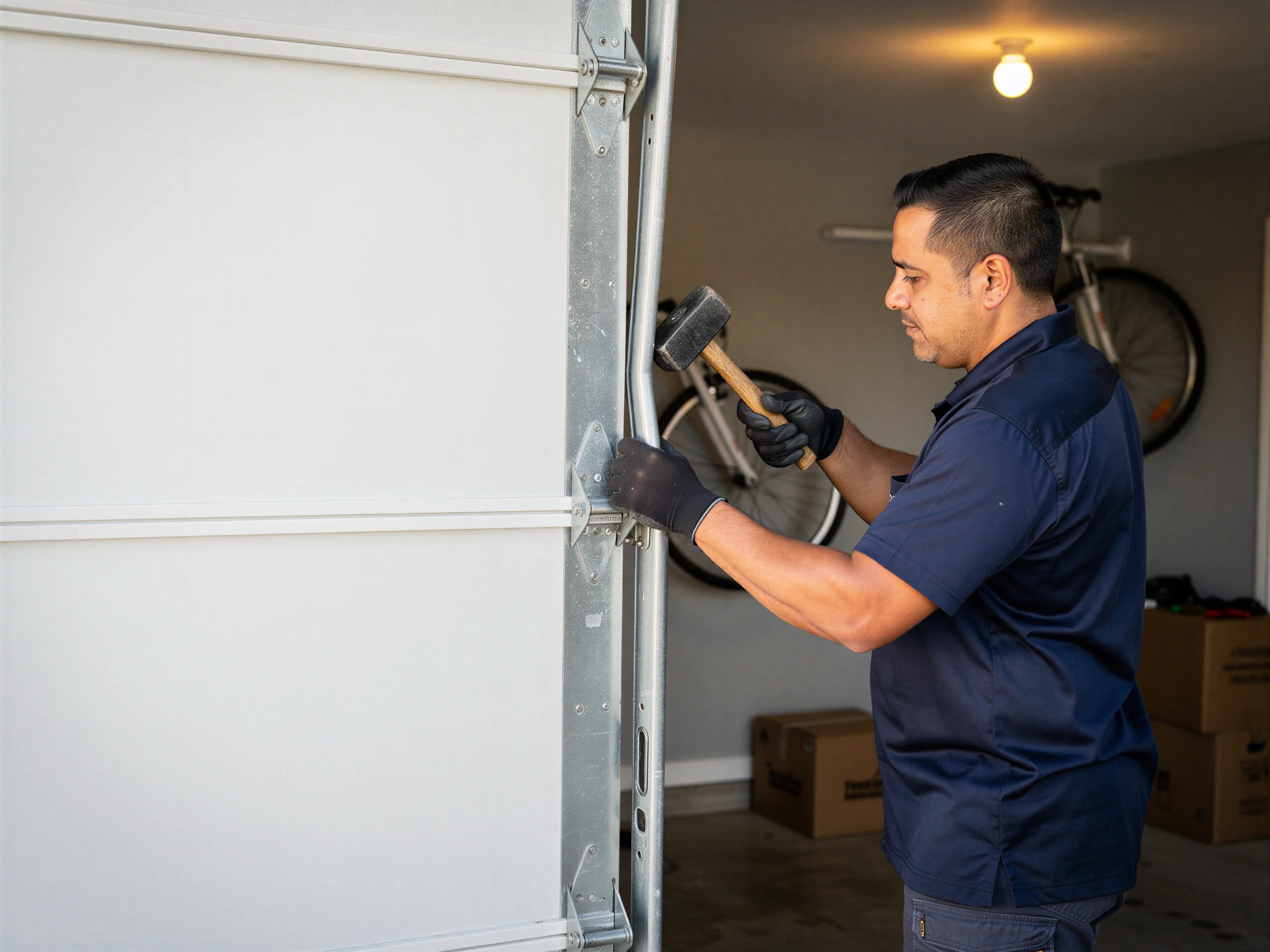
If the door moves freely by hand when disconnected from the opener, the opener is the problem. If the door is heavy, binds, or drags even with the opener disengaged, you likely have a spring or track issue instead, and a new opener won't fix it. We check both before recommending anything.
In most cases yes, but houses in this area span builds from 1957 to 2007, and some original header framing wasn't built for a heavier belt-drive motor. We check the mount and wiring before quoting so you're not surprised mid-job.
This area sits in a cold-severe climate band, and cold stiffens the grease in the drive gear and increases the current draw on an aging motor. A unit that was already marginal often fails on the first real cold snap rather than gradually.
Explore more
Ready when you are
Plymouth Garage Door Pros repairs and installs garage doors, springs and openers in Plymouth, MN and the surrounding area.