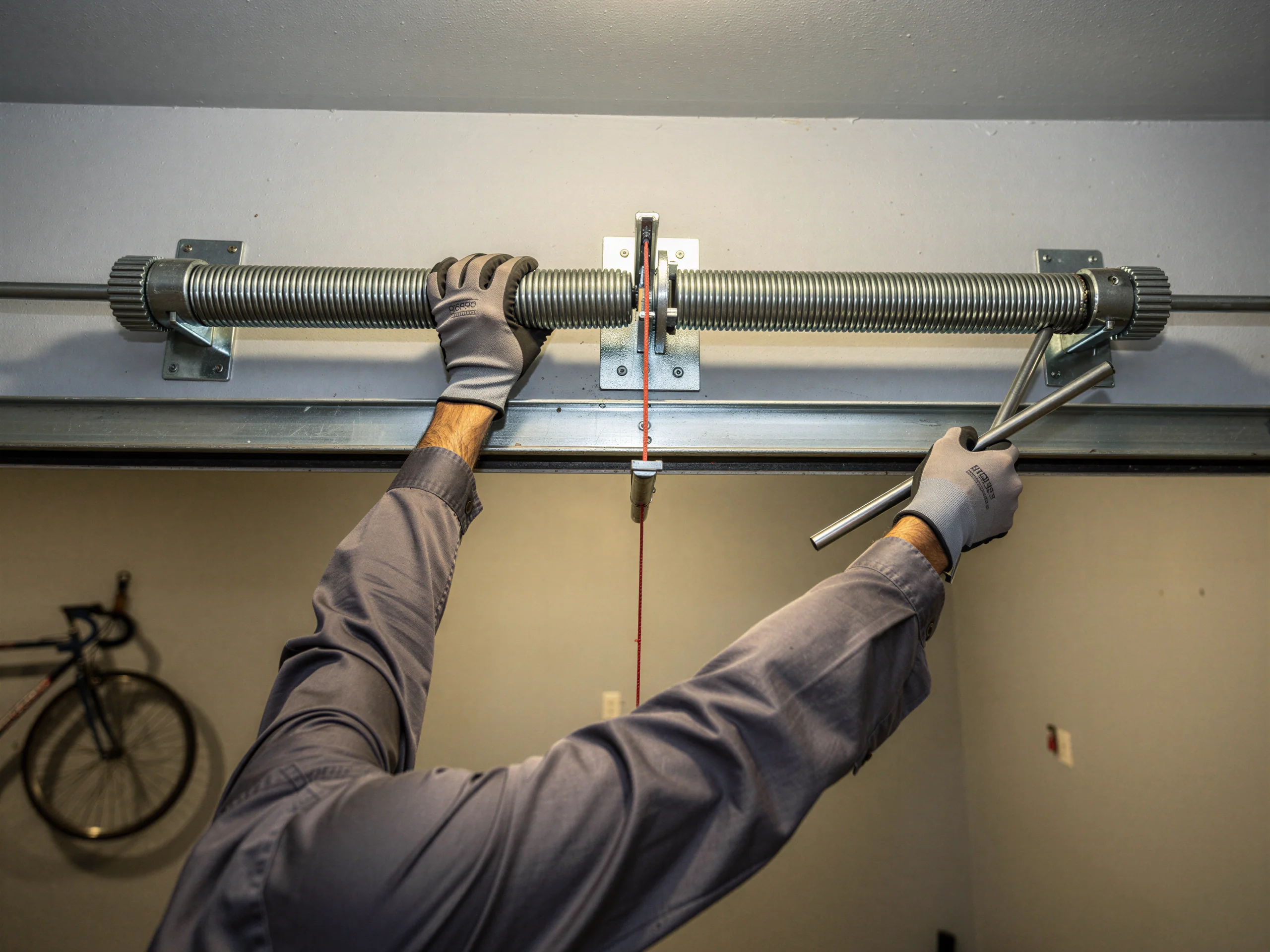
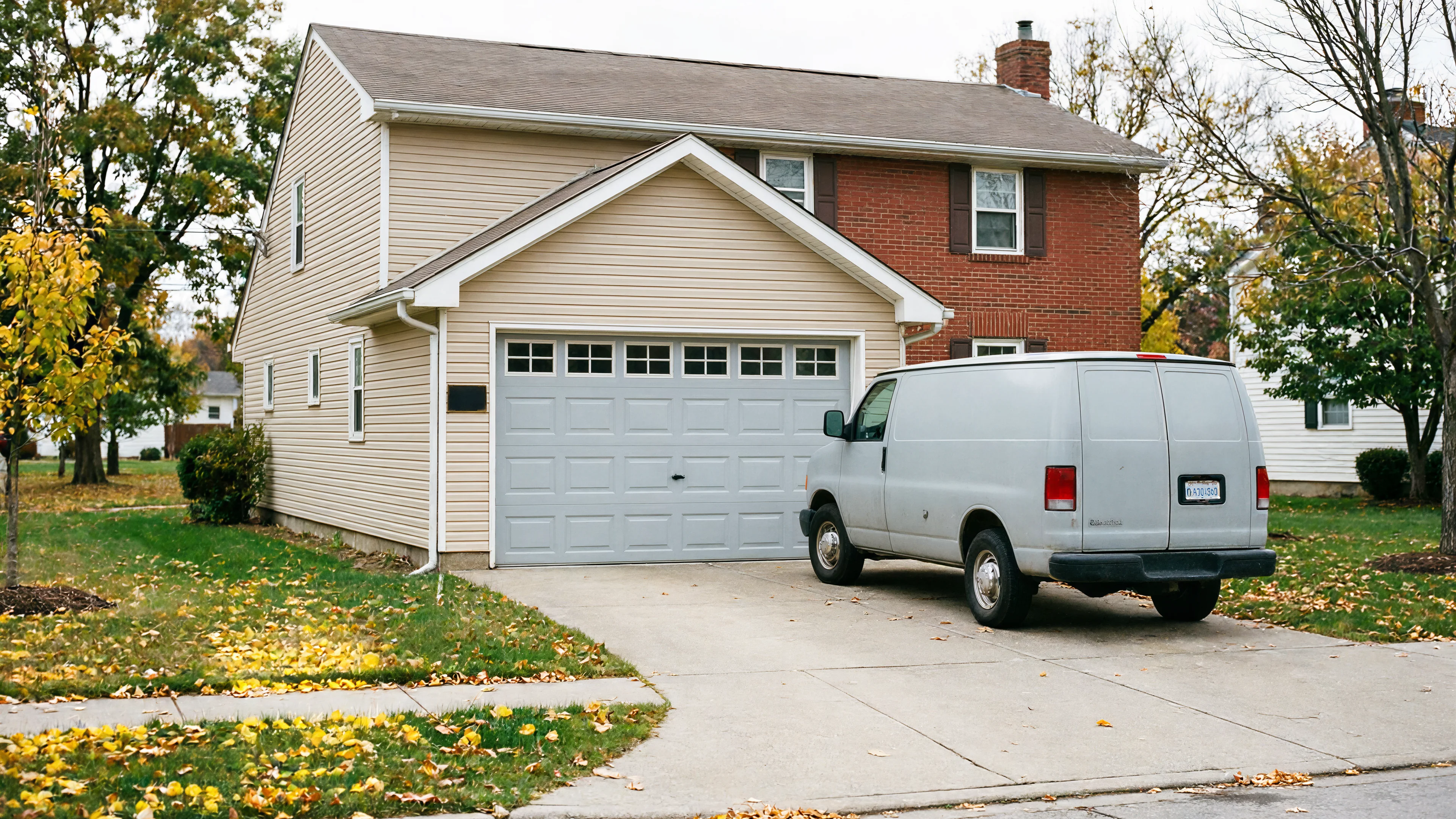
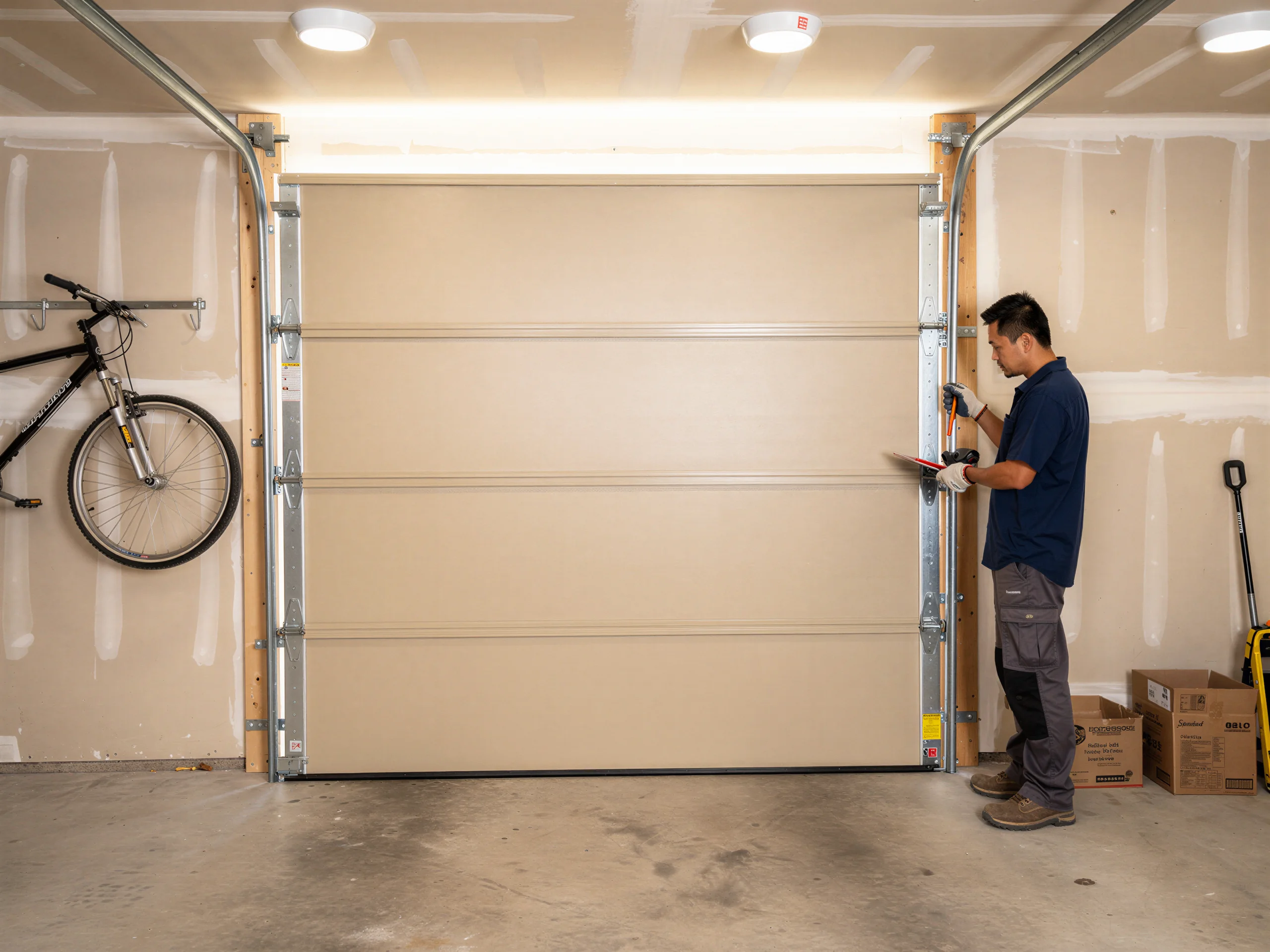
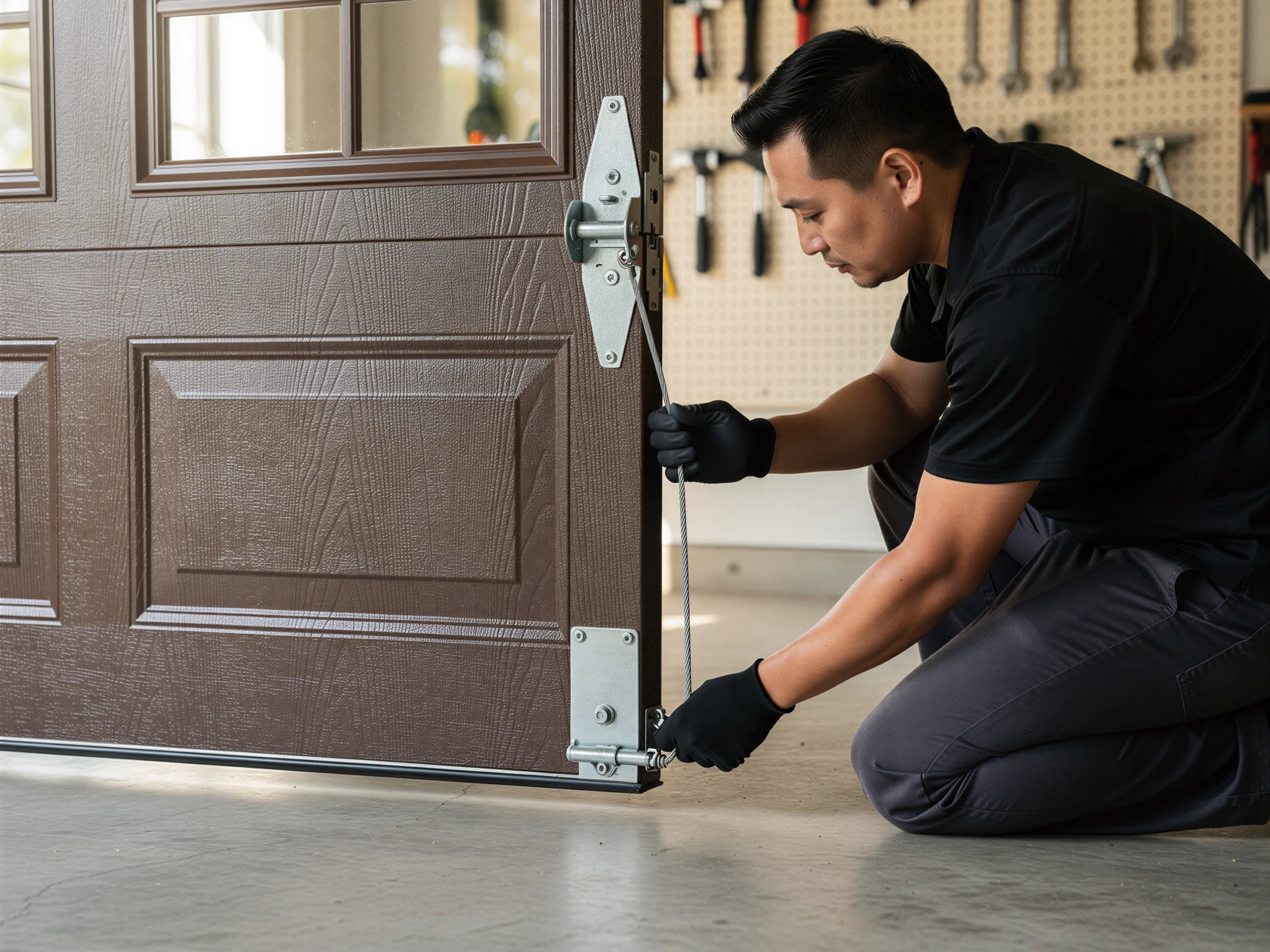
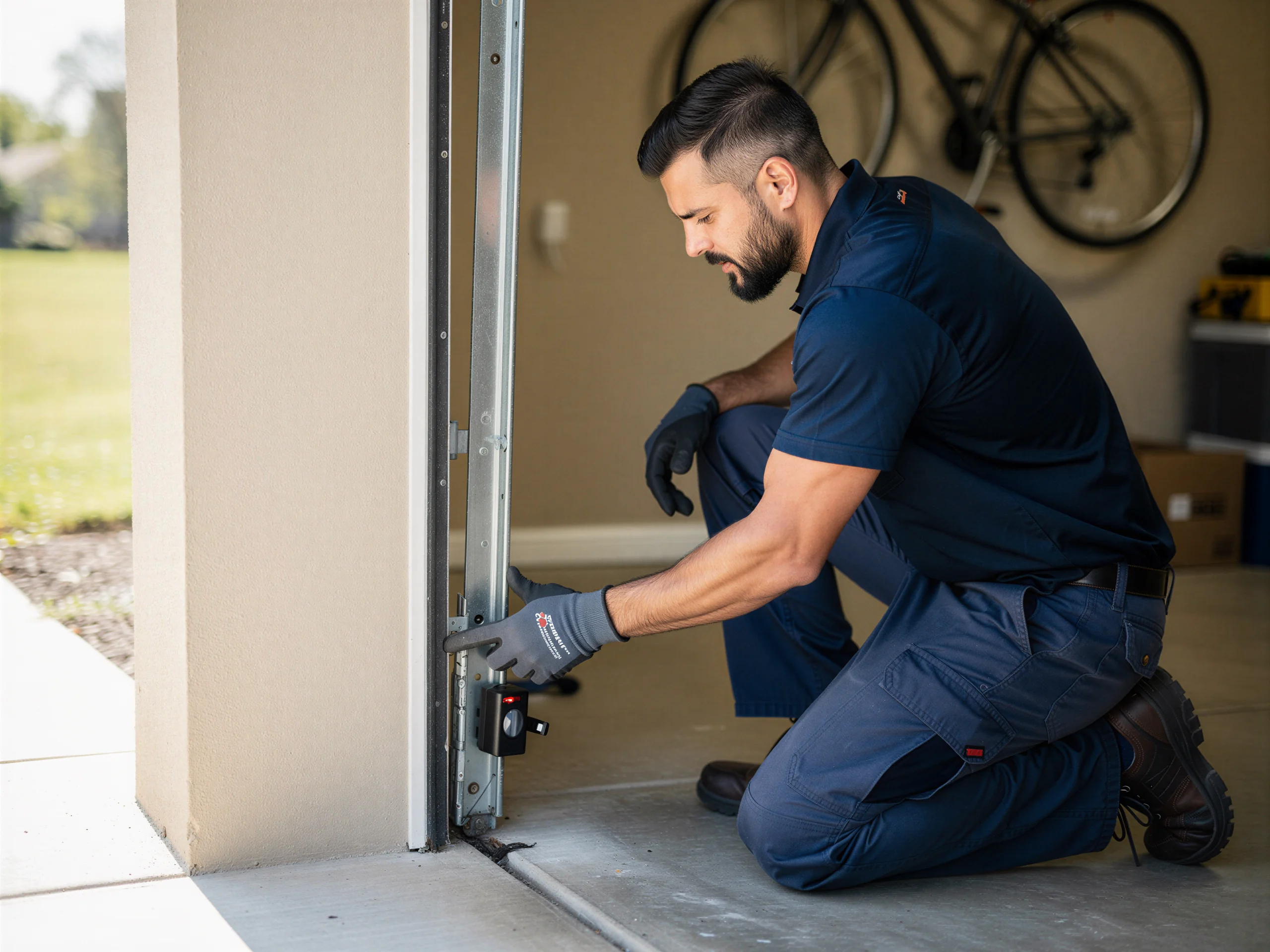
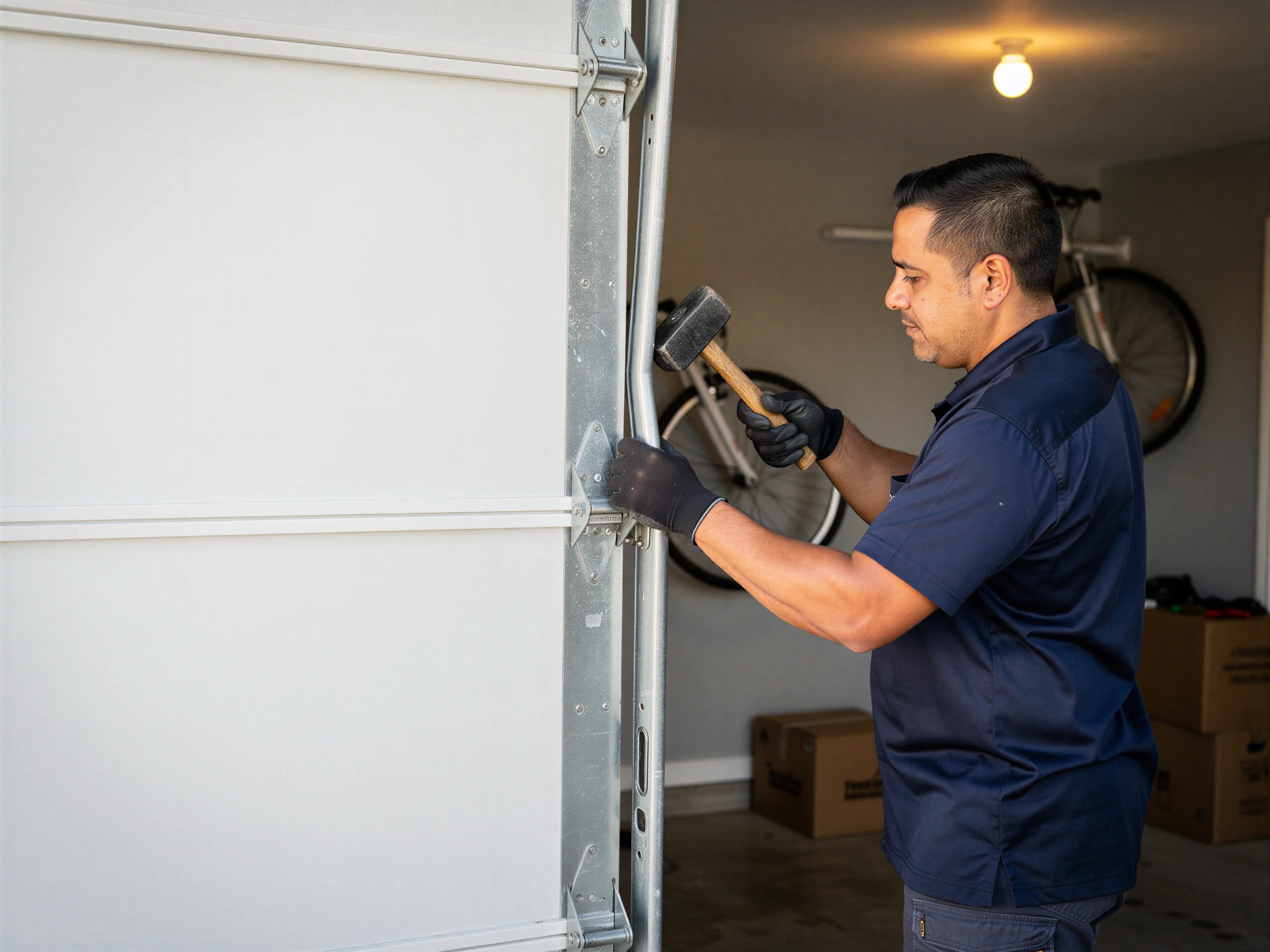
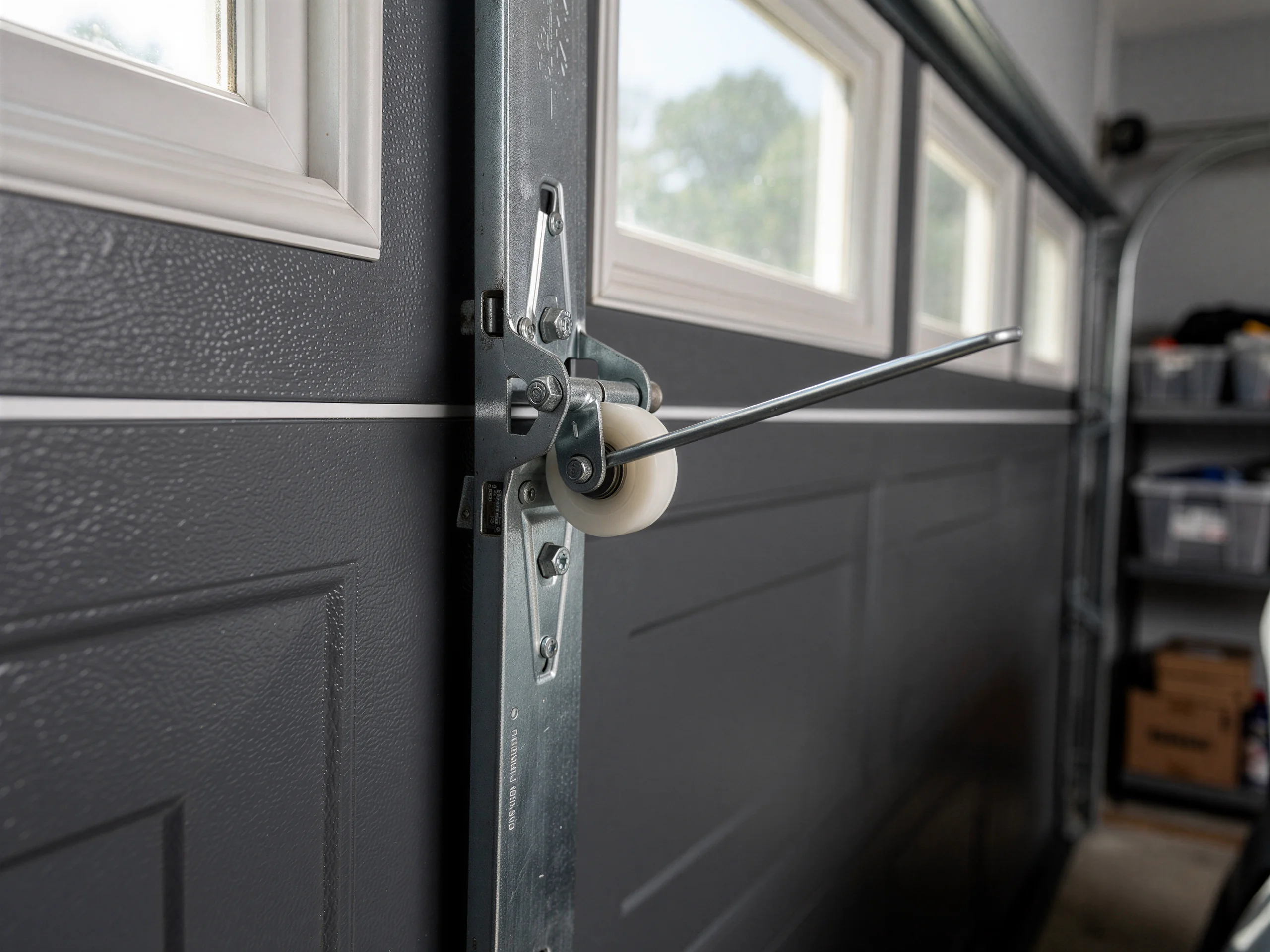
This area sits in a severe cold climate band, and that matters more for springs than people expect. Steel contracts in deep cold, and a spring that's already fatigued from thousands of open-close cycles is more likely to snap on a sub-zero morning than a mild one. If your door has felt stiff or made a creaking sound through past winters, that's the spring telling you it's losing temper before it finally lets go.
Age is the other half of it. With most houses here built between 1957 and 2007, and a lot of that stock concentrated in the 1980s and '90s, a large share of springs in this area are original or one replacement cycle in - meaning they're 20 to 40 years into a part rated for roughly 10,000 cycles. Do the math on two cycles a day and that number runs out faster than most owners think.
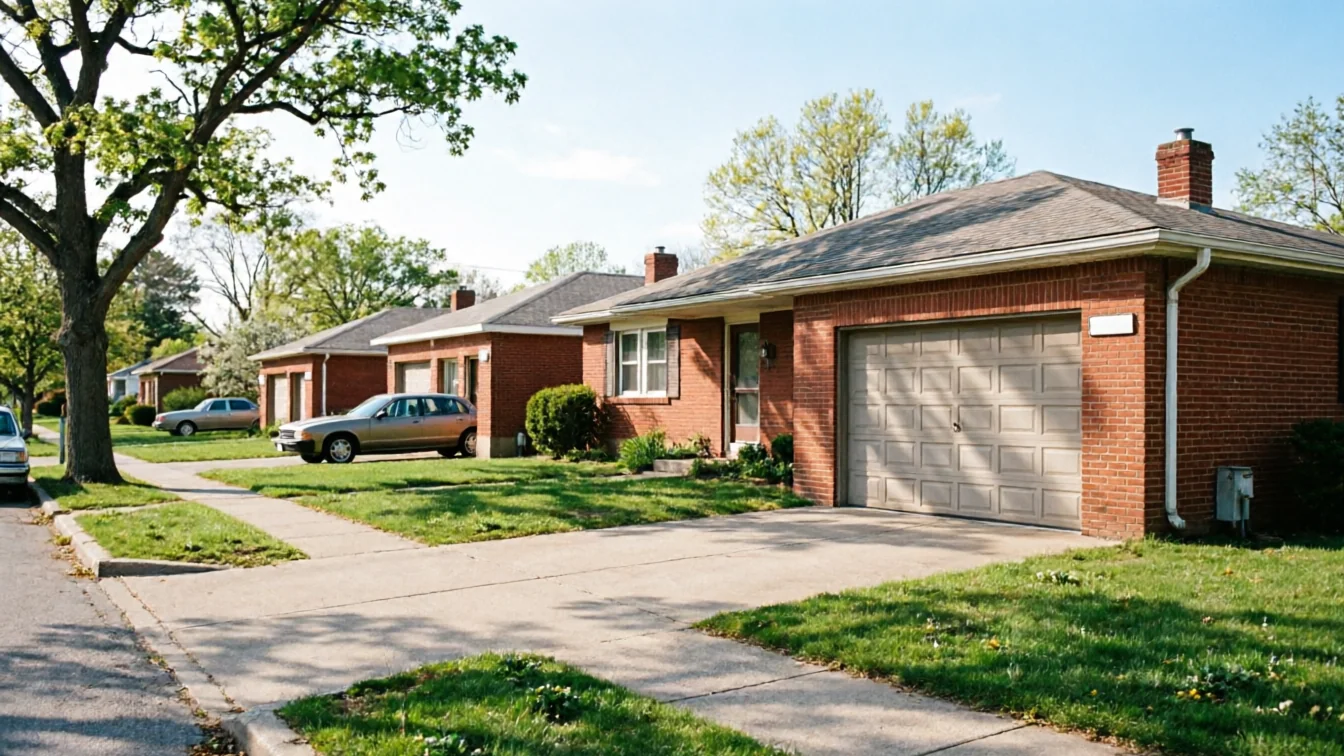
Houses from the earlier end of that range - late 1950s through the '70s - are more likely to carry side-mounted extension springs, a style that's less forgiving when it fails and more prone to whipping if it's not contained properly. That's a design issue, not a maintenance one, and it's worth knowing which kind sits over your door.