
Blog
When Is It Worth Fixing an Older Plymouth Garage Door?
Plymouth homes built 1957-2007 face severe Minnesota winters that find every weak spring and worn track. Here's what's worth fixing versus replacing it.
How Local Conditions Play In
Plymouth sits in a cold-severe climate band, and that matters more to a garage door than almost anything else about it. Steel contracts in deep cold, nylon rollers get brittle, and the grease in an old bearing thickens until the opener is straining against friction instead of lifting a balanced door. None of that shows up in July. It shows up on the first hard cold snap, usually as a spring that lets go or a track that's bound up tight enough to stall the opener.
Most houses on this side of the Twin Cities went up between 1957 and 2007, with the bulk of that stock dating to the 1980s and 90s across the 58 named areas we see work in. That means a lot of doors out there are original equipment from a build boom that favored one builder-grade torsion spring and a steel track that was never meant to flex through 40-plus years of Minnesota freeze-thaw cycles. The hardware wasn't bad for its era. It just wasn't built for the number of winters it's now absorbed.
If your door is still on its original spring and track from that period, cold is the thing most likely to end that run, not age by itself.
The Situation
A door installed when a Plymouth house was built in, say, 1982 is now well past the point where every moving part is original-spec. The panels themselves can last decades if the steel hasn't rusted through at the bottom corner - and in this climate, that bottom panel is the one that takes the brunt of de-icer salt and snowmelt. The torsion spring is a different story. It's a wear part with a cycle life, and a spring from the 1980s or 90s stock common here has usually long since put in more open-close cycles than it was rated for.
The question isn't really "how old is the door" - it's which part failed. A broken spring on a panel set that's otherwise straight and rust-free is almost always worth fixing; you're replacing a $150-ish wear part on a door that's structurally fine. A track that's bent from someone backing into it, paired with an opener that's also failing, starts tipping toward replacement, especially once you add up parts for hardware this old that a supply house may not stock on the shelf anymore.
We look at the panel condition, the track alignment, and whether the opener is original before we tell you which way that math goes. We don't push replacement on a door that just needs a spring.
Doing Nothing For Now
Here's the honest limitation: if your door is closing slow, making a grinding sound, or the opener strains and reverses on cold mornings, waiting through a Minnesota winter is the worst time to put it off. A spring that's already fatigued from decades of cycling is more likely to fail completely in sustained cold than in July, because the cold steel is less forgiving right at the moment of failure. A spring that snaps when the door is up can drop a door that weighs more than most people expect.
That said, not every odd noise means imminent failure. A door that's stiff for the first cycle on a 10-degree morning and then runs fine the rest of the day is often just thick old grease, not a part on the edge. If yours is doing that and nothing more, lubricating the track and hinges can buy you real time without spending on parts you don't need yet.
The cases where we'd tell you not to wait: visible rust at the spring coils, a cable that's frayed near the drum, or a door that's noticeably off-level when it closes. Those are mechanical, not cosmetic, and cold makes them worse, not better.
What You Pay
We're not going to list prices here that don't hold up once we've actually looked at your door - a spring job and a full replacement aren't in the same conversation, and quoting one number for both would be dishonest. What we can tell you is what drives the number up or down on a door from the 1980s-2000s stock common in this area.
Availability of parts matters more than most people expect. A spring is a spring and we stock standard sizes. But an opener from that era, or a track system built to a spec a manufacturer doesn't carry anymore, can mean a longer wait and a higher bill than a comparable repair on a newer door. That's a real limitation, not a sales pitch - some parts for older hardware simply take longer to source.
The other factor is scope. A single spring swap on a sound door is a contained job. A door where the spring failure has also bent the track or burned out the opener motor is three jobs stacked into one call. We'll tell you up front which situation you're in before any work starts, and we'll say plainly when a repair isn't worth it against the cost of replacing the whole door.
Questions
Common questions
My Plymouth house was built in the early 1980s - is the garage door original?
It's possible. A lot of houses from that build era still have their original torsion spring and track, even if the panels were swapped at some point. If you've never had the spring replaced, it's worth having it looked at, since original springs from that period are well past typical cycle life.
Does Minnesota cold actually cause spring failure, or is that just age?
Both play a role, but cold is usually what finishes off a spring that's already fatigued. Steel is less forgiving in deep cold, so a spring that's been weakening for years is more likely to snap outright on a sub-zero morning than on a mild one.
Is it ever worth replacing the whole door instead of fixing it?
Yes, when the failure has reached more than one system - say, a bent track plus a burned-out opener motor - or when parts for an older build are hard to source and the wait outweighs the cost difference. We'll tell you plainly if that's your situation before doing any work.
How do I know if my door just needs lubrication versus actual repair?
If it's stiff only on the first cold-morning cycle and runs smoothly the rest of the day, that's usually thick old grease, not a failing part. Visible rust at the spring coils, a fraying cable, or a door that closes unevenly are signs it's mechanical, not just cold grease.
Recommendation
You Might Also Like
More garage door guides for Plymouth homeowners.
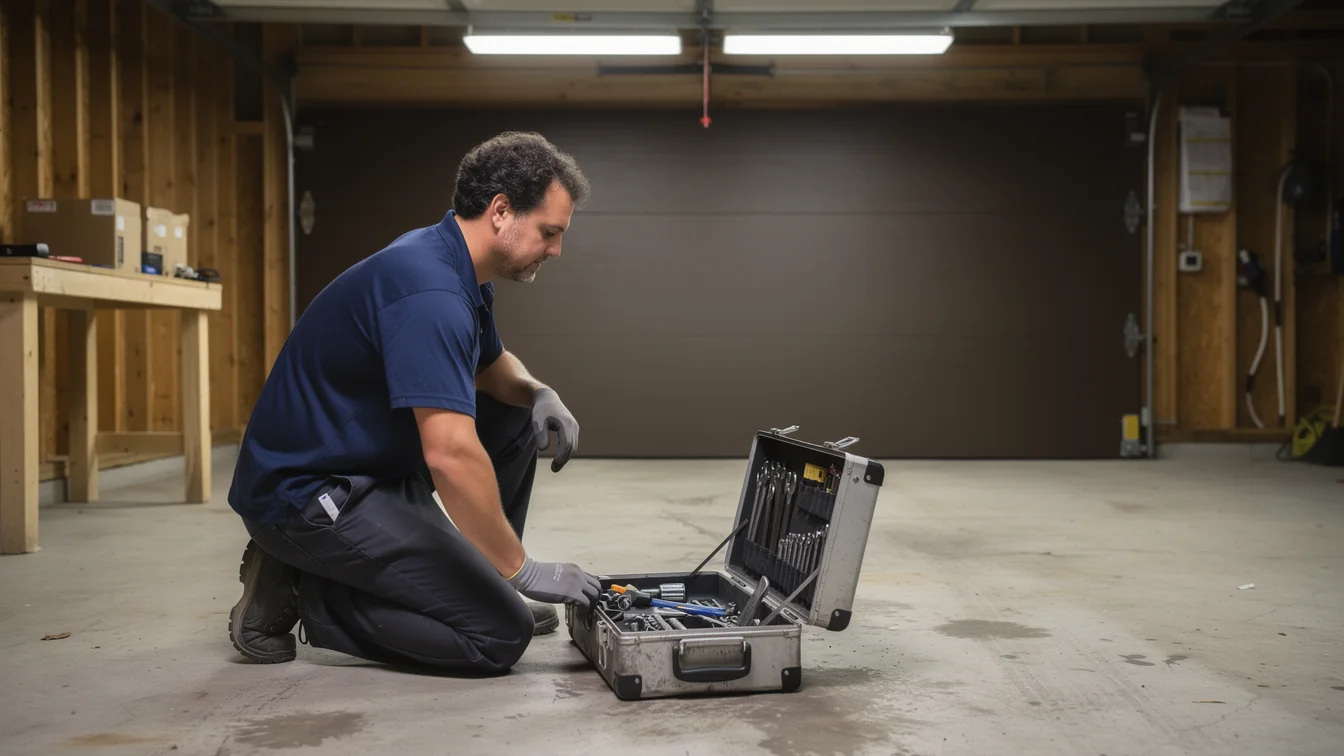
Why Garage Doors Jump Track in Plymouth
Plymouth homes built between 1957 and 2007 carry track and roller hardware suited to Minnesota winters.
Read guide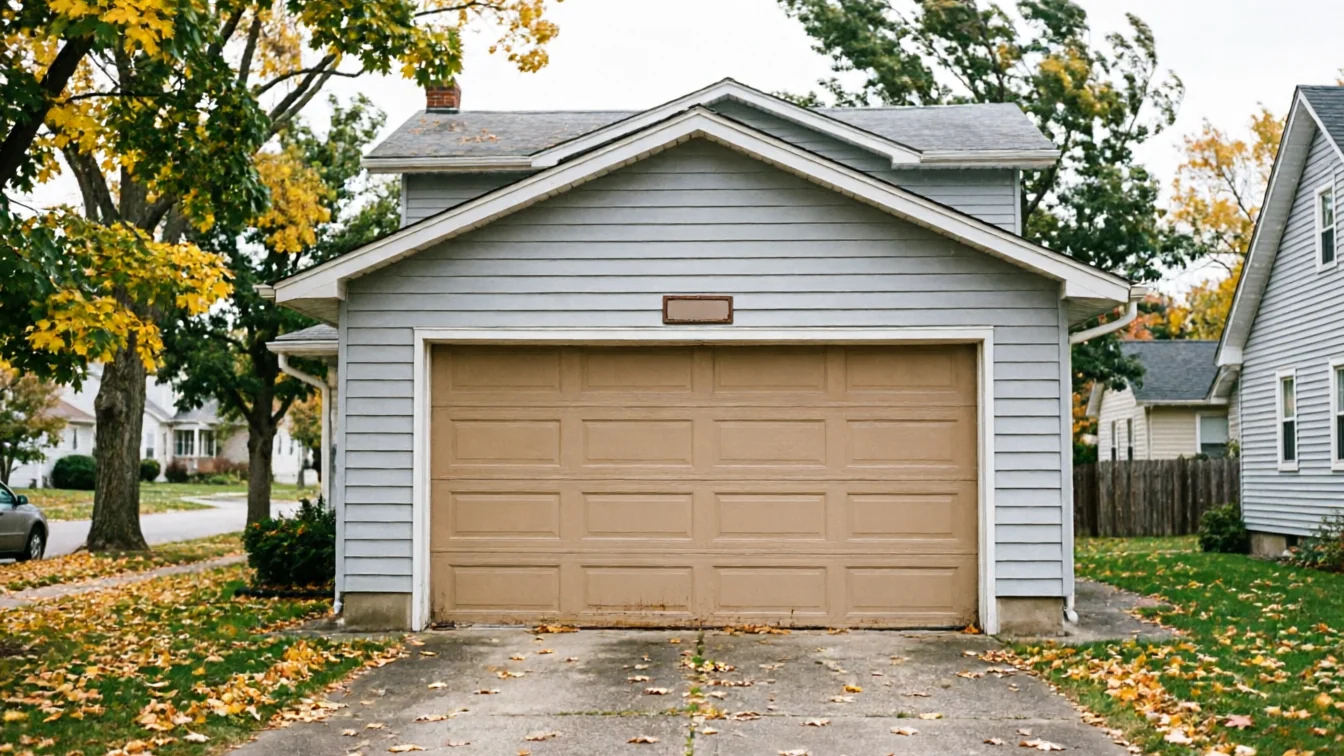
What Replacing a Garage Door Actually Looks Like in Plymouth
Plymouth homes mostly date 1957-2007, and winters here run cold and severe.
Read guide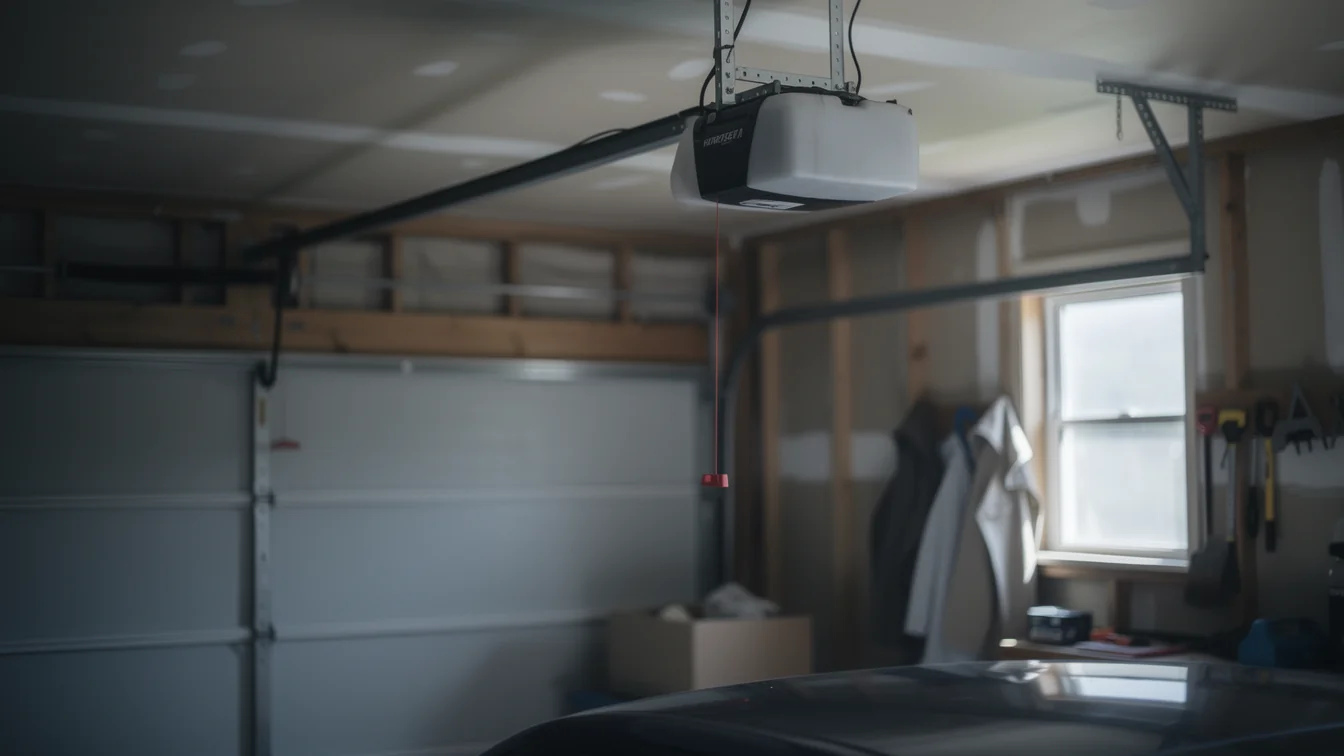
What We Look At First on a Plymouth Service Call
In Plymouth, most garage doors date to the 1980s and sit through severe Minnesota cold winters.
Read guideReady when you are
Need a garage door sorted in Plymouth?
Plymouth Garage Door Pros repairs and installs garage doors, springs and openers in Plymouth, MN and the surrounding area.