
Expensive DIY mistakes
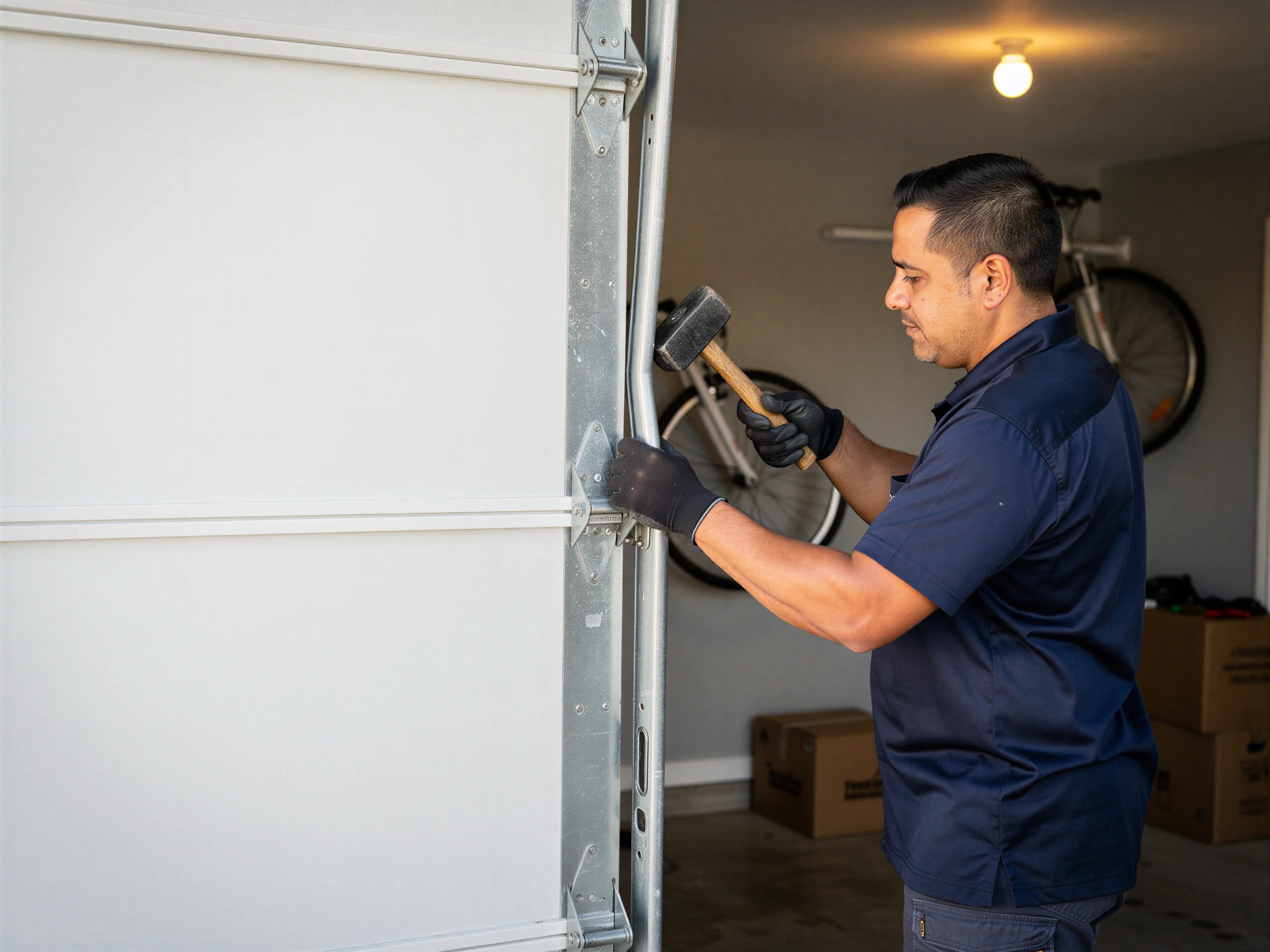
On a house with that budget, a $300 DIY mistake - a bent track from forcing a door off a broken cable, a stripped opener gear from the wrong bolt - costs a lot more relative to the household than it would a few miles away.
New Hope, Plymouth
New Hope's houses mostly date to 1969, older than the rest of the service area. See what that means for springs, openers, and the repair-or-replace call here.
DIY or pro
New Hope's median household income is $73,698, well under the $112,220 median across the rest of the service area we cover from Plymouth. That gap matters before you touch a wrench.
On a house with that budget, a $300 DIY mistake - a bent track from forcing a door off a broken cable, a stripped opener gear from the wrong bolt - costs a lot more relative to the household than it would a few miles away.
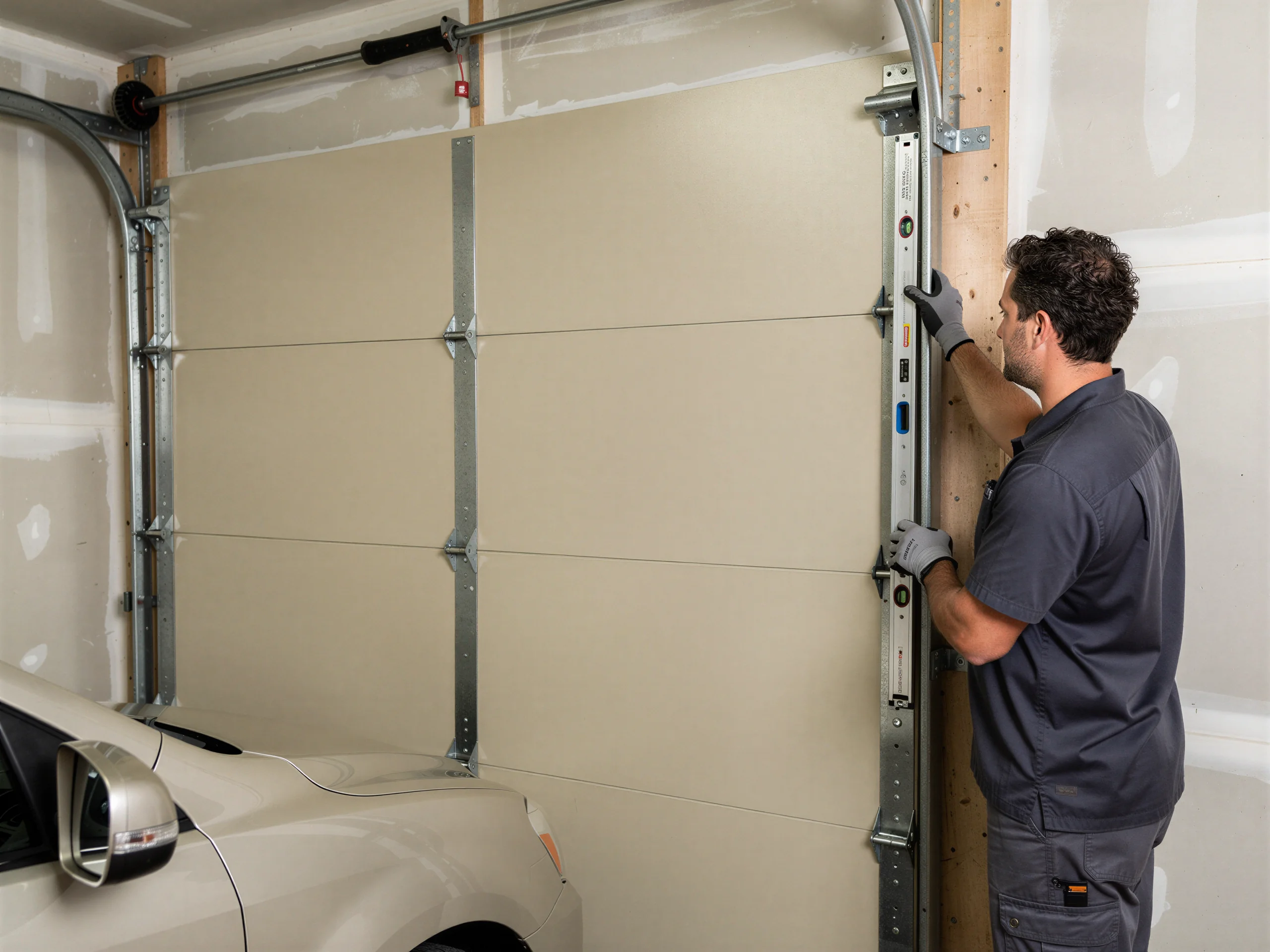
Some things are safe to try: tightening loose hardware, checking the track for visible gaps, clearing the photo-eye sensors if the door won't close. Springs, cables, and anything under tension are not DIY jobs - a wound torsion spring can break a hand or worse.
If your door was built with the house around 1969, odds are decent you're dealing with original or near-original hardware that doesn't match what's sold today, which is exactly where a homeowner trying to save money ends up buying the wrong part twice. Know the line: if it's under spring tension or involves the opener's internal wiring, that's a call, not a weekend project.
On the truck
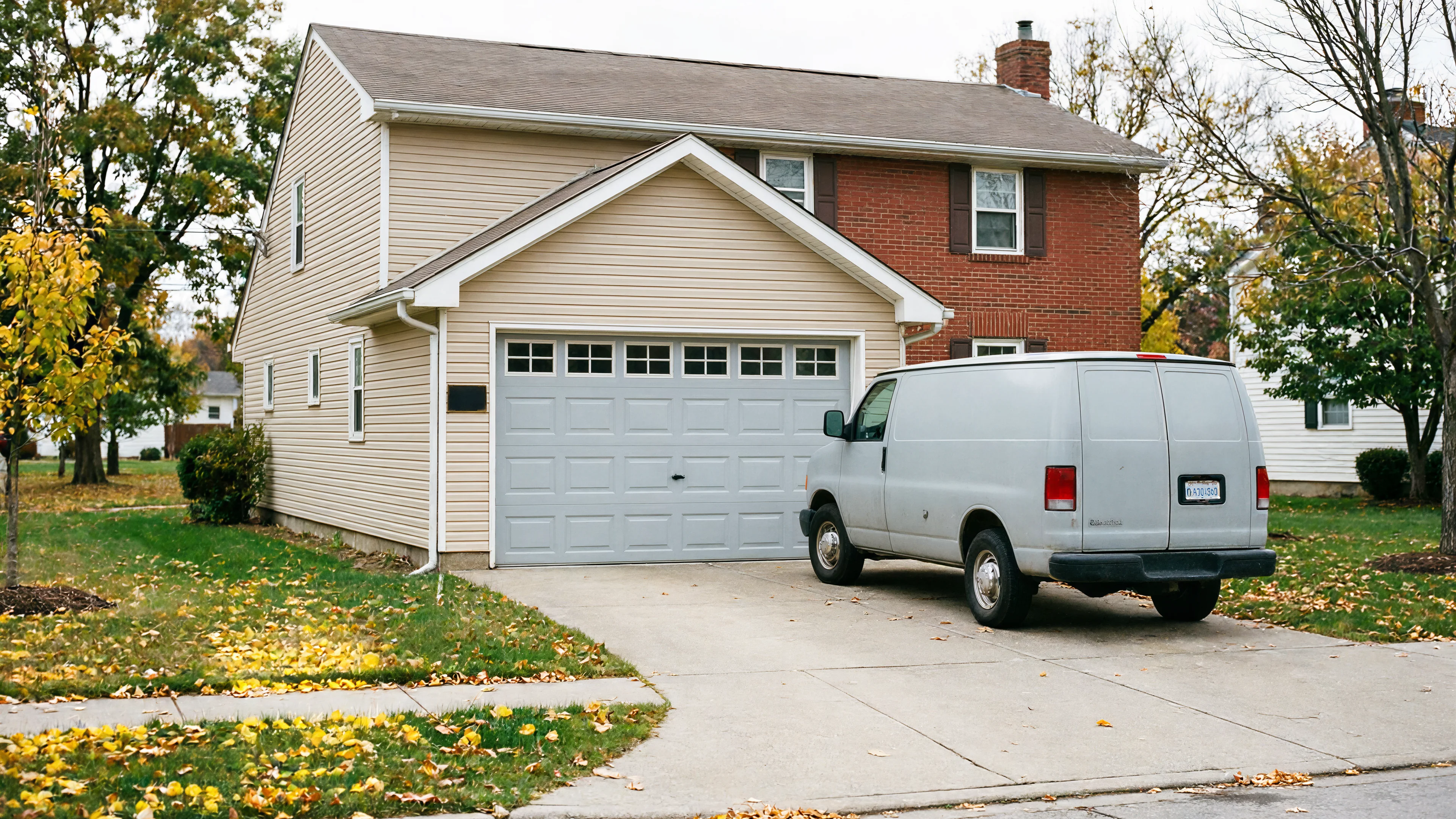
New Hope's housing stock mostly dates to 1969, which puts it ahead of the 1980s-90s construction that's typical across most of the service area under F2. A door and opener installed around 1969 is more likely to run on older extension-spring hardware than the torsion systems that came standard later, and the opener - if it hasn't been swapped out - may predate the safety-sensor requirements added to later models. We carry standard torsion springs, extension spring sets, nylon and steel rollers, galvanized cable, and section hardware that covers both eras. What we don't stock on the truck is anything proprietary to a single old opener brand that stopped making parts years ago; those jobs sometimes mean a full opener swap rather than a repair, and we'll tell you that up front instead of ordering a part that takes two weeks to land.
The repair
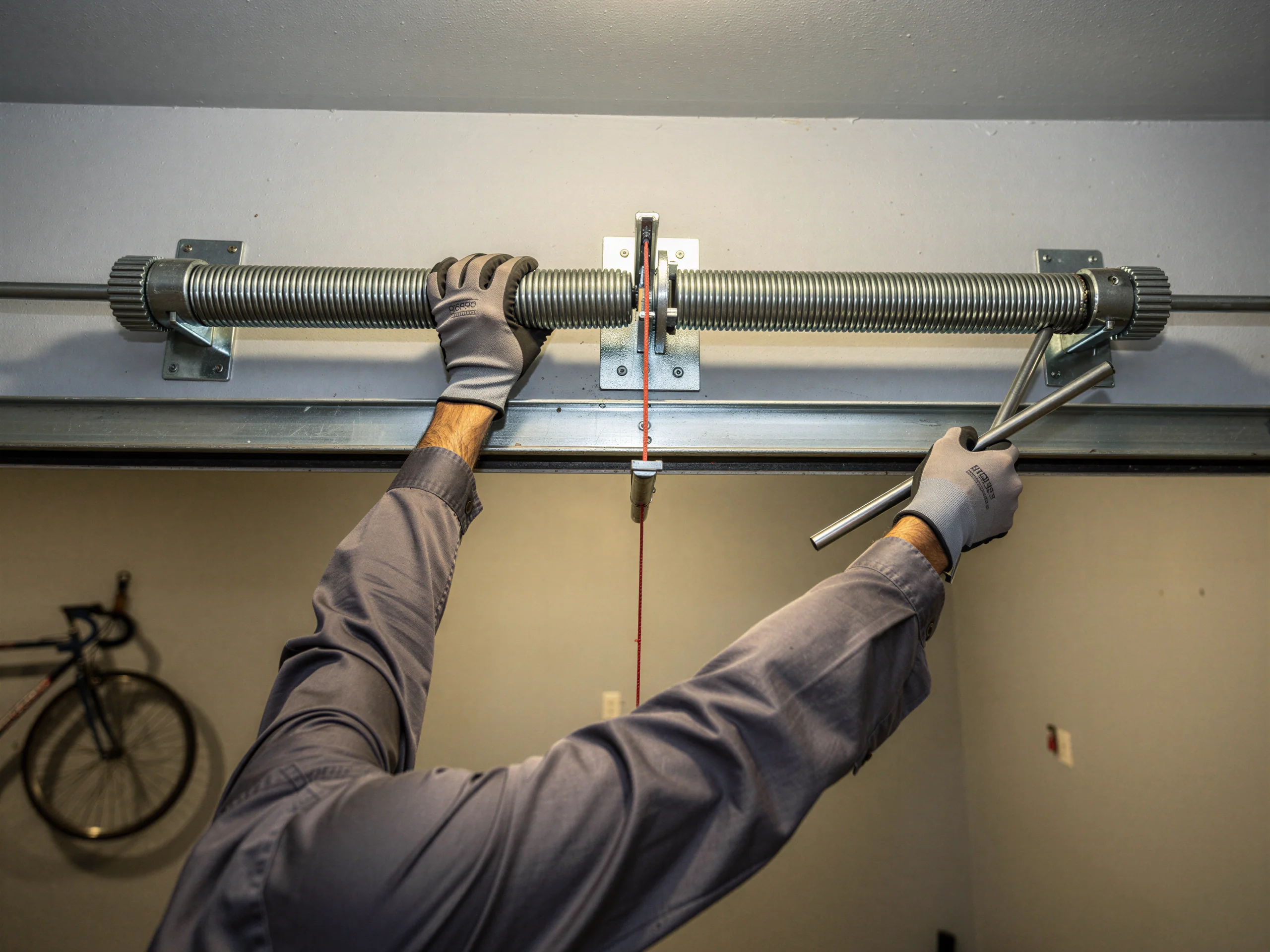
A broken spring on a 1969-era door often means we're replacing extension springs rather than the torsion springs more common on newer installs - different mounting points, different safety cables, different cost.
Winter in this part of Minnesota is a severe cold climate, and cold steel gets brittle; a spring that's been fraying all fall is more likely to snap on the first hard freeze.
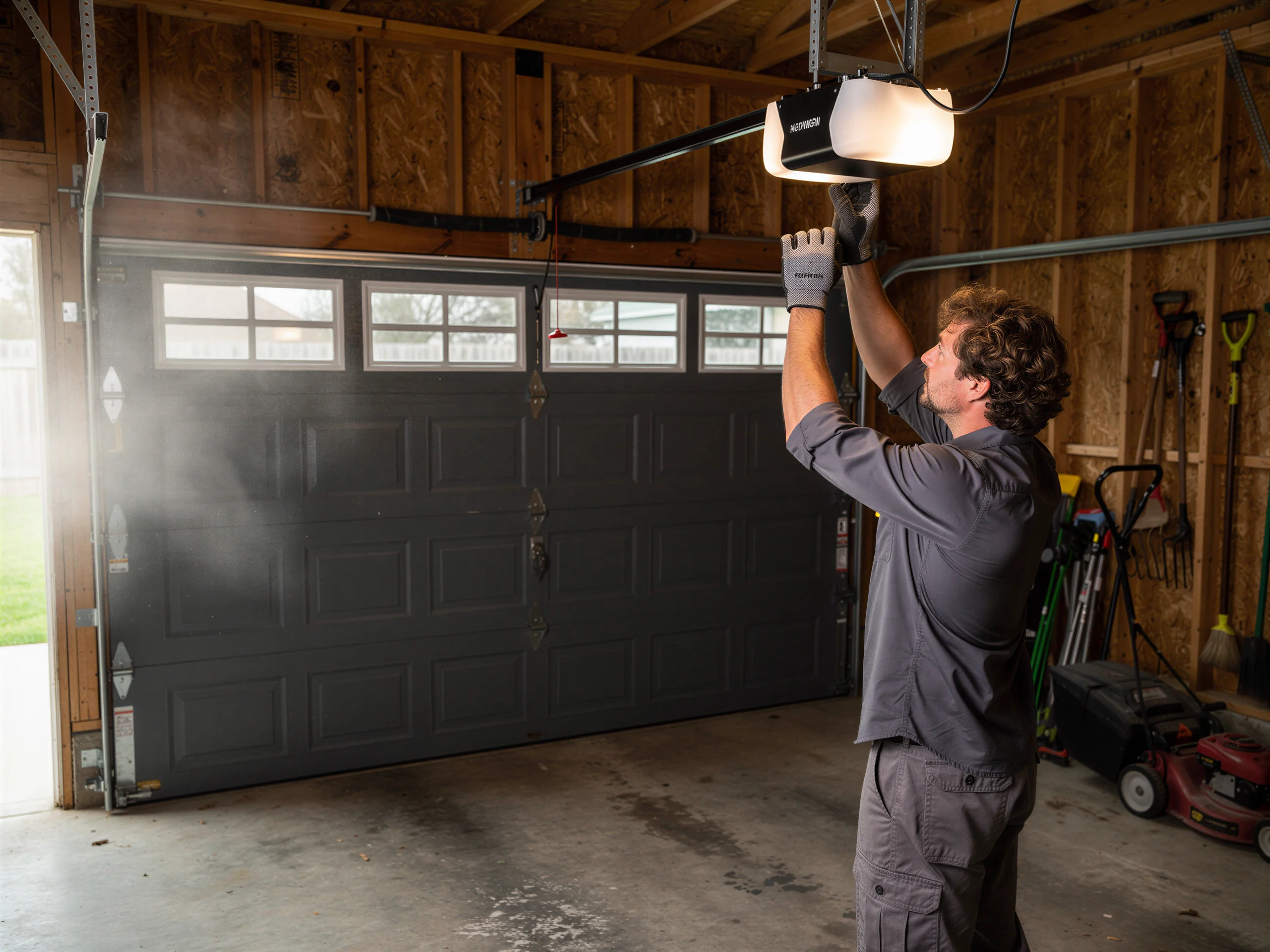
If the opener has never been replaced, a repair call sometimes turns into a conversation about swapping it rather than patching it, since a 50-plus-year design doesn't always have the auto-reverse safety features required now.
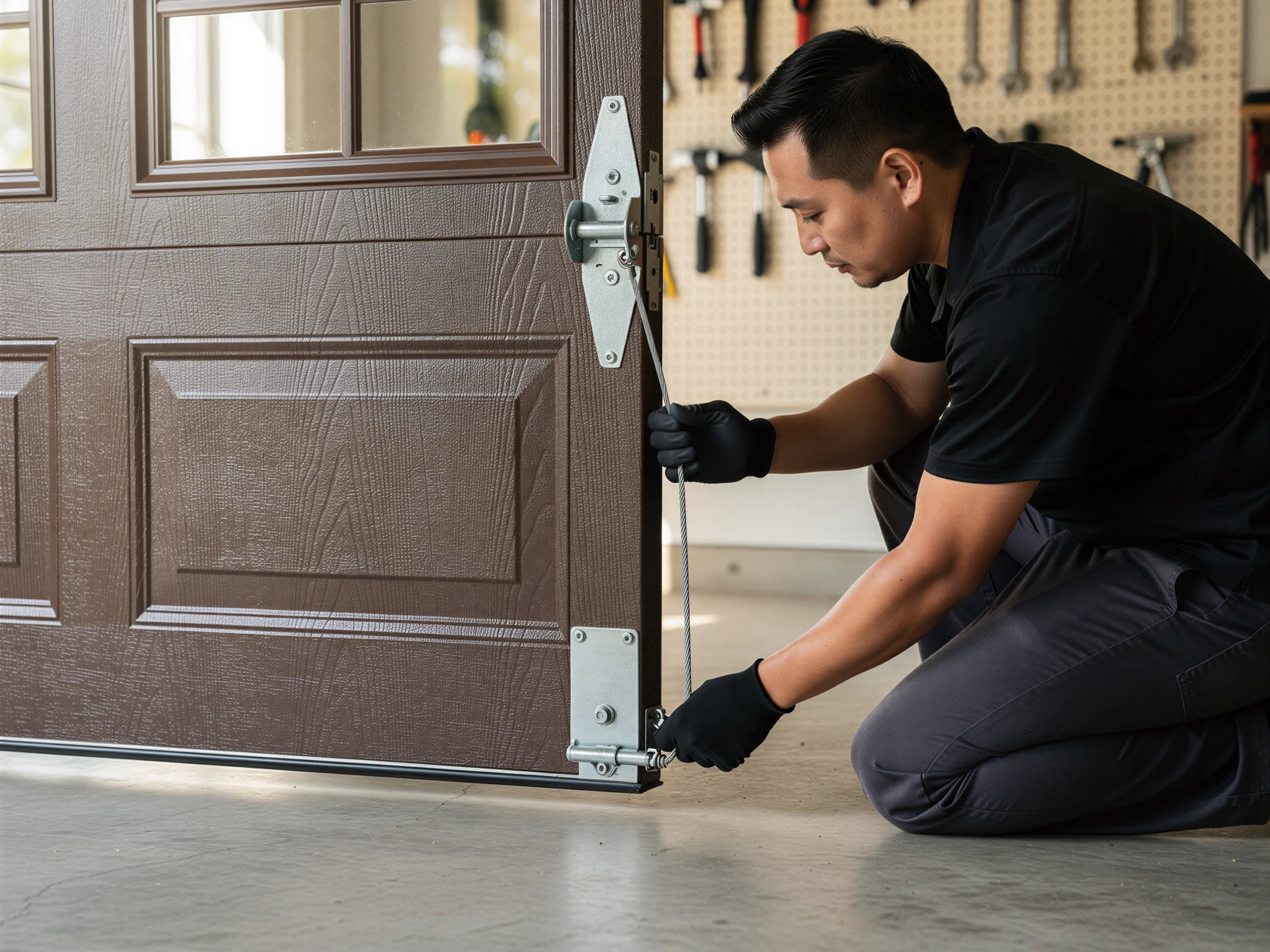
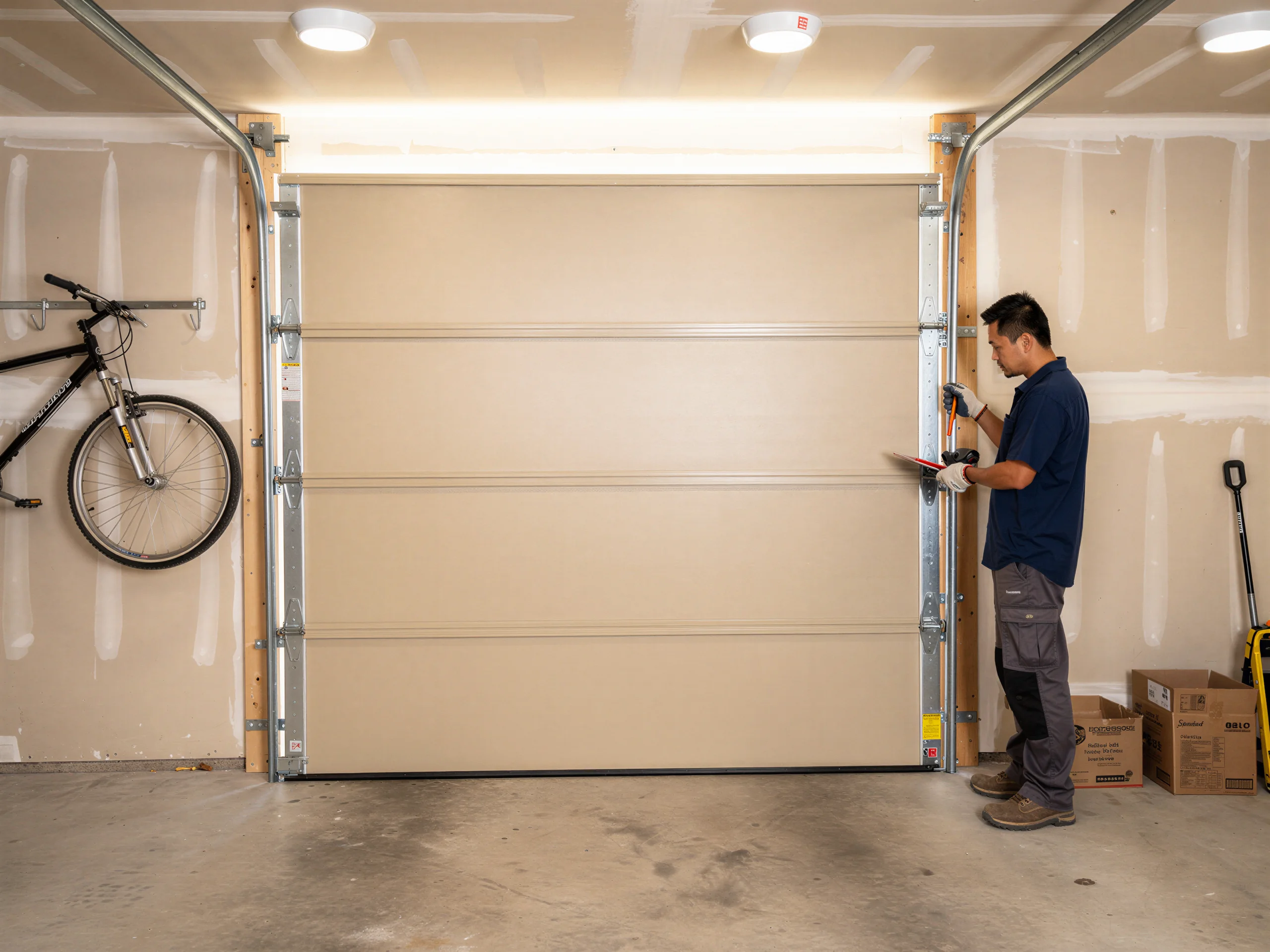
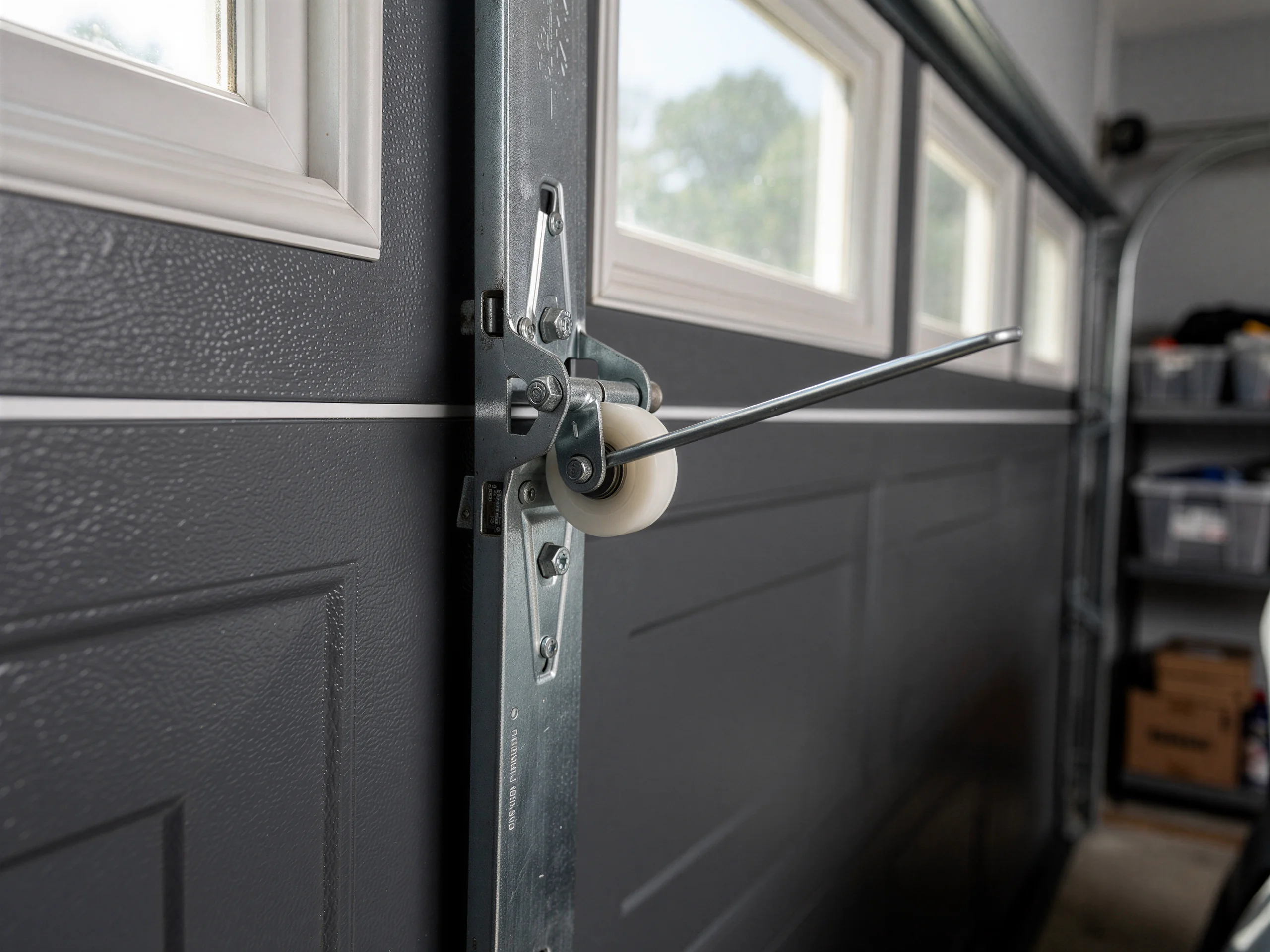
We check the track alignment, the cable condition, the roller wear, and the opener's force settings before we touch anything - a door that looks like a spring problem is sometimes a bent track instead, and replacing the wrong part doesn't fix it.
Downtime
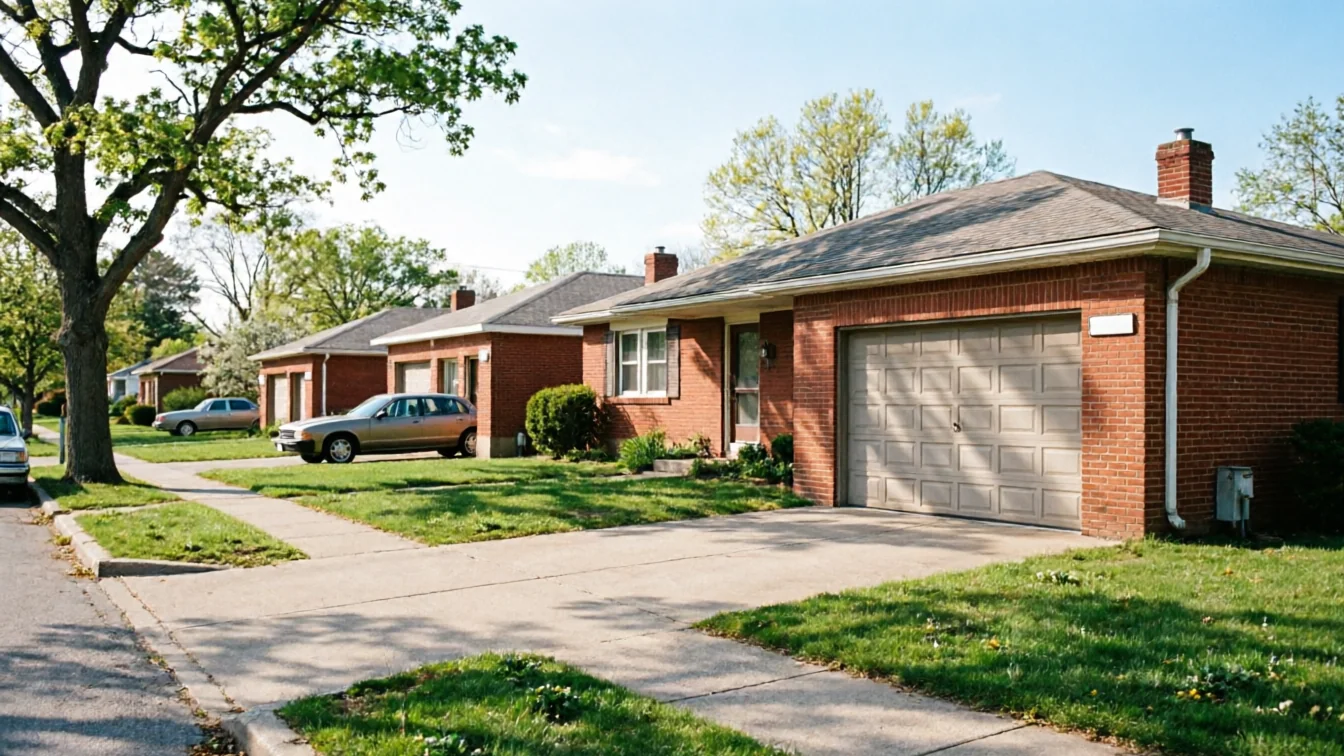
We run this call out of Plymouth, about 4 miles from New Hope, so travel isn't the long part of the job - the part that takes time is whether we're carrying the right hardware for a door this age on the truck already. A torsion spring swap on a standard newer door is usually a same-visit fix once we're on site. A door still running original 1969 extension hardware, or an opener old enough that no current part fits it, sometimes means a second trip once the right piece is in hand. We'd rather tell you that before we start than have you wait by a half-open door for a part we didn't actually have.
Symptoms
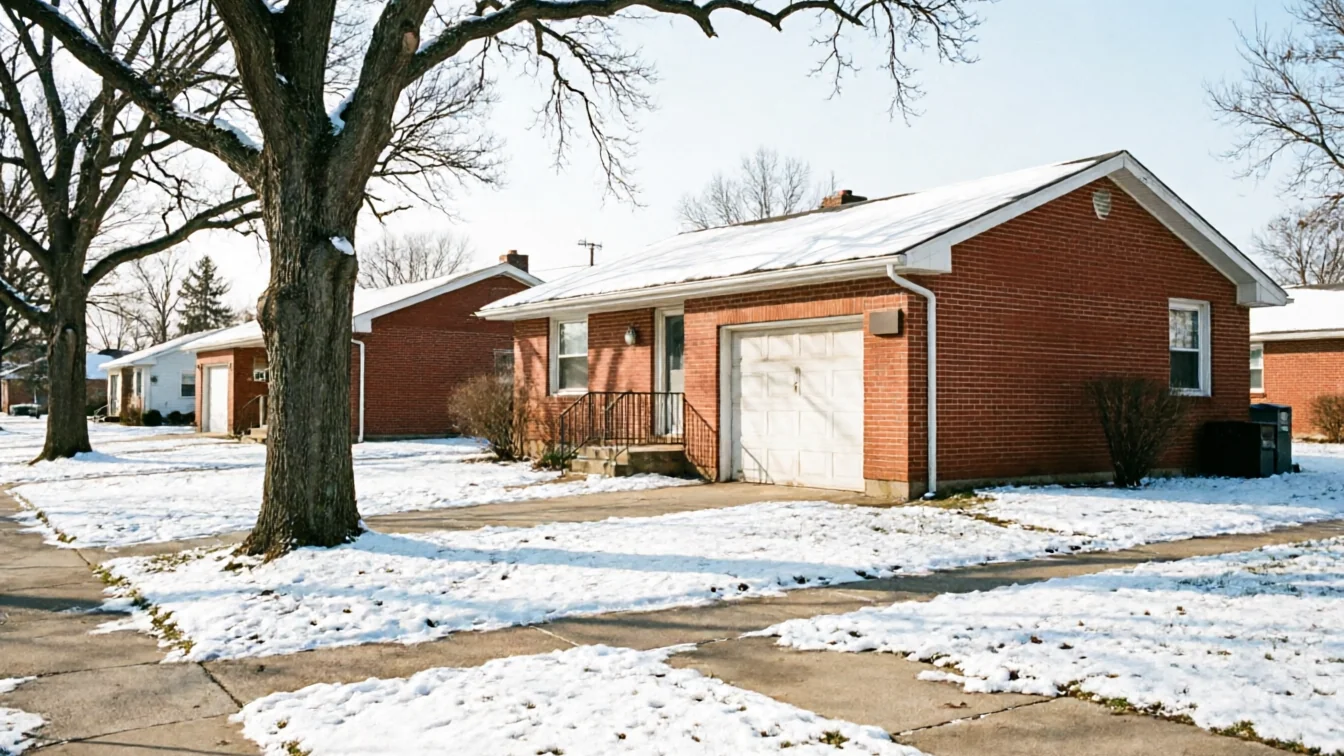
A door that drops suddenly, won't stay up on its own, or needs a hard shove to start moving is almost always a spring problem - on a house this age, more likely an extension spring if the original setup is still in place. Grinding or popping during the first foot of travel points to rollers or a bent track. A door that reverses right after it touches the floor, or won't close at all, is usually the opener's force setting or a misaligned safety sensor, not the spring. The 9,114 households in New Hope span a range of ages and upgrades, so no two symptoms here point to the same repair automatically - tell us what the door is doing and when, and we'll know what we're walking into before we open the truck.
Questions
Not usually. Most houses here date to 1969, and plenty of those doors have been replaced or upgraded since. The hardware era matters more than the house's age - if the spring and opener are original, parts take a bit more sourcing, but that's a repair conversation, not an automatic replacement.
No. We work out of Plymouth, about 4 miles away, and cover New Hope as part of that service area. There's no separate New Hope location.
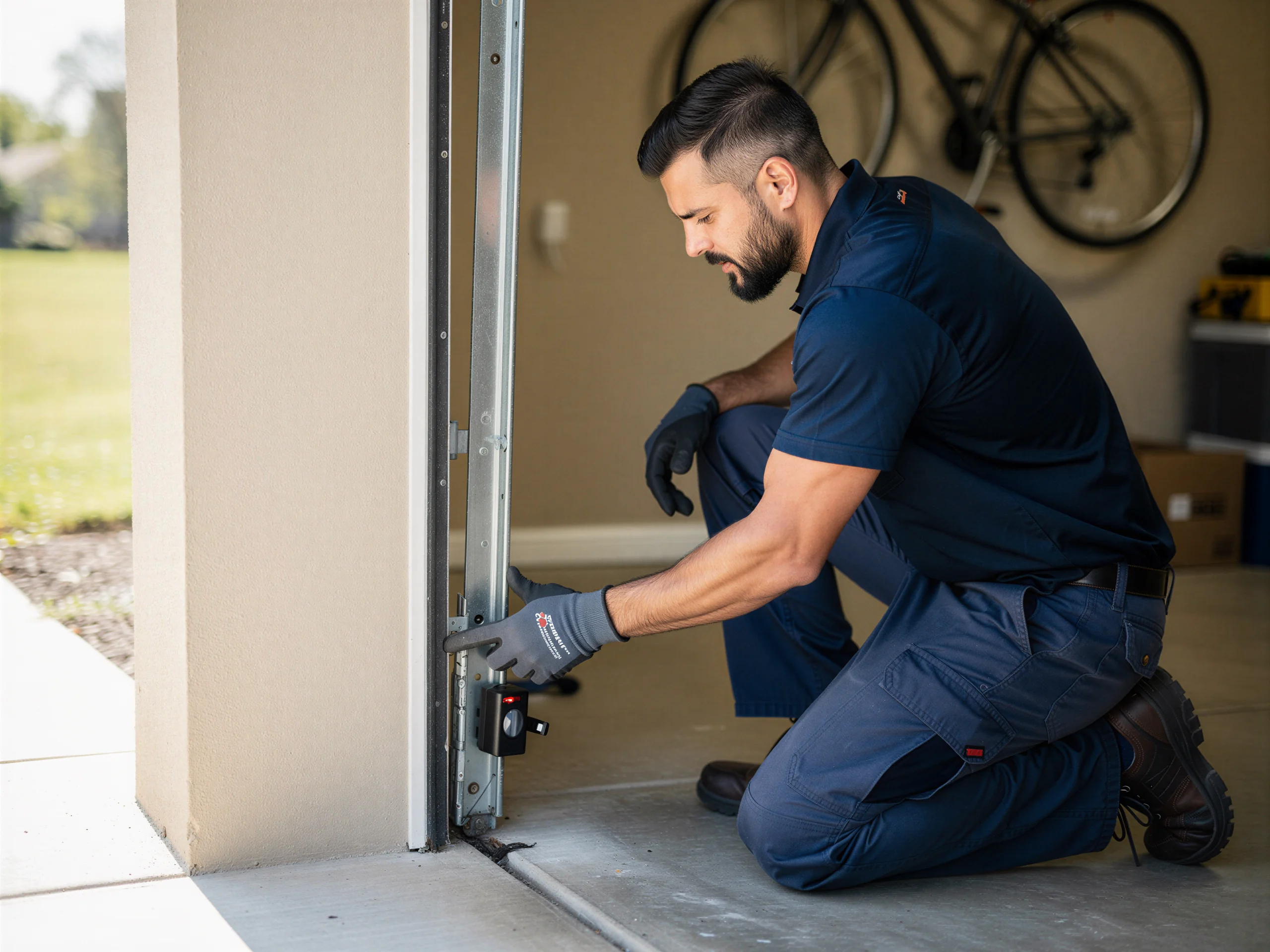
That's almost always the opener's close-force setting or a blocked or misaligned safety sensor near the floor, not a spring issue. It's a quick thing to check on site and usually doesn't require replacing parts.
Depends on what's broken and how old the hardware is. A single spring or roller repair is almost always worth fixing. If the opener is original to a 1969 install and no longer has parts available, replacement can end up cheaper than chasing a repair.
Explore more
Ready when you are
Plymouth Garage Door Pros repairs and installs garage doors, springs and openers in Plymouth, MN and the surrounding area.