Serving Plymouth, MN & nearby(763) 280-3890
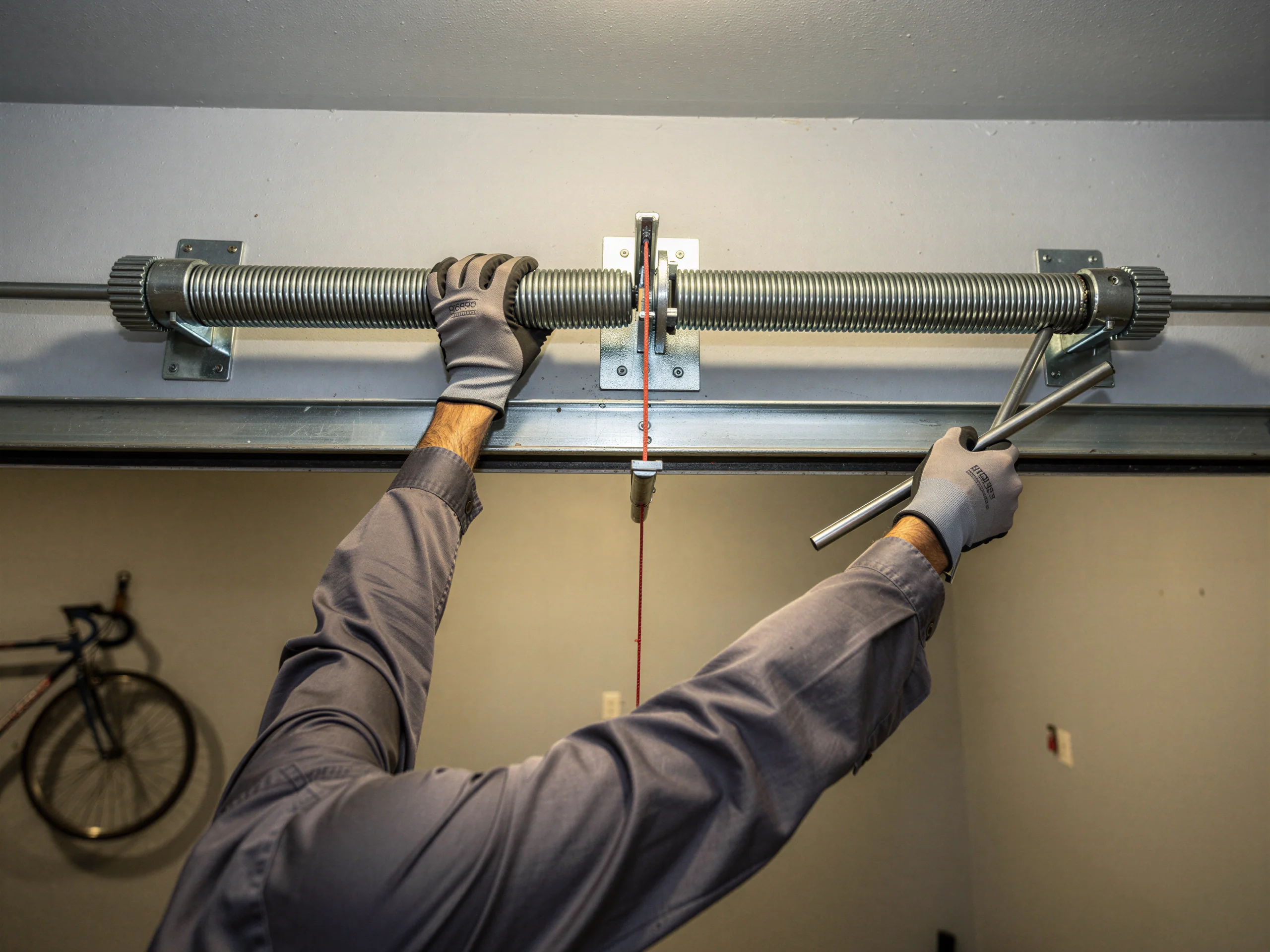
A technician adjusts a garage door torsion spring with winding bars.

New Hope, Plymouth

Spring Repair for New Hope's Older Garage Doors

New Hope's housing mostly went up around 1969, older than the wider service area. That means different spring hardware. We drive the 4 miles from Plymouth to fix it.

Serving Plymouth, MNBackground-checked techsHonest, upfront pricingFast local response

DIY or pro

Can You Do This Yourself

A torsion spring holds a lot of stored force, and on a New Hope house built anywhere near that 1969 median, you're often looking at hardware that's been replaced once or twice already by whoever owned the place before you.

Cone and shaft mismatch

That means the winding cone, the shaft, and the bearing plate might not match what came stock on the door. Guessing at spring size on a mismatched setup is how people end up in the ER with a broken wrist or a face full of torsion bar.

Coil gap visible from floor

If the spring is fully broken and the door is down, you can usually see the gap in the coil from the garage floor without touching anything - that's confirmation enough. Beyond that, leave the winding bars alone.

Pro spring handling speed

We're not going to pretend this is a weekend project just to pad out this section; it isn't, and a professional with the right size bar and a winding cone that actually fits your shaft handles it in under an hour once we're on site from Plymouth.

On the truck

Parts We Carry

New Hope is a small place - about 9,114 households - and a lot of its garage doors trace back to that same build era, which narrows down what we need to carry rather than widens it. Doors from the late 1960s and 1970s commonly run 18-gauge or 20-gauge torsion springs on a 1-inch shaft, often a single spring on a single door rather than the dual-spring setups you see on newer double-wide garages. We stock standard torsion springs sized for that shaft and door weight, plus the winding cones and center brackets that wear out alongside them. What we don't stock on the truck is anything custom - a spring built for an aftermarket door someone installed outside the original frame. That's a special-order part, and we'll tell you up front if your job needs one instead of promising same-visit parts we don't have.

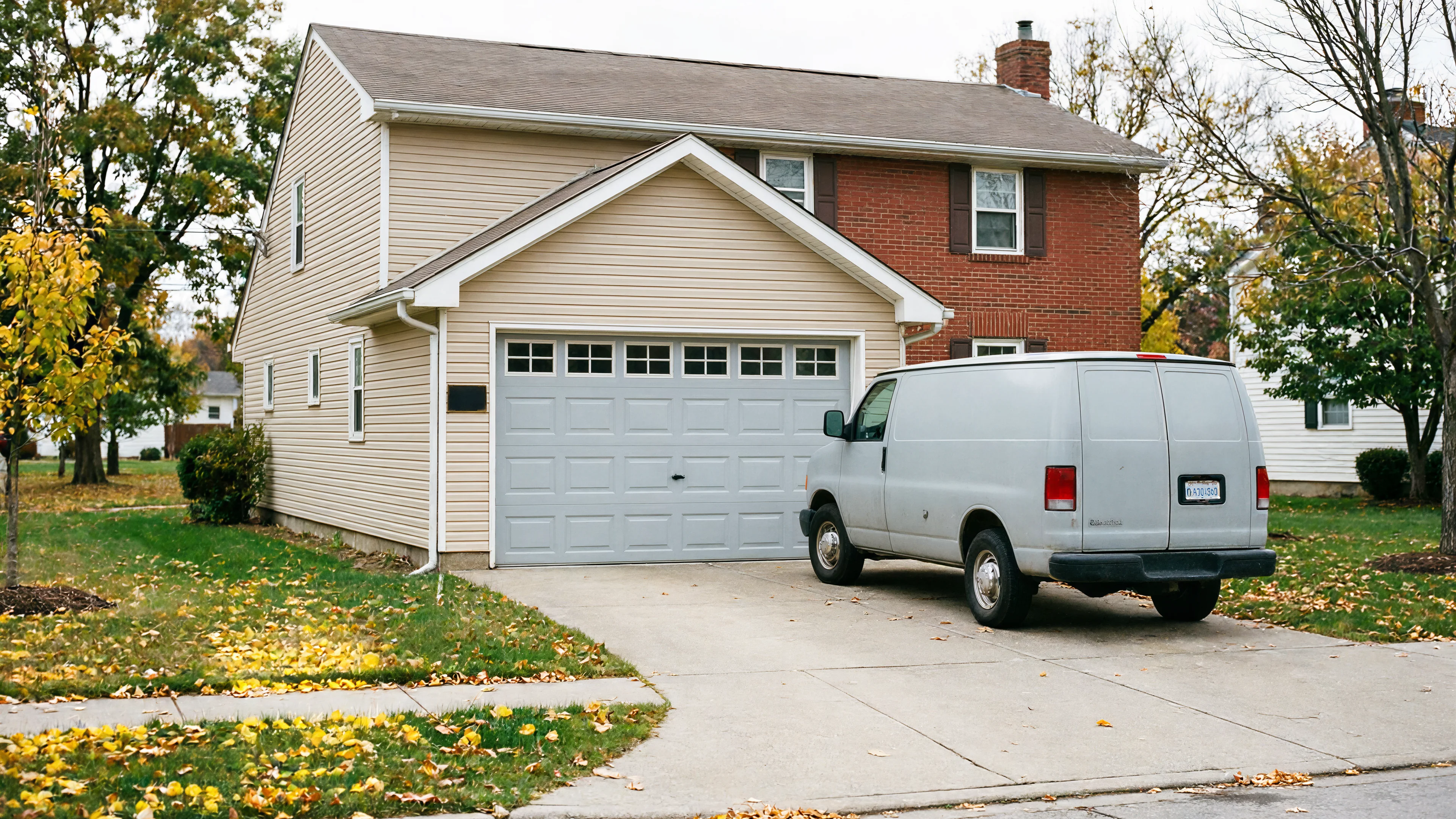
A light gray service van is parked in a driveway next to a house.

The repair

What the Fix Involves

On a house from the 1969 era, the first thing we check isn't the spring itself but the drum and the end bearing plate, because original hardware from that period has usually outlived at least one replacement cycle and the mounting points can be worn oval instead of round.

Winding bars and measured torque

We back the old spring off with winding bars, pull the broken halves off the shaft, slide the new spring on, and set torque to match the door's actual weight - not a guess, a measured one with a spring scale on the bottom bracket.

Scored drums and bearings

If the drum or bearing is scored from years of an undersized spring fighting the door, we replace those too rather than bolt a new spring to worn parts that'll just eat it early. We check cable fit and balance before we leave, because a spring that's slightly off-weight shows up fast on an older, heavier wood-core door.

Downtime

How Long You Are Without the Door

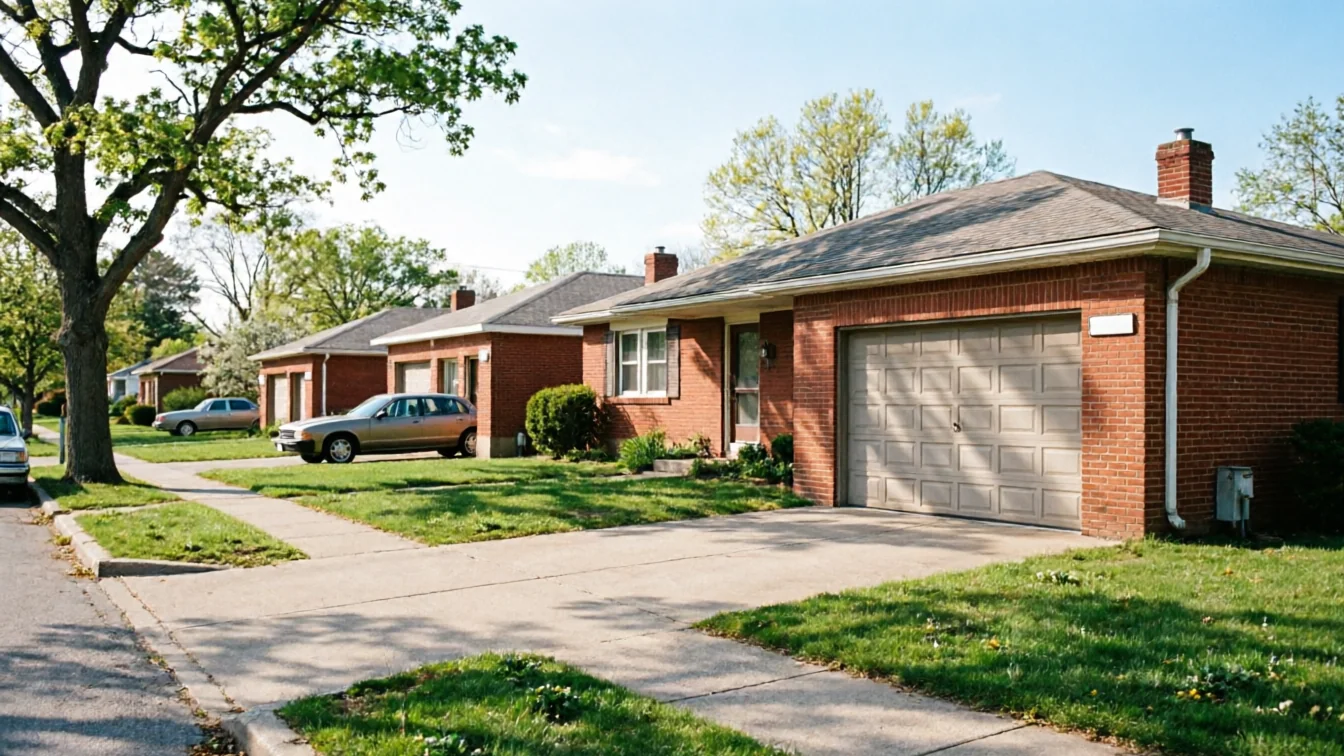
A light brown garage door on a brick house with a green lawn.

For a standard single-spring torsion job on the kind of door common to New Hope's older stock, the door is back in service the same visit - typically 45 minutes to an hour once the technician is set up, plus the drive in from Plymouth. If the bearing plate or drum needs replacing too, add another 20 to 30 minutes. The door isn't driveable or liftable safely while we're mid-repair, so plan to park in the driveway for that window. Where it runs longer is a custom spring that has to be special-ordered - if your door's been modified from original, we'll give you a real timeline for that part rather than a guess, and in a lot of those cases it's a day or two wait, not a same-day fix.

Symptoms

The Symptom

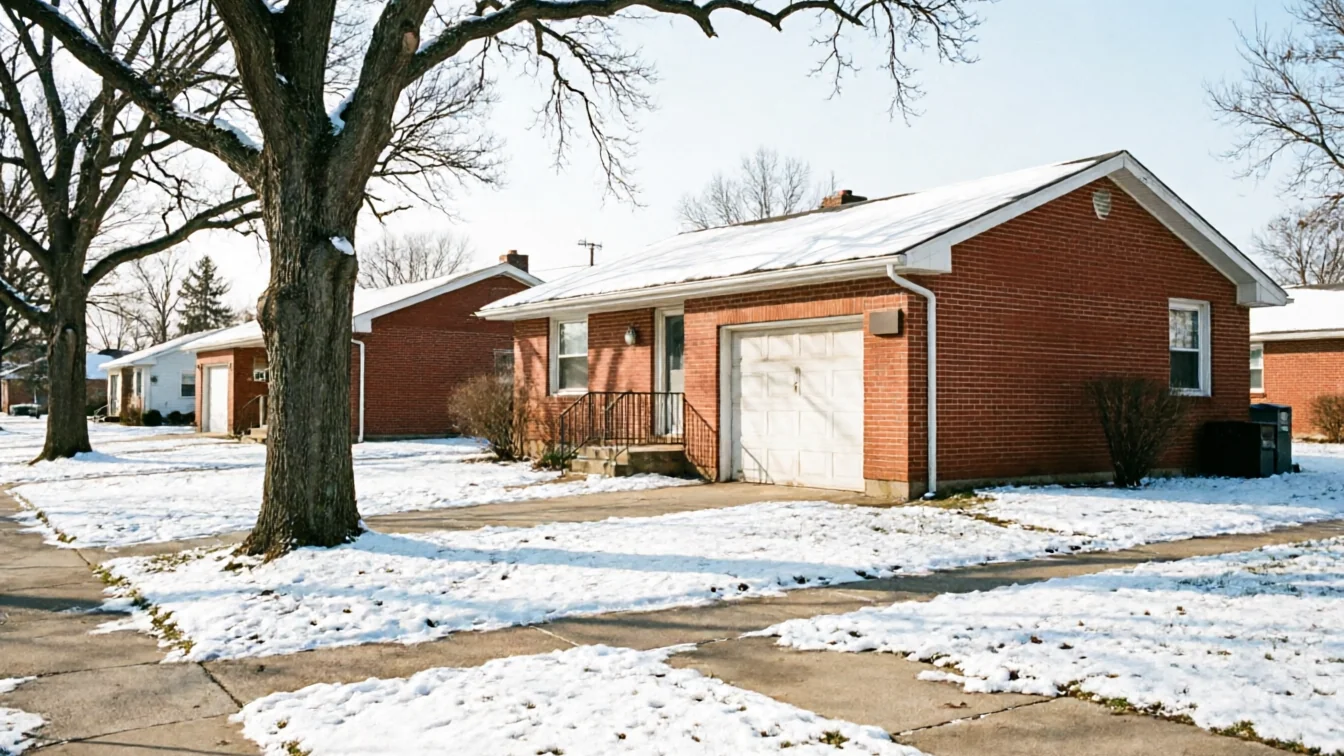
A white garage door on a red brick house with snow on the ground.

The giveaway on a New Hope house tends to be the same whether the spring snaps clean or just fatigues: the door gets heavy fast, usually over a few weeks, before it fails outright. You'll notice the opener straining, maybe grinding, or the door reversing itself partway up. Minnesota's cold winters are hard on torsion springs generally - the metal gets brittle in deep cold and a spring that's been slowly losing tension will often choose a sub-zero morning to finally go. If you hear a loud bang from the garage in January, that's almost always the spring, not the opener. Don't run the opener again until it's fixed; forcing a dead spring through the opener motor is how you turn a spring job into a spring-and-opener job.

Questions

Common questions

Why does my New Hope house seem to need springs replaced sooner than newer homes nearby?

A lot of New Hope's housing dates to around 1969, which is older than the median for the wider service area. Original or early-replacement hardware on a house that age has had more decades of cycles, and in some cases earlier spring sizing simply wasn't matched to today's heavier insulated doors, so it wears out sooner.

Do you have a shop in New Hope?

No. Plymouth Garage Door Pros is based in Plymouth and drives the roughly 4 miles into New Hope for jobs. We don't claim a local depot or a guaranteed response window for New Hope specifically - we quote that when you call.

Can cold weather actually break a spring that was fine in summer?

Yes. Minnesota sits in a severe cold climate band, and torsion springs lose some flexibility in deep cold. A spring that's already fatigued from age or wrong sizing is far more likely to snap on a cold morning than in July, even though the underlying wear happened months earlier.

Is it worth replacing just one spring if I have two?

On a double-spring door, we generally recommend replacing both at once, since the second one is usually close behind on wear even if it hasn't broken yet. We'll look at the actual spring and tell you honestly if it's holding up fine - we don't replace parts that don't need it.

Explore more

More Services in New Hope

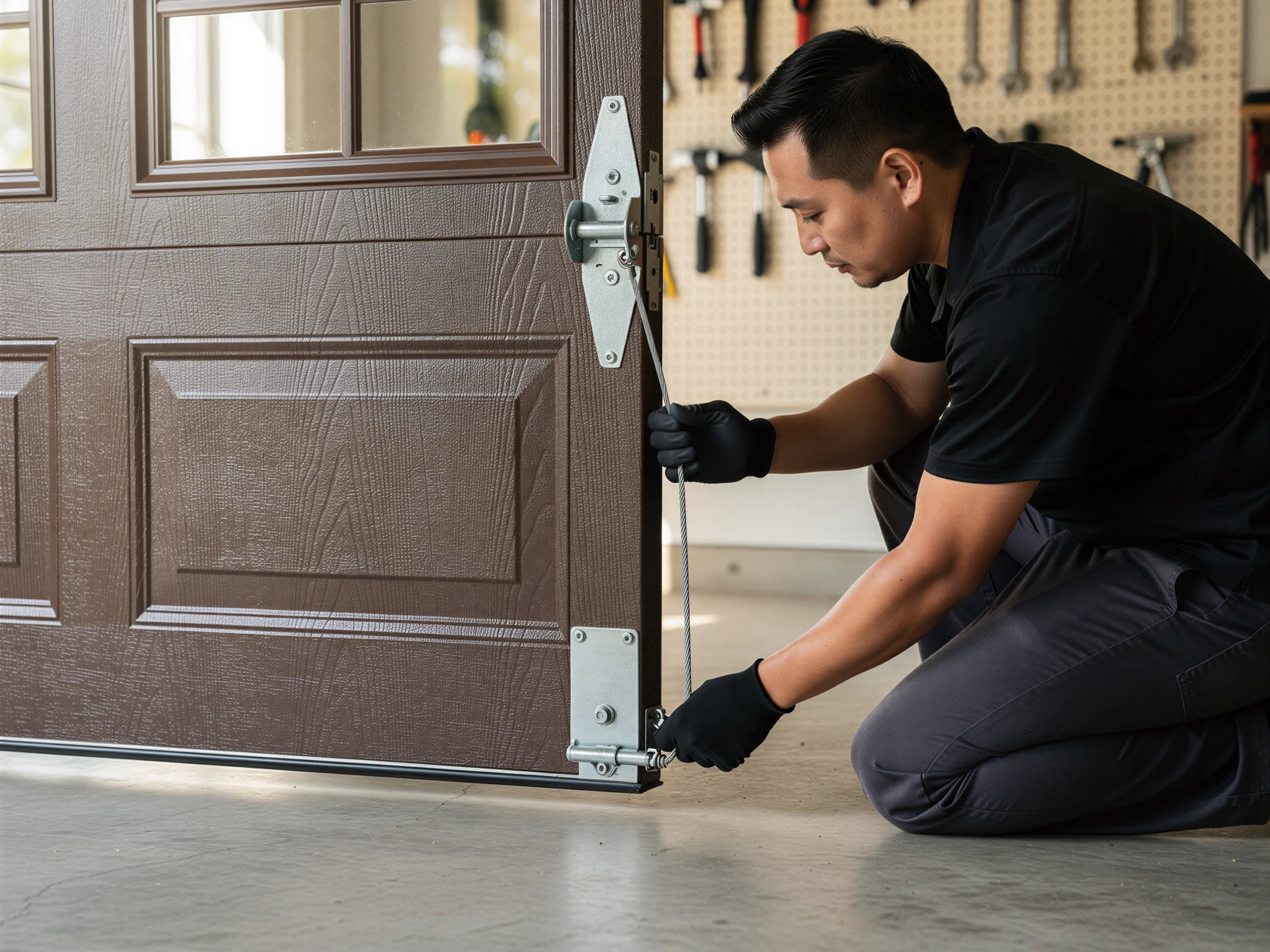
A technician in black gloves works on the bottom of a brown garage door.

Cable Repair

New Hope homes built around 1969 often still run original cable drums and fixed-end brackets. Learn more →
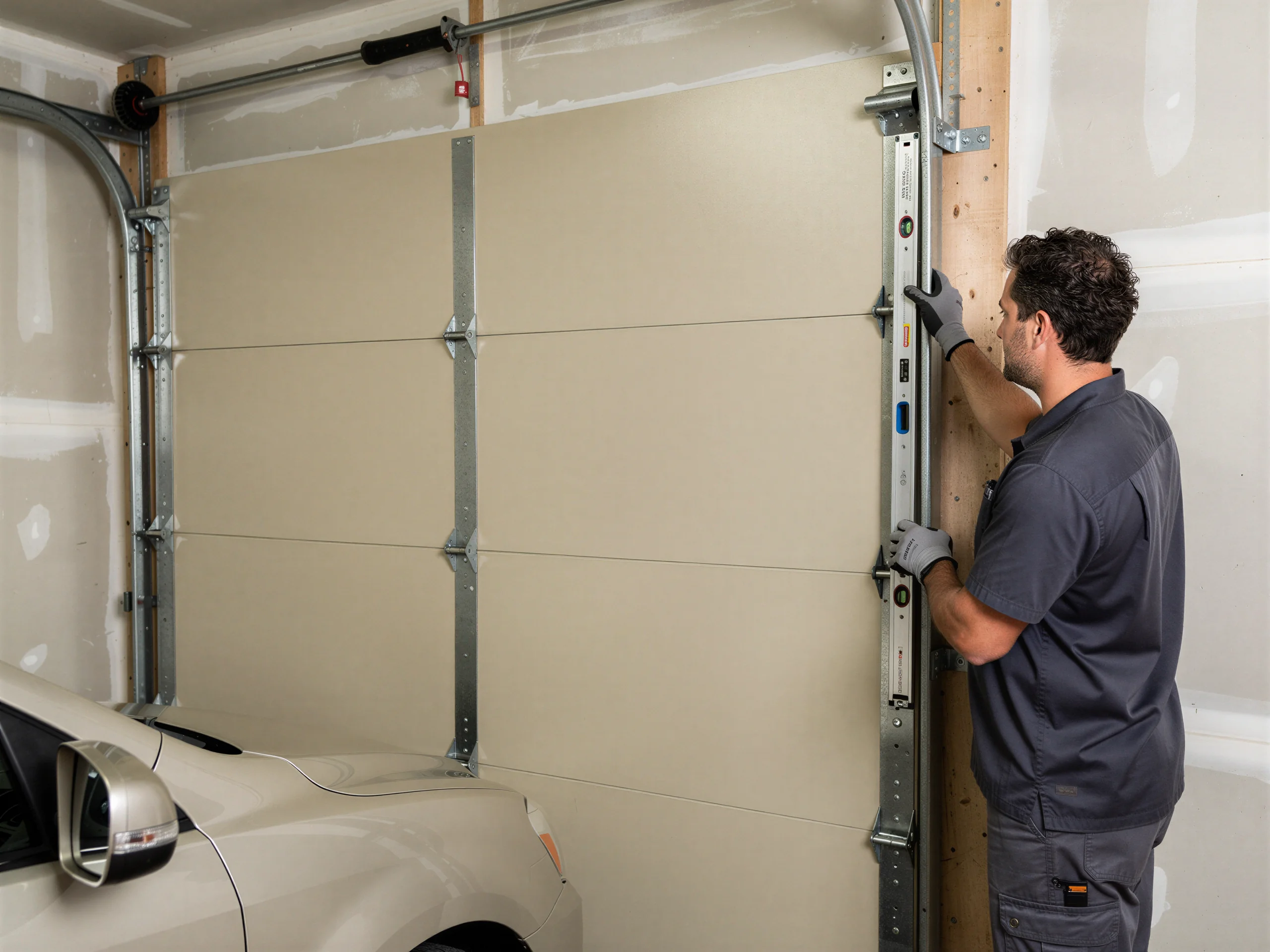
A technician uses a level to adjust the garage door track next to a car.

Garage Door Repair

New Hope's houses mostly date to 1969, older than the rest of the service area. Learn more →
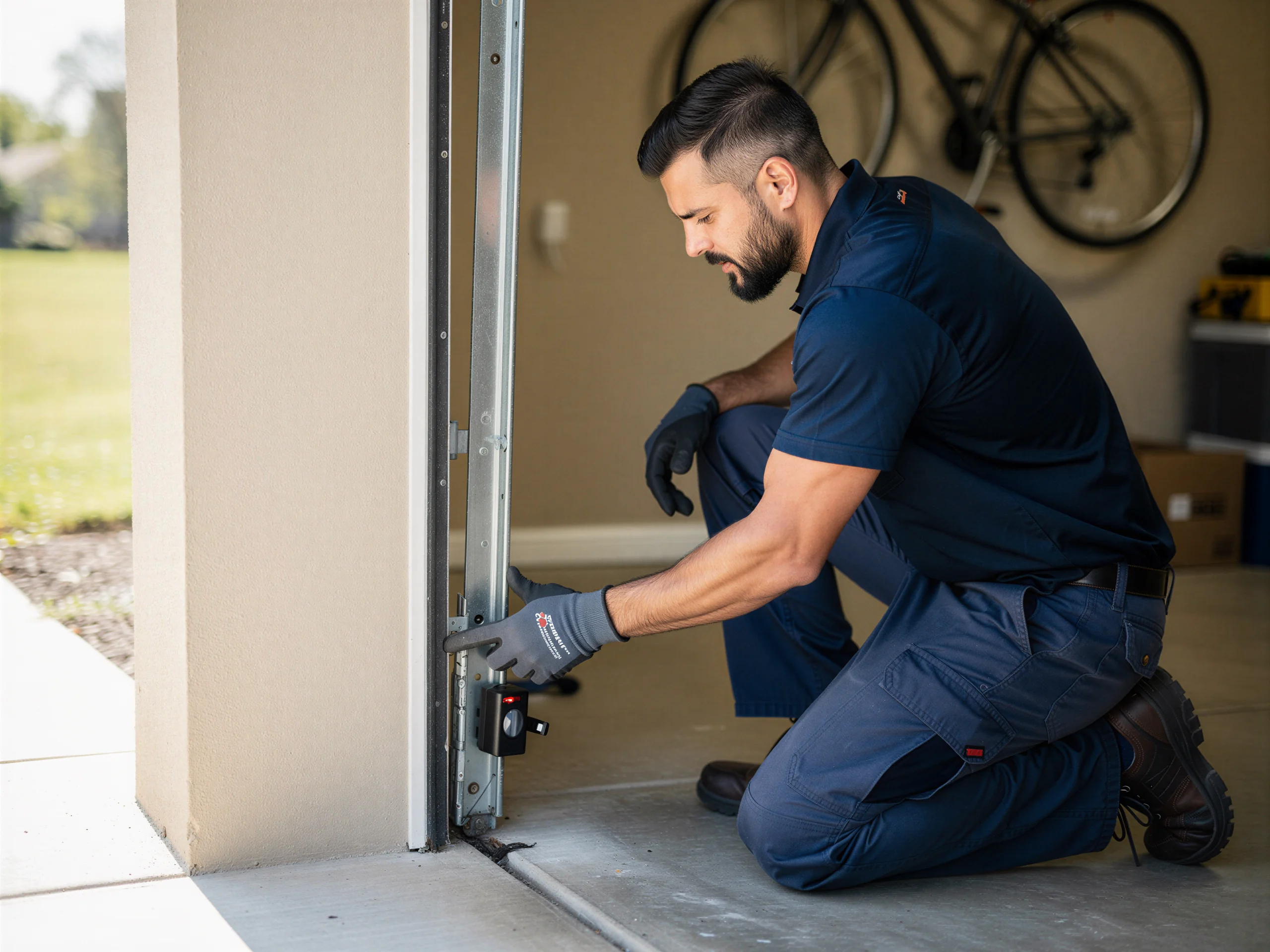
A technician kneels, adjusting a garage door sensor on the track.

Garage Door Service

New Hope's housing mostly dates to 1969, well ahead of the service area's 1982 median. Learn more →
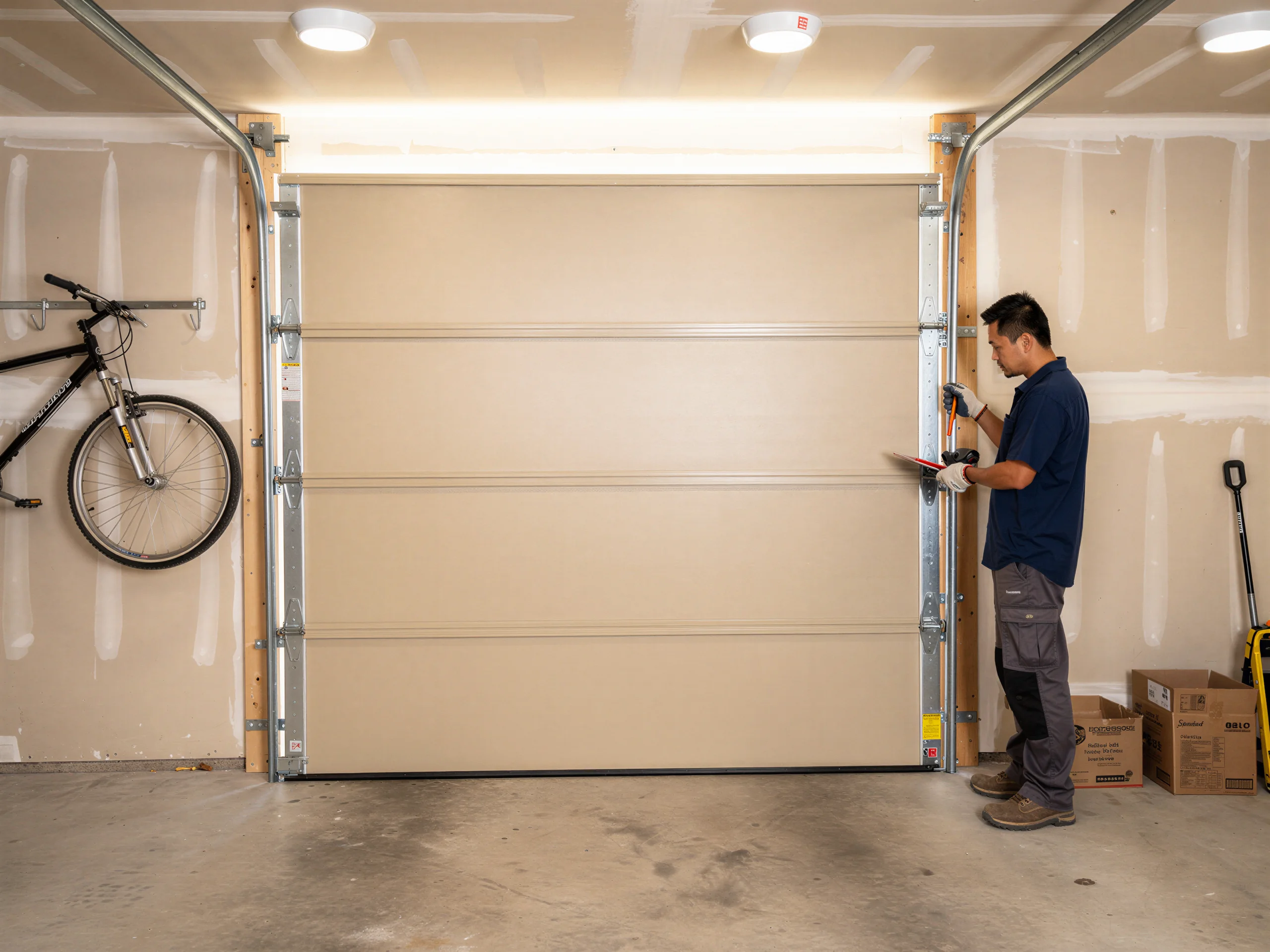
A technician inspects a closed tan garage door with a bicycle hanging on the left wall.

New Door Installation

New Hope's housing stock runs older than most of the area around it. Learn more →
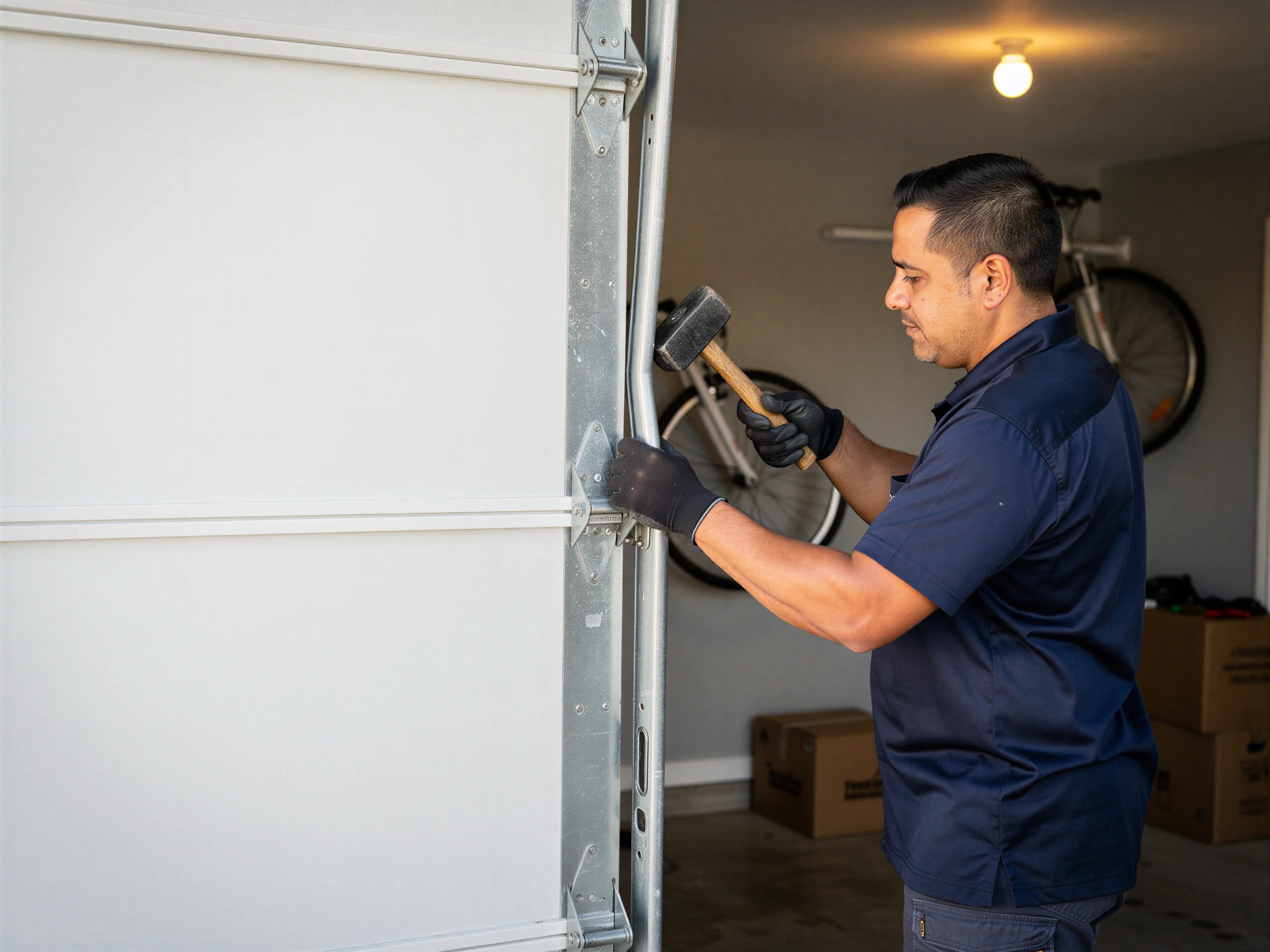
A technician in black gloves uses a hammer on a white garage door track.

Off Track Repair

New Hope's 1969-era garages ran narrow steel doors on lighter track. Learn more →
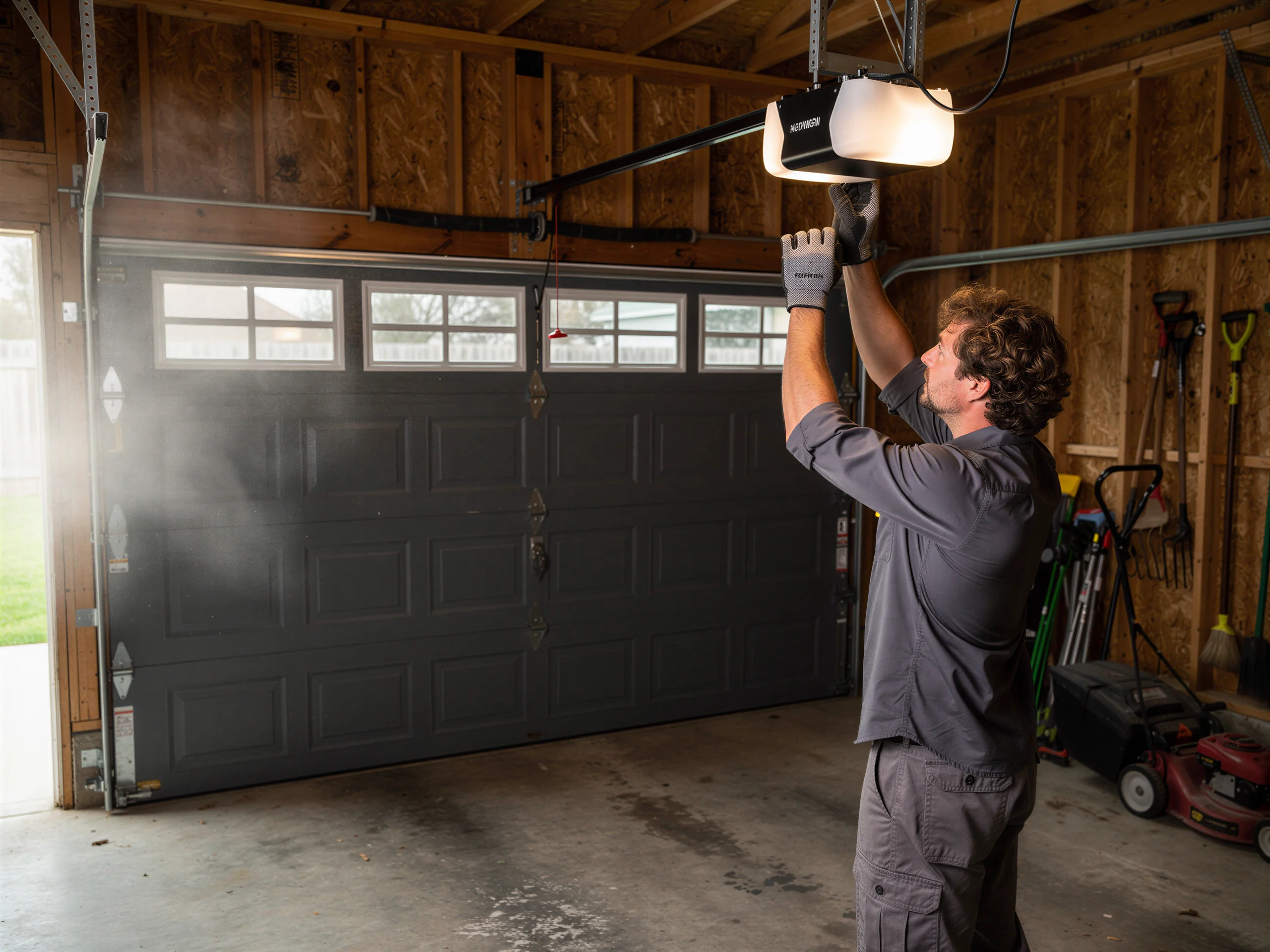
A technician adjusts a garage door opener above a dark gray garage door.

Opener Installation

Opener installs for New Hope's 1969-era homes, built before modern safety sensors were standard. Learn more →
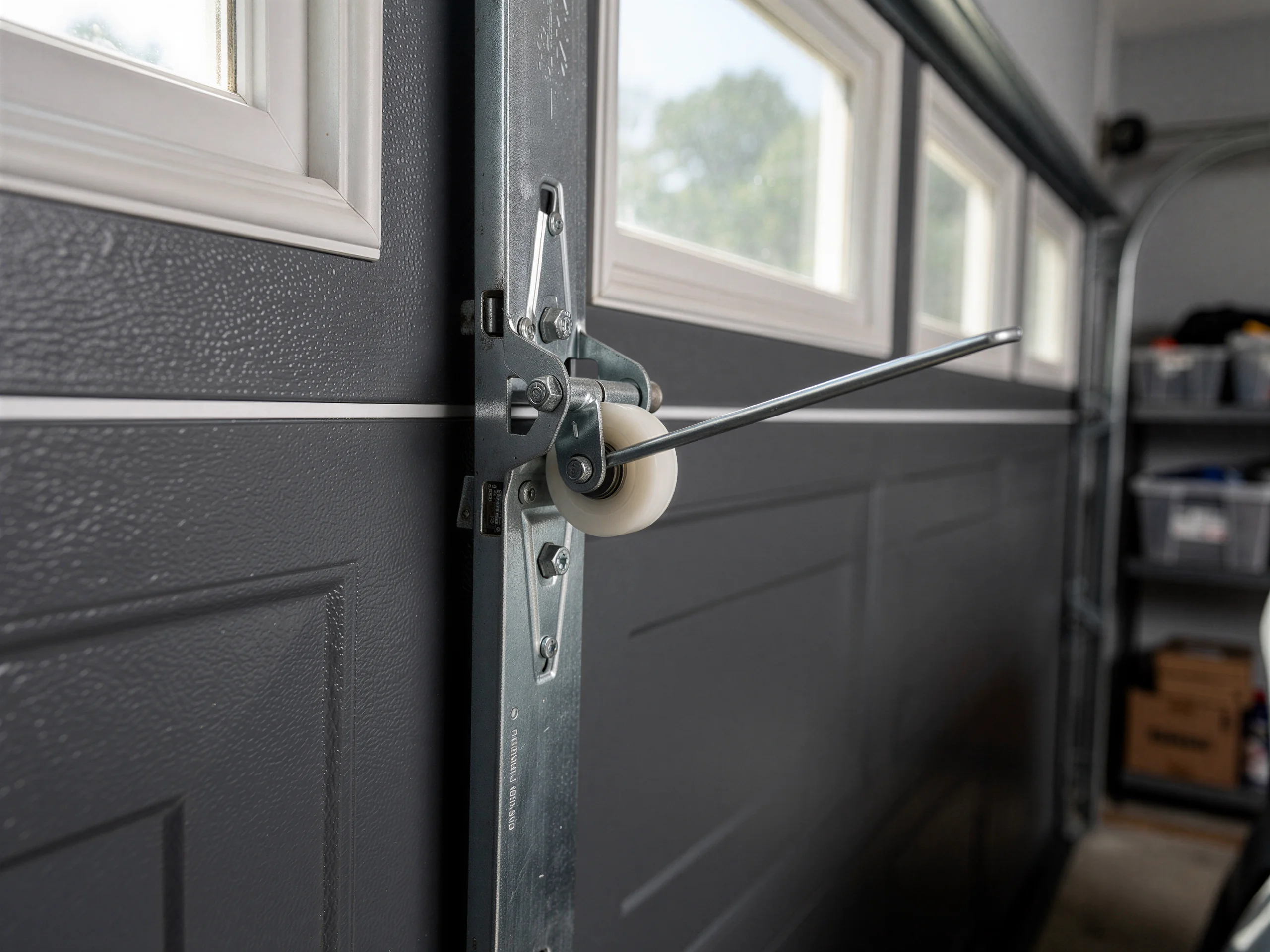
A garage door roller is attached to a dark gray garage door panel with windows.

Roller Replacement

New Hope homes mostly date to the late 1960s, old steel rollers and track wear are common. Learn more →

Ready when you are

Need a garage door sorted in Plymouth?

Plymouth Garage Door Pros repairs and installs garage doors, springs and openers in Plymouth, MN and the surrounding area.

CallGet a quote