
Stripped drive gear
On a chain-drive unit from the 1980s, the first points to a stripped drive gear inside the housing - a known failure point once a unit's logged three-plus decades of winters.
Wayzata, Plymouth
Wayzata homes median from 1985 still run original chain-drive openers. Plymouth Garage Door Pros installs cold-rated replacements, 4 miles from our shop.
The repair
Wayzata's housing stock centers on 1985, which means a lot of garages still have their original opener - a chain-drive unit built for a door half the weight of what's common now, with a motor sized at a time when nobody worried about insulated steel panels or battery backup.
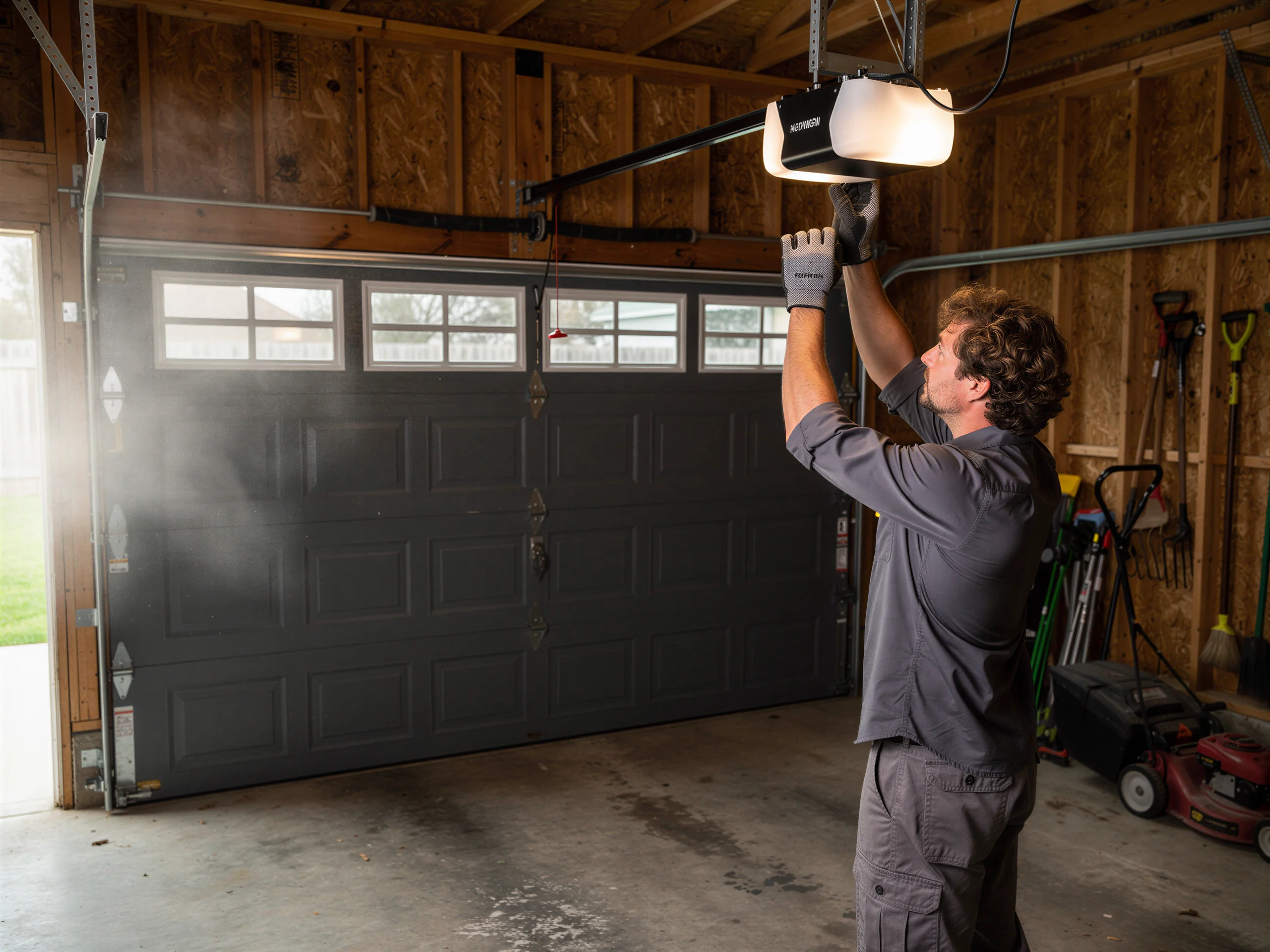
Installing a new opener here usually means swapping the whole head unit, not just a logic board, because the mounting bracket, rail length, and drive system on a unit that old rarely match current hardware.
We pull the old unit, check the header for a solid mounting point (older framing sometimes needs a reinforcement bracket), and set the new opener to match the door's actual weight and spring tension rather than guessing.
On a cold-climate install we also pay attention to the gear housing and belt material - some belt-drive units get stiff and noisy below freezing if they're not rated for it.
Symptoms
The call usually starts one of two ways: the opener runs but the door doesn't move, or the door reverses itself halfway up for no visible reason.
On a chain-drive unit from the 1980s, the first points to a stripped drive gear inside the housing - a known failure point once a unit's logged three-plus decades of winters.
The second points to a worn trolley or a chain that's stretched enough to lose tension, which shows up more in homes where the garage sits unheated through a Minnesota winter.
Either way, by the time a unit from that era is acting up, it's usually not worth chasing the specific part. The motor housings for openers that old are long out of production, and sourcing used parts to fix a 35-to-40-year-old drive train costs more in labor than a new unit.
Watch-outs
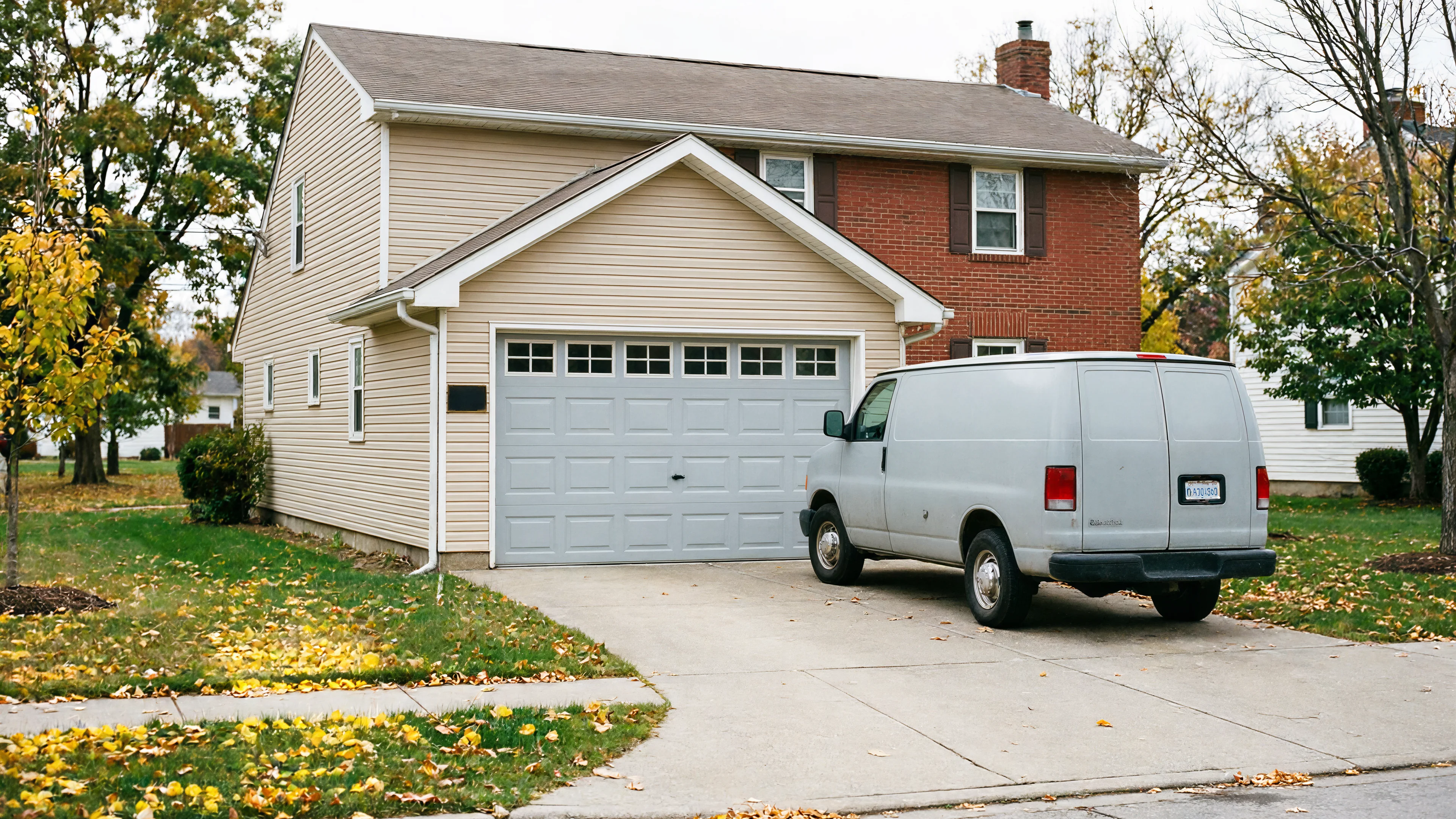
The trouble spot on an older Wayzata garage isn't the opener itself - it's what's behind it. A unit installed when the house was new sometimes predates the current setup for safety sensors or was wired directly into a switch loop that doesn't match how today's openers expect to be powered. We also run into header framing that was fine for a lightweight 1980s door but needs a backer board before it'll hold a heavier insulated door and a modern opener's torque. None of this is unusual for a build year around 1985, but it does mean a straight swap sometimes turns into an hour of bracket and wiring work we didn't quote over the phone. We'll tell you before we start if that's what we're looking at, not after.
Downtime
A standard swap - same rail length, no header work - is a same-visit job; the door goes back into service before we leave.
If the header needs reinforcing or the wiring has to be redone because of how the original circuit was run, that adds time to the same appointment rather than a second trip in most cases.
We don't stock every rail length on the truck, so if your garage needs an unusual extension - longer than standard for a high-ceiling door - that part may need to be ordered, which means the door sits on manual operation for a few days until it arrives. We'll know within the first ten minutes on site whether that applies.
Booking
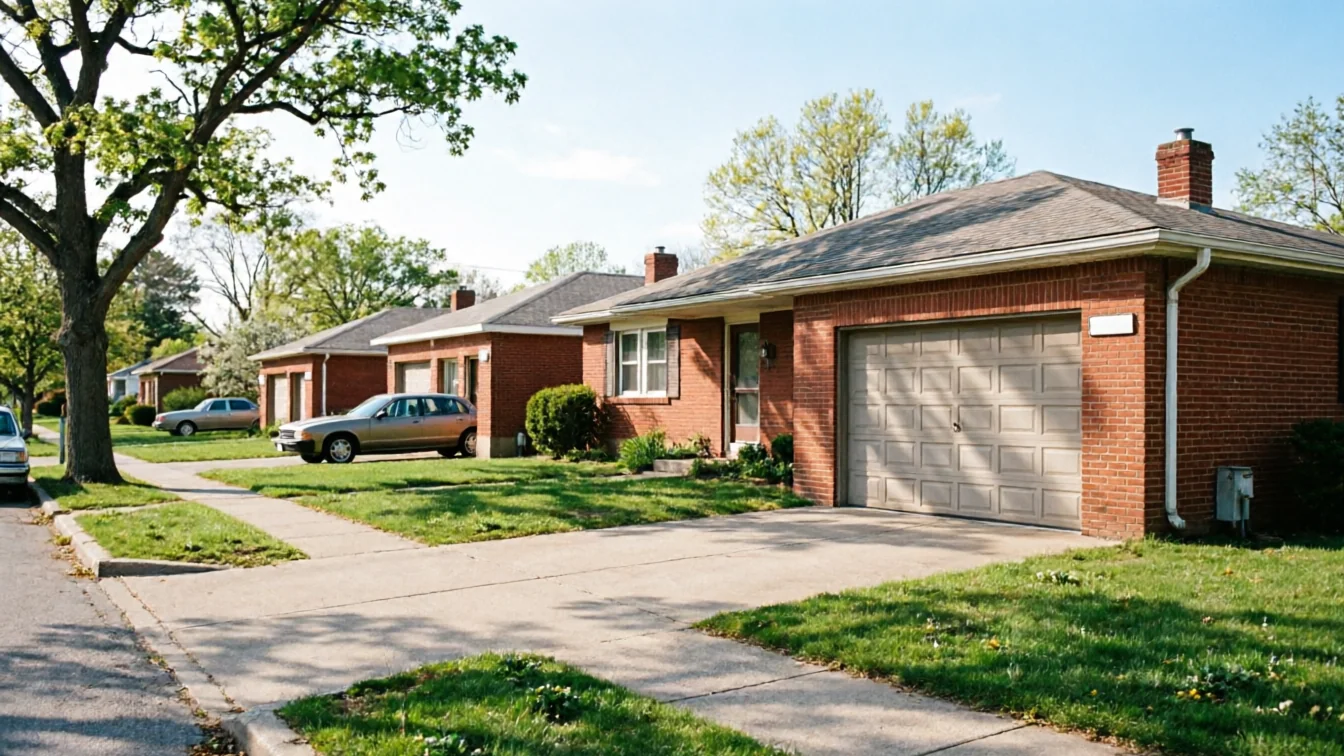
We run out of Plymouth, about 4 miles from Wayzata, so there's no separate dispatch or local branch to coordinate - just a short drive for the crew. Tell us the opener brand if you know it (a sticker inside the motor housing usually has it) and roughly how old the house is; for a neighborhood where most garages date to the mid-1980s, that's usually enough for us to bring the right rail and mounting hardware on the first trip instead of a guess-and-return.
Pricing
We don't have a flat number to post here that would actually reflect Wayzata job costs - it depends on the opener you pick, whether the header needs reinforcement, and whether the old wiring gets reused or replaced. What we can tell you is that household incomes in this service area run well above the regional median, and that shows up in the installs we do here: more owners choosing belt-drive units with battery backup over the base chain-drive option, since the cost difference matters less when you're already budgeting for a full home upgrade. We'll give you a firm number on site, not a range over the phone.
Questions
If your house dates to the mid-1980s like most of Wayzata, the opener is likely original or close to it. At that age, internal gears and drive components are usually worn past a simple part swap, and replacement parts for units that old aren't made anymore. Replacement is almost always the better math once a unit hits that age.
Usually yes, but we check the door's weight and spring balance first. A door built for a lighter 1980s-era opener sometimes needs the opener's force settings adjusted, and in some cases the header framing needs a reinforcement bracket before we mount a heavier-duty unit.
No - we run out of Plymouth, about 4 miles away, and travel to Wayzata for every job. There's no separate local branch, just a short drive for the install crew.
It can. In a severe cold climate like this one, an unheated garage puts extra strain on chain and belt materials that aren't rated for low temperatures. We account for that when recommending a unit rather than installing whatever's cheapest.
Explore more
Ready when you are
Plymouth Garage Door Pros repairs and installs garage doors, springs and openers in Plymouth, MN and the surrounding area.