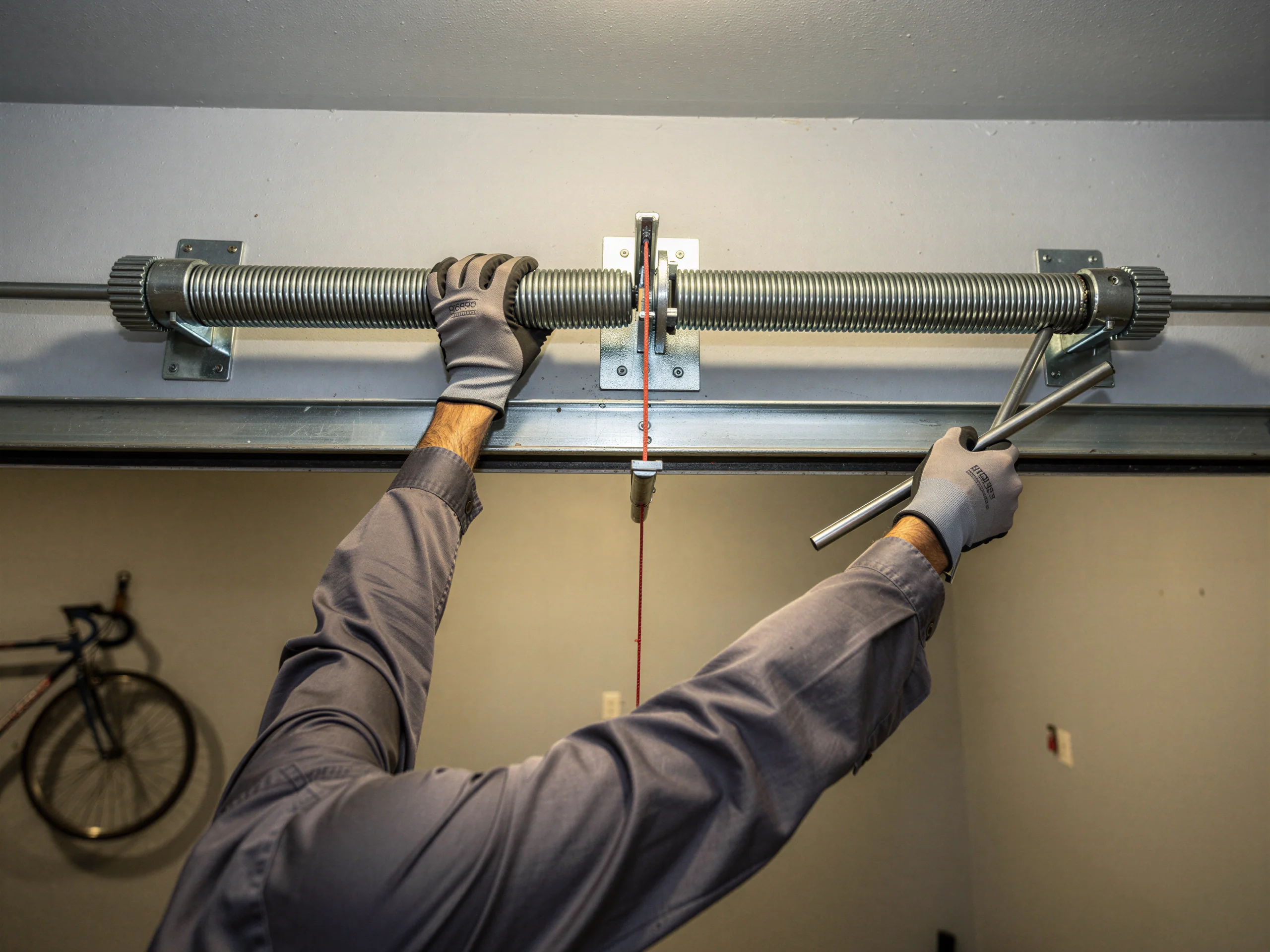
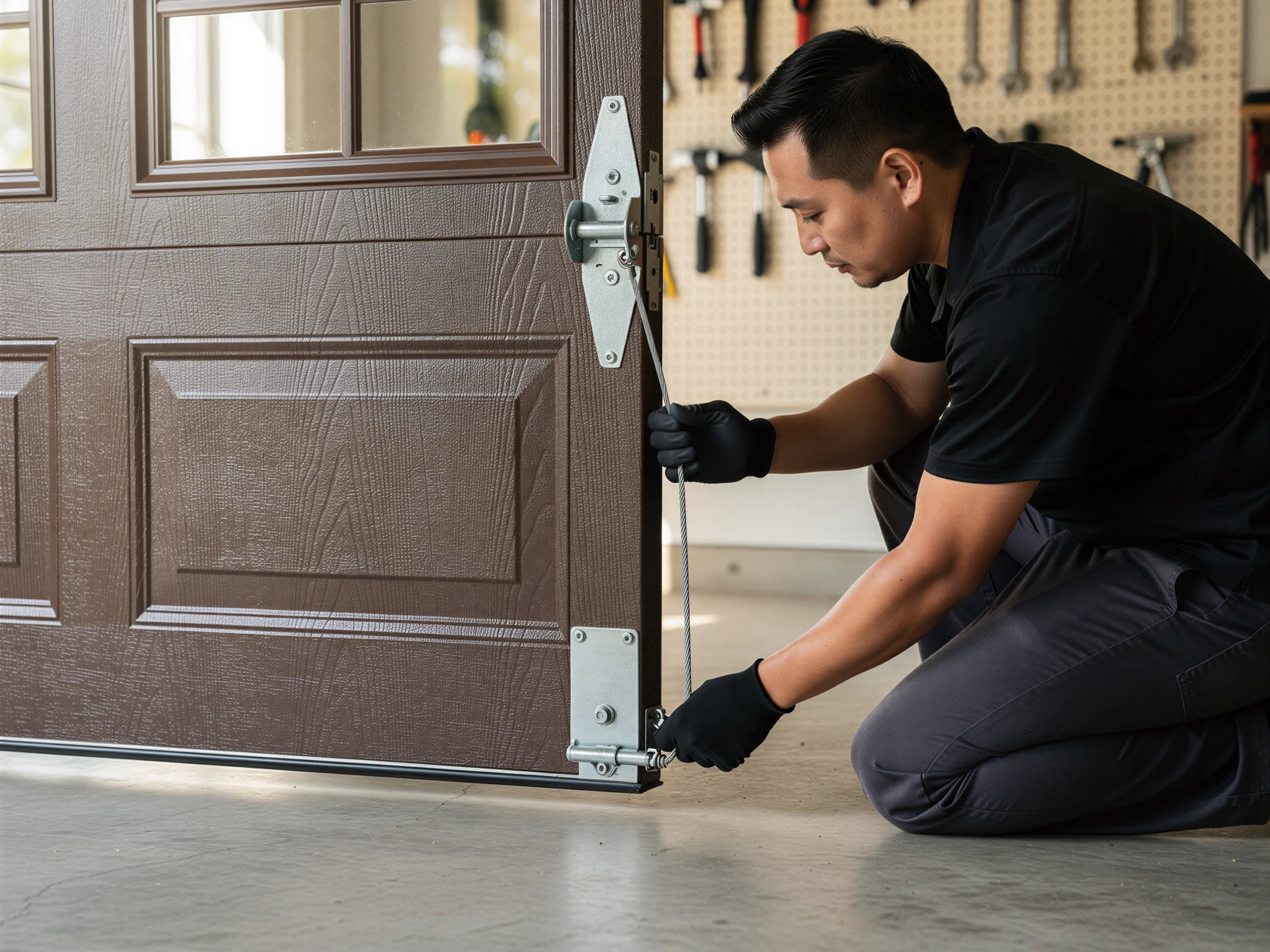
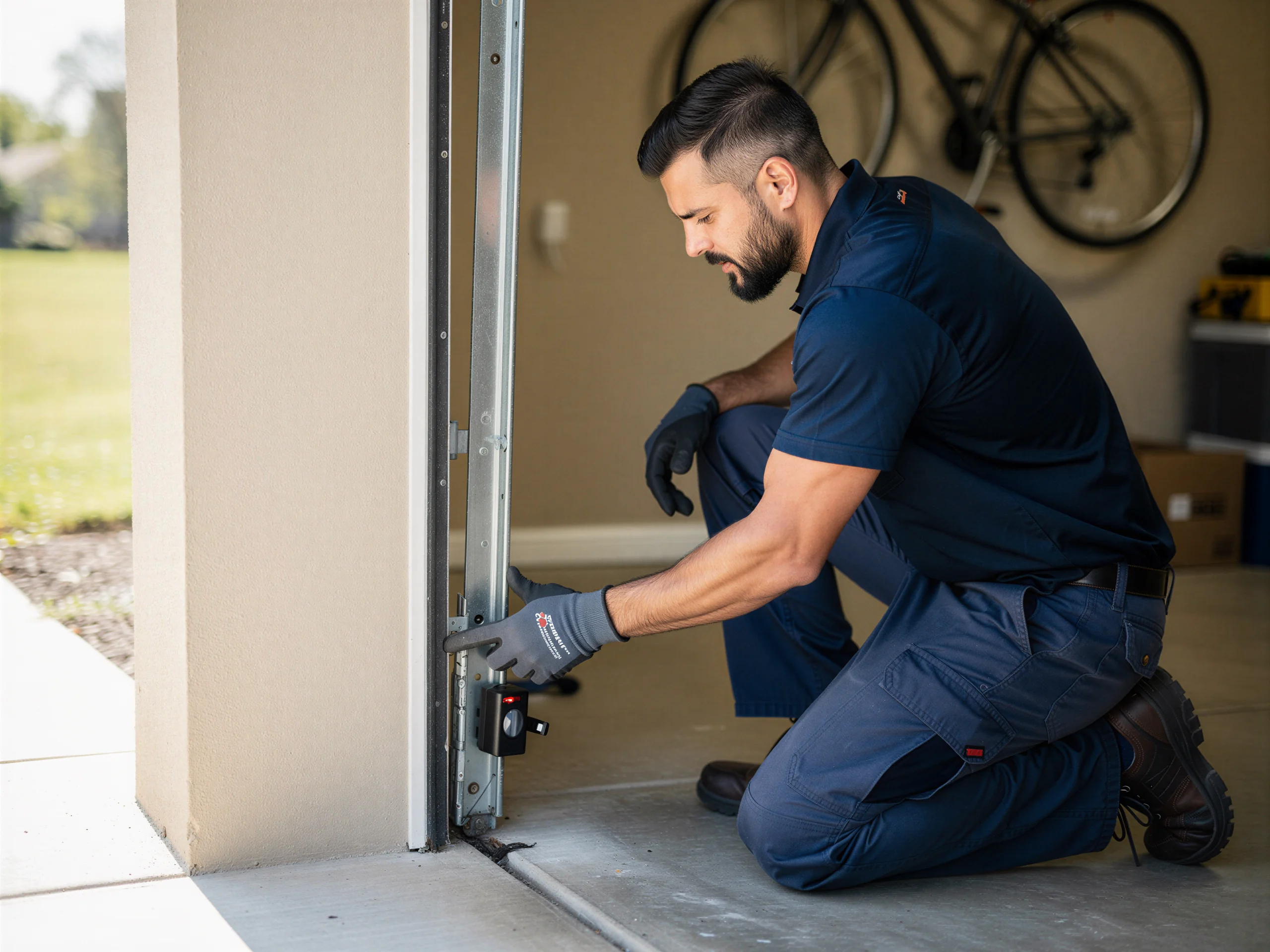
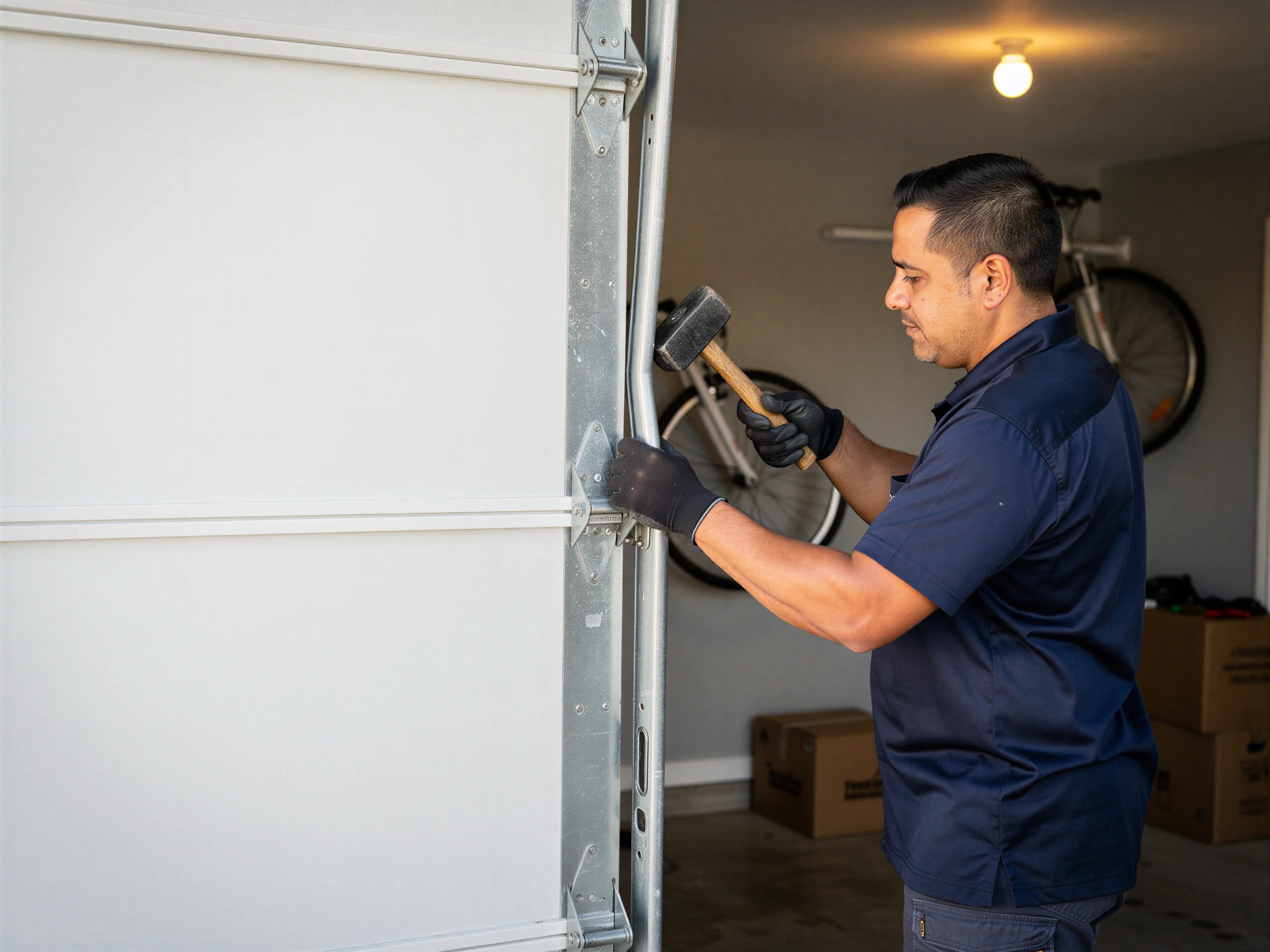
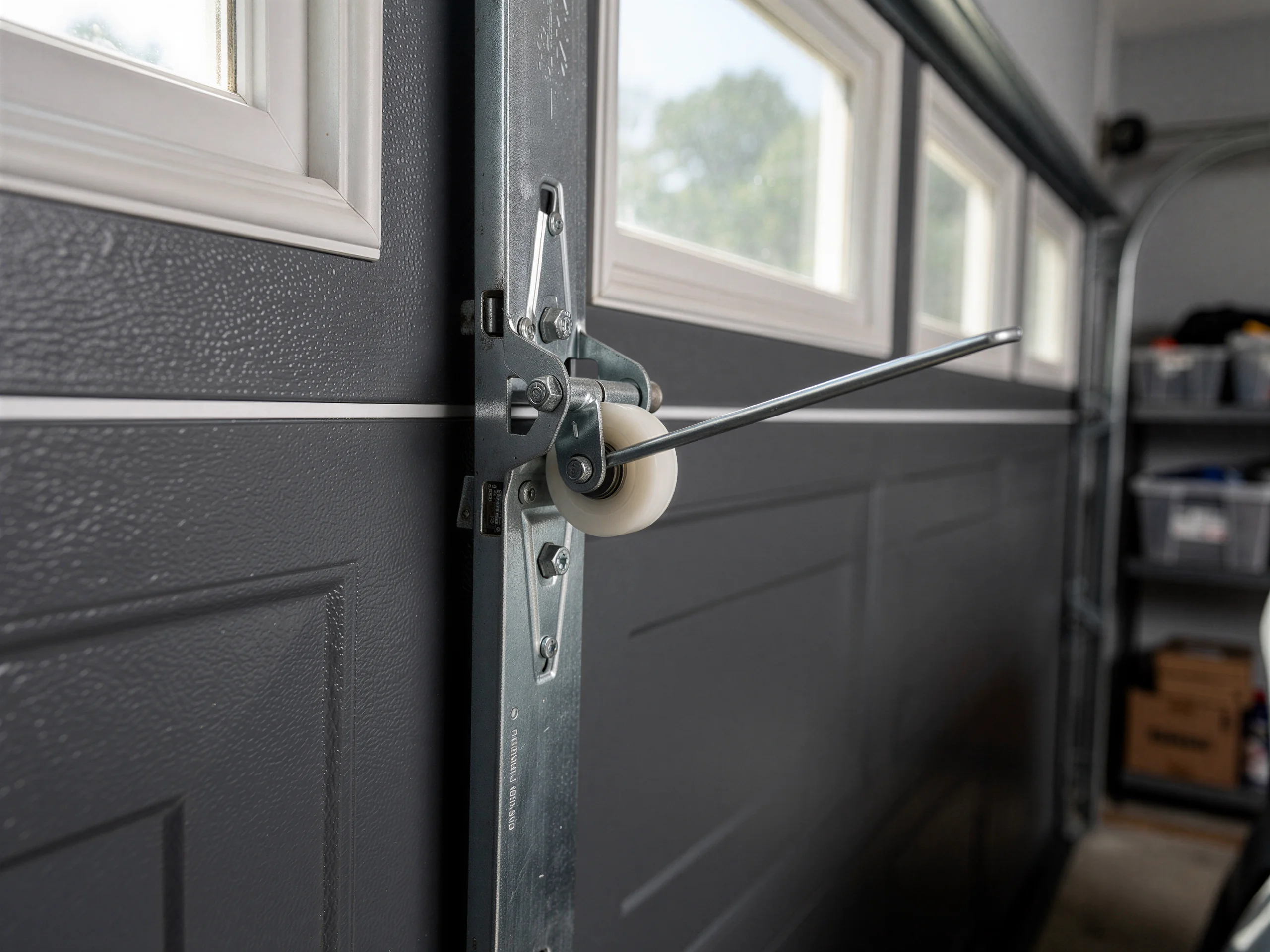
The most common way a spring job turns into a bigger bill: the cable that runs alongside the spring has frayed from riding over a worn roller or a slightly bent track, and nobody noticed until the spring let go and the cable went slack too. On the wider doors common in houses built around 1999, that cable is carrying more door weight than it would on an older single-car setup, so wear there shows up sooner than people expect for a house this age.
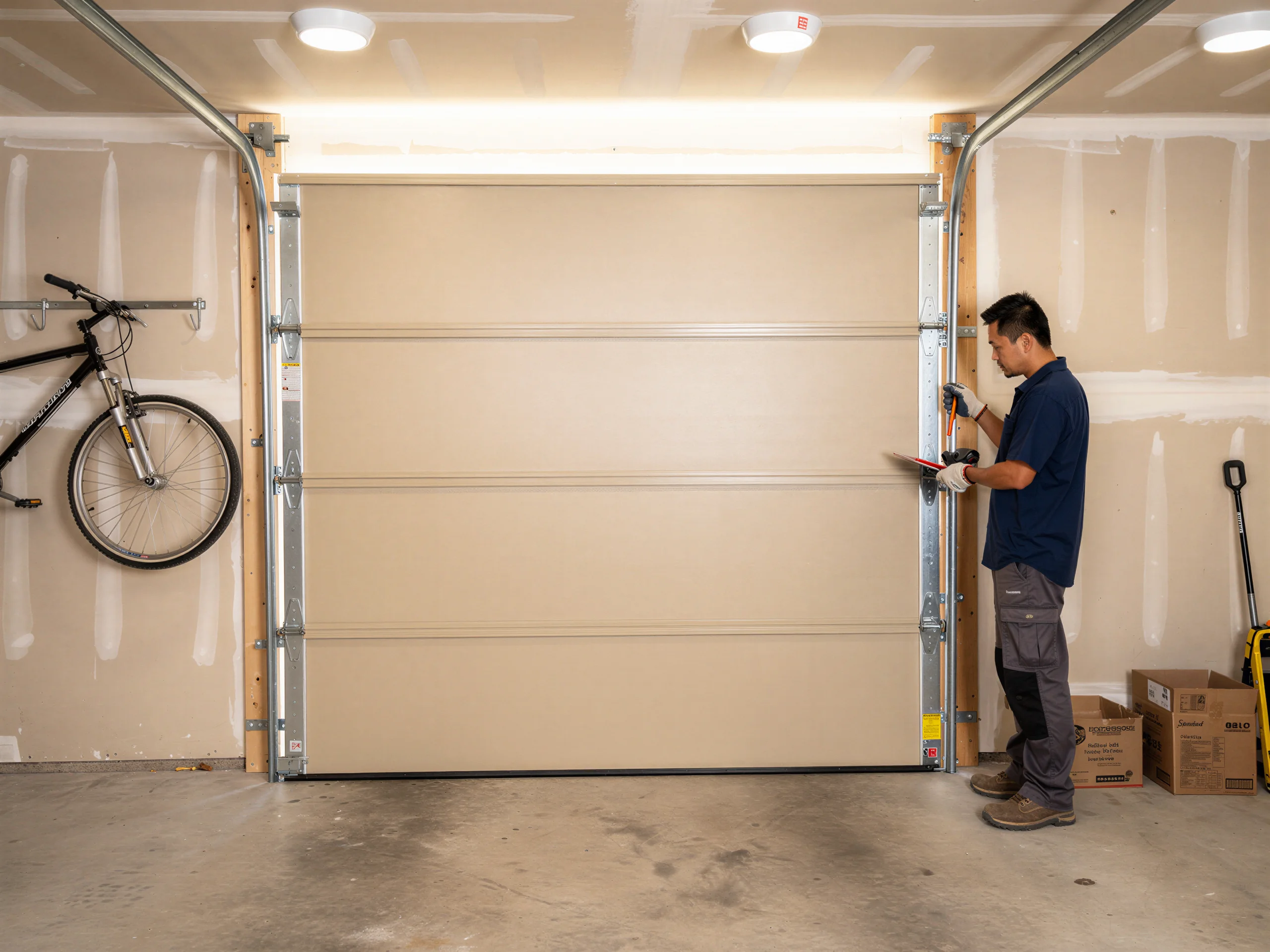
Another place it goes sideways: mismatched springs. If only one spring on a double-spring door gets replaced and the other is left in place, the door runs unevenly almost immediately, because a spring loses wind strength as it ages even before it breaks outright. We replace both sides together on a double-spring door, not because it's upsell, but because a single new spring paired with an old one just moves the imbalance instead of fixing it.
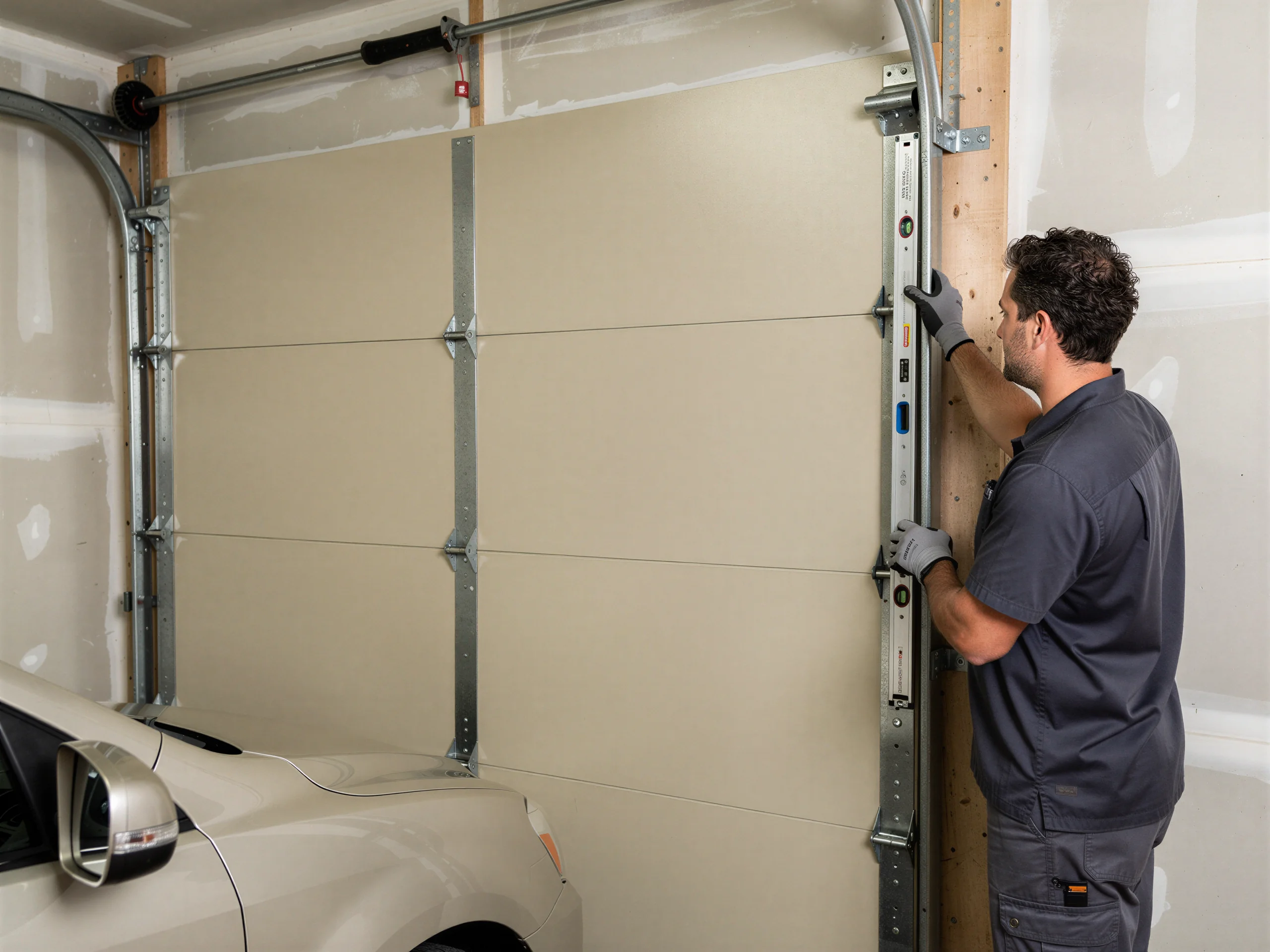
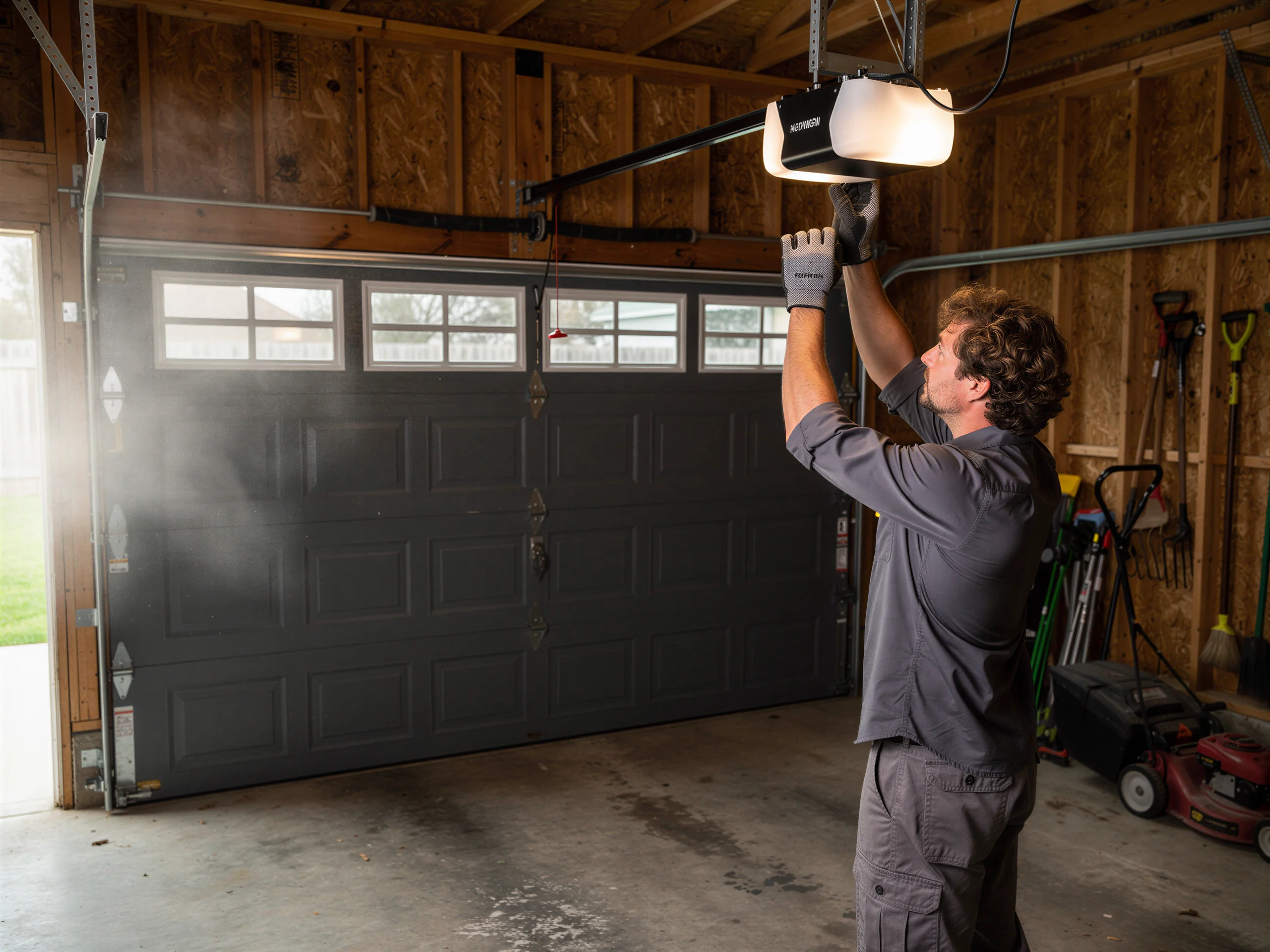
Last one: a door that's been fought with an opener for weeks while sagging on a bad spring often needs the opener's travel limits and force settings reset after the spring's fixed, or it'll slam down or stall on the first few cycles. That's a five-minute adjustment, but skipping it is how a finished spring job still looks broken the next morning.